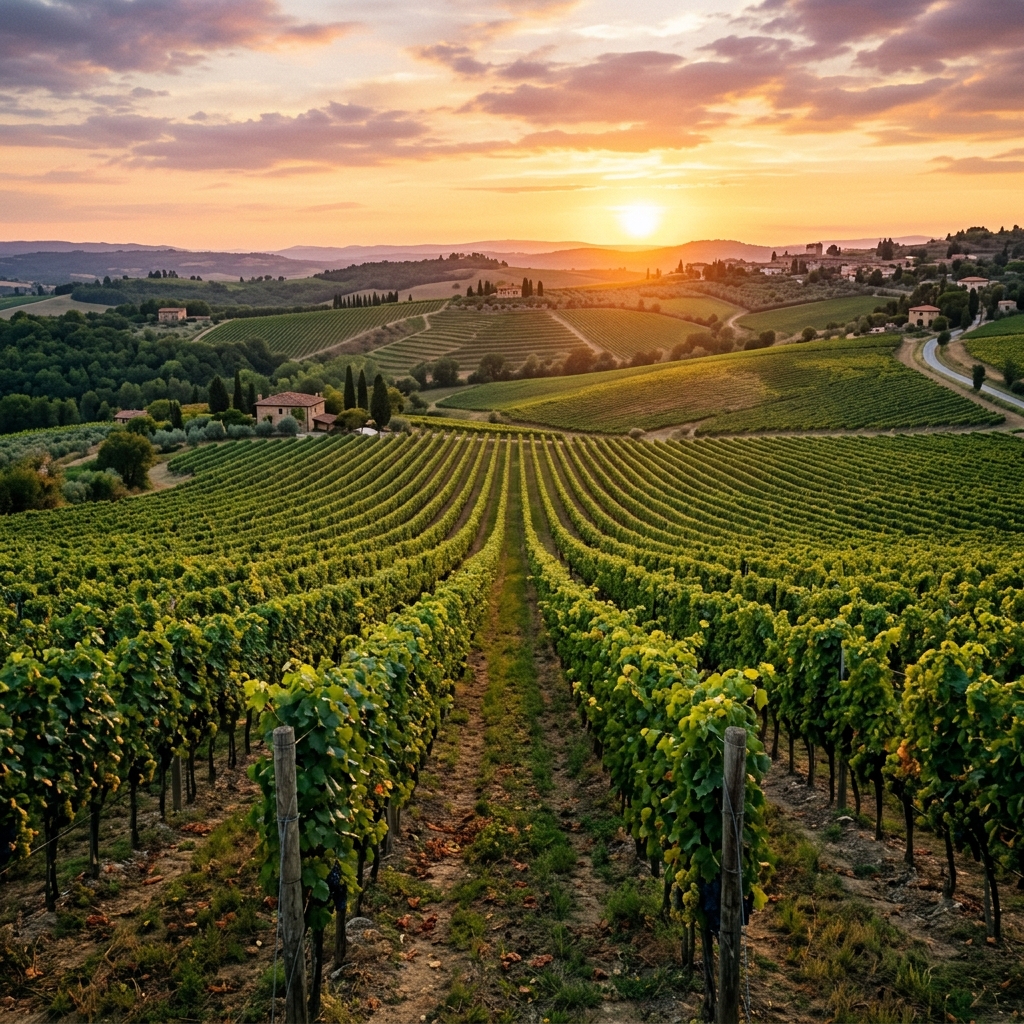
Acidity is the structural element that stimulates salivation, lending wine its crisp freshness, palate energy, and cellaring longevity.
| Physical Sensation | Stimulates immediate, mouthwatering salivation on the sides of the tongue |
|---|---|
| Primary Role | Provides freshness, slices through dietary fats, balances residual sweetness |
| High Acidity Varieties | Sauvignon Blanc, Riesling, Chenin Blanc, Sangiovese, Barbera |
| Climatic Law | The cooler the growing region, the higher the natural acidity |
Acidity is the component that makes your mouth water.
It is frequently the most underappreciated structural element among beginners, yet professional sommeliers prize acidity above almost all else. Acidity is what keeps wine lively, food-friendly, and age-worthy.
What Acidity Accomplishes in Wine:
- Vitality: It gives wine energy, tension, and drinkability. Without acidity, wine feels heavy, alcoholic, and cloying.
- Cuts Dietary Fat: Acid acts like a culinary squeeze of lemon over grilled fish or rich pasta, cutting through palate-coating fats.
- Balances Sweetness: High residual sugar without high acidity results in cloying syrup. Elite sweet wines (like Mosel Riesling or Sauternes) possess razor-sharp acid that balances sweetness into pure elegance.
- Longevity: Low-pH, high-acid wines resist bacterial spoilage and age gracefully for decades.
High-acid champions: Riesling, Sauvignon Blanc, Sangiovese, Champagne, Albariño.
Lower-acid varieties: Viognier, Gewürztraminer, Zinfandel, warm-climate Grenache.
The Climatic Law: The cooler the viticultural region, the higher the retained natural acidity in the grapes. In excessive summer heat, vines metabolize natural malic and tartaric acids to fuel respiration.
Frequently Asked Questions
How can you tell high acidity from high tannins?
Focus on mouth moisture. High acidity causes salivary glands to gush along the edges of the tongue, creating a mouthwatering sensation. High tannins cause moisture to vanish, leaving gums and cheeks feeling powdery and tight. Both can exist harmoniously in the same glass (e.g., in high-acid, high-tannin Barolo).
Related Guides
Last updated: August 18, 2026