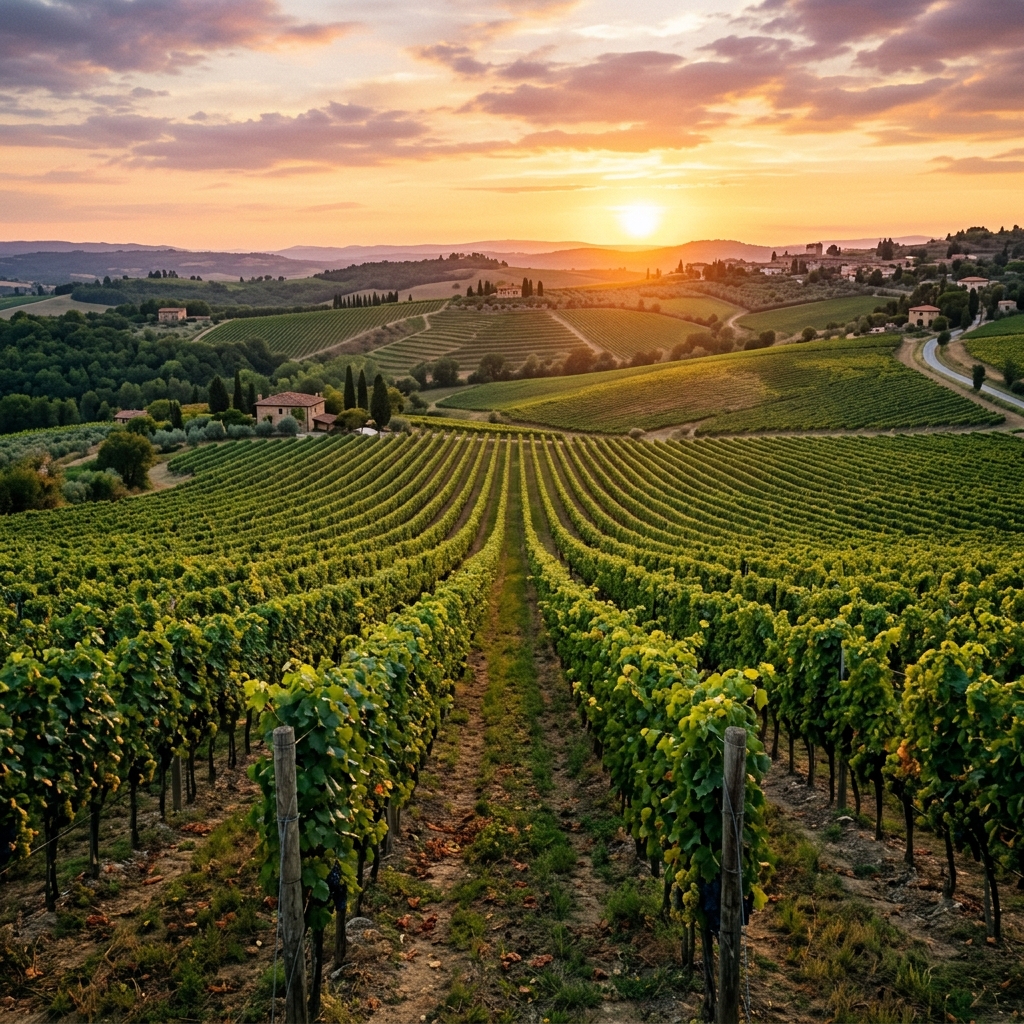
Grenache (known as Garnacha in Spain and Cannonau in Sardinia) is a luscious, full-bodied red grape variety celebrated for juicy red fruit flavors (candied strawberry, raspberry jam, red cherry), cracked white pepper, and wild herbs (garrigue). It forms the beating heart of Southern Rhône legends (Châteauneuf-du-Pape, GSM blends) and premier dry Provence rosés.
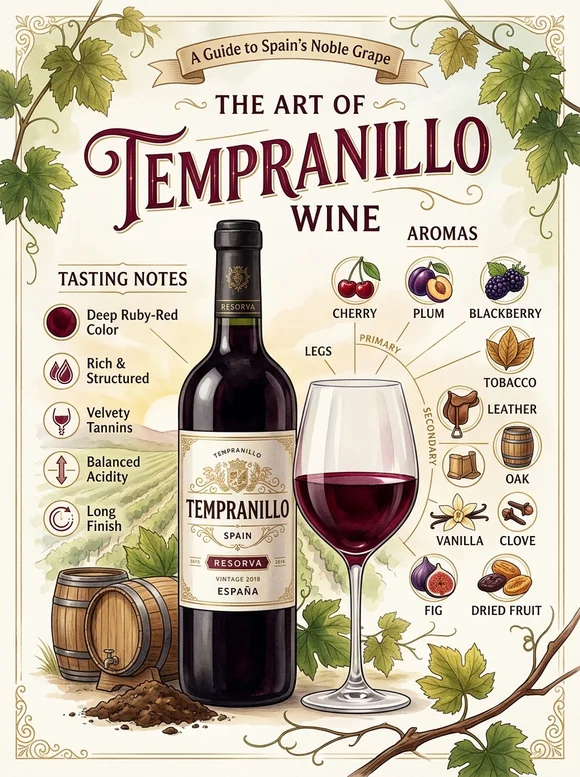
Taste Profile & Sensory Structure
Rating on 1–5 scaleKey Aromas & Flavor Descriptors
| Wine Style | Red Wine |
|---|---|
| Origin / Homeland | Aragon, Spain & Southern Rhône Valley, France |
| Other Names | Garnacha, Grenache Noir, Cannonau |
| Natural Alcohol | Frequently 14.5–15.5% ABV — accumulates prodigious sugar under blazing Mediterranean sun |
| The Master of Blends | Cornerstone of the world-famous GSM trio (Grenache + Syrah + Mourvèdre) and Châteauneuf-du-Pape |
| Rosé Supremacy | Primary grape variety in Provence and Tavel, delivering silky texture and vibrant red berry freshness |
| Serving Temperature | 15–17 °C (59–63 °F) for reds; 8–10 °C for crisp rosés |
Grenache is the warm, beating heart of Mediterranean viticulture. Generous, seductive, and full of sun-drenched charm, it welcomes the palate with ripe wild strawberry, sweet raspberry compote, white pepper spice, and dried herbal garrigue, backed by luxurious, velvety tannins.
Explore Grenache in Depth
Master Grenache through our four specialized Academy guides: sensory analysis, Mediterranean terroirs, hearty culinary pairings, and buyer selections.
Frequently Asked Questions
Why is Grenache naturally high in alcohol?
Grenache has an insatiable appetite for warm Mediterranean sunshine and late ripening, accumulating very high grape sugar concentrations before harvest. During fermentation, this sugar converts into generous alcohol (often 14.5%–15.5%). Yet, because its tannins are soft and acidity is gentle, the alcohol integrates harmoniously without tasting harsh or abrasive.
Are Grenache and Garnacha the exact same grape?
Yes. Garnacha is the Spanish name and its historical birthplace (specifically the Crown of Aragon). In France, it took the name Grenache, while in Sardinia it is revered under the ancient name Cannonau. Spanish Garnacha thrives in Priorat and Calatayud; French Grenache rules the southern Rhône and Provence.
What is the classic GSM blend?
GSM stands for Grenache, Syrah, and Mourvèdre — the holy trinity of the Southern Rhône and Australia's Barossa Valley. Grenache provides luscious red berry fruit, roundness, and warming alcohol; Syrah adds deep color, dark blackberry, and cracked black pepper; Mourvèdre contributes muscular structure, savory game, and firm age-worthy tannins.
Related Guides
- How to Recognize Grenache in the GlassStrawberry jam, white pepper, soft tannins, and blind tasting keys
- Where Grenache GrowsChâteauneuf-du-Pape, Priorat, Barossa Valley, and Sardinia
- Food Pairing with GrenacheBraised meats, Moroccan stews, roast lamb, and grilled sausages
- What to Buy (Grenache)Old-vine Garnacha, Côtes du Rhône benchmarks, and top estates
- Rhône ValleyThe sun-baked amphitheater of Châteauneuf-du-Pape and Gigondas
Last updated: September 19, 2026