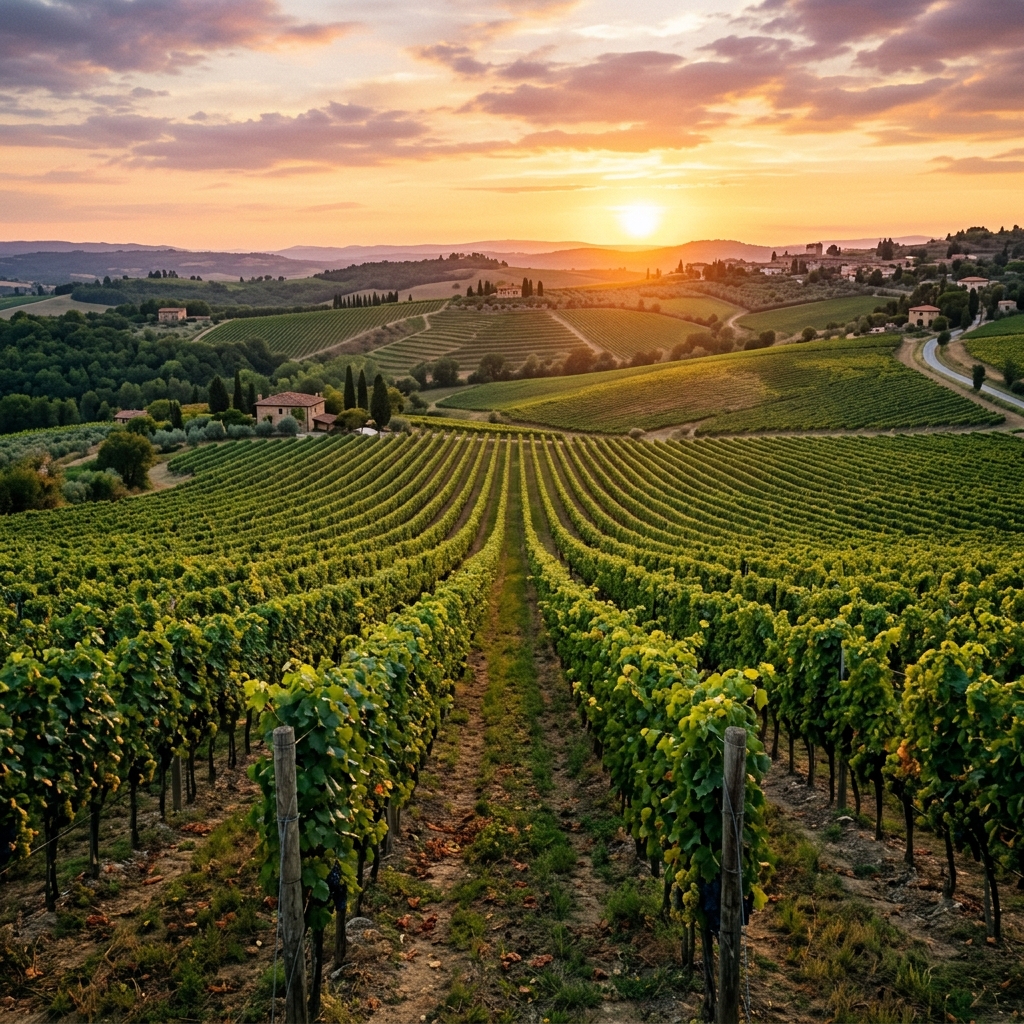
The fundamental law of the wine shelf: Old World wines (France, Italy, Spain) emphasize geographic origin and terroir on the front label, while New World wines (USA, Chile, Australia) emphasize the grape variety.
| Core Rule | Old World indicates origin (terroir); New World indicates grape variety |
|---|---|
| France | AOC/AOP denotes protected origin; Grand Cru indicates elite vineyard or château |
| Italy | DOCG is the highest state-guaranteed tier; Riserva mandates oak aging |
| Spain | Crianza (2 yrs), Reserva (3 yrs), Gran Reserva (5 yrs total aging) |
| Germany | Trocken (dry), VDP (eagle seal of elite estates), Prädikat ripeness hierarchy |
A wine label is not marketing fiction — it is a legal document. Understanding its structure grants you immediate insight into the style, pedigree, and aging potential of a bottle before pulling the cork.
Place vs. Variety
🏛️ Old World (France, Italy, Spain, Germany) declares PLACE. Terroir takes precedence; the variety is dictated by appellation law.
🌎 New World (USA, Chile, Argentina, Australia, NZ) highlights GRAPE VARIETY on the front label for straightforward consumer choice.
France (AOC / Cru)
• AOC / AOP: Highest tier with strict boundaries, authorized grapes, and yield ceilings.
• IGP: Regional wines offering winemakers stylistic freedom.
• Vin de France: Table wines without specific geographic designation.
Scale Rule: The smaller the geographic name, the higher the prestige (Bordeaux → Margaux → Grand Cru).
Italy (DOCG & Riserva)
• DOCG: Premier league with numbered pink state neckband seal (~77 zones).
• DOC / IGT: Protected zones and the historical cradle of iconic Super Tuscans.
• Riserva: Mandated minimum oak aging (legal standard). Classico denotes the historical core territory.
Spain (Aging Classifications)
• Joven: Fresh, youthful wine without oak contact.
• Crianza: Minimum 2 years total aging (6+ months in oak).
• Reserva: Minimum 3 years aging (12+ months in oak) — harmony of red fruit and vanilla.
• Gran Reserva: Minimum 5 years total aging. DOCa (Rioja, Priorat) marks the top tier.
Germany (VDP & Prädikat)
• Trocken: Bone-dry • Feinherb: Off-dry with vivid acidity.
• Prädikat Scale: Ripeness at harvest: Kabinett → Spätlese → Auslese → Eiswein.
• VDP Eagle: Association seal; peak dry wines bear GG (Grosses Gewächs).
Sommelier Shelf Checklist
📍 1. Specific Origin: Seek village/vineyard names rather than broad country-level plonk.
📅 2. Vintage: Buy crisp whites/rosés within 1–2 years; reds with appropriate cellar age.
⚖️ 3. Alcohol (ABV): 11.5–12.5% = crisp elegance; 14.5%+ = weight and warmth.
🏰 4. Estate Bottling: Look for Mis en bouteille au château / domaine.
Frequently Asked Questions
Why don't French wine labels state the grape variety?
Because Old World viticultural tradition considers terroir and microclimate paramount. Under French appellation law, the allowed grape varieties are legally fixed: Chablis is always 100% Chardonnay, Sancerre is always Sauvignon Blanc, and Chianti Classico is built around Sangiovese. Mastering ten key appellation names allows you to navigate European wine shelves with ease.
Does an elite category like DOCG or AOC guarantee the wine tastes incredible?
The category guarantees strict adherence to legal standards: authorized grapes, demarcated vineyard borders, maximum yields, and minimum cellar aging. It does not, however, guarantee individual winemaker artistry. Renowned IGT 'Super Tuscans' often surpass generic DOCG wines. Quality tiers narrow your risk, but producer reputation remains the ultimate guide.
What is the difference between Reserva, Riserva, and Réserve?
These terms carry binding legal requirements only in Spain (Reserva: minimum 3 years aging, 12+ months in oak) and Italy (Riserva). In France and the New World, terms like Reserve or Vintner's Reserve have no legal definition and frequently serve as unverified marketing flourishes.
How do you confirm wine was bottled directly at the winery?
Look for French phrases like 'Mis en bouteille au château' or 'Mis en bouteille au domaine' (in Italian: Imbottigliato all'origine; in the New World: Estate Bottled). This certifies the wine was grown, harvested, vinified, and bottled on the estate, rather than purchased in bulk from commercial brokers.
Related Guides
Last updated: September 11, 2026