Essential tasting terms include body, tannins, acidity, finish, balance, terroir, and minerality — all describing precise, reproducible sensory and viticultural realities.
| Terroir | The holistic combination of soil, climate, topography, and human tradition |
|---|---|
| Finish | The duration in seconds flavors and structural balance remain on the palate |
| Balance | The state where neither alcohol, tannins, acidity, nor oak overpowers the harmony |
| Closed Wine | A wine whose aromas are temporarily suppressed; rectified by aeration and decanting |
Sommelier terminology can feel like an exclusive club, but behind the jargon lie straightforward physical sensations. Below is our definitive lexicon translated into clear sommelier English.
Structural Descriptors
- Body: The perceived weight, density, and thickness of wine on the palate, from skim milk (light) to heavy cream (full).
- Tannins: Phenolic astringency extracted from grape skins and oak casks that creates a drying grip on your gums and teeth.
- Acidity: The mouthwatering crispness that brings freshness and energy to every sip.
- Finish (Length): The duration (in seconds) the harmonious flavors linger after swallowing. Great wines sustain complexity for 15 to 30+ seconds.
- Balance: The harmonious equilibrium where fruit, alcohol warmth, tannin grip, and acidity act as an integrated whole.
Aromatic & Terroir Descriptors
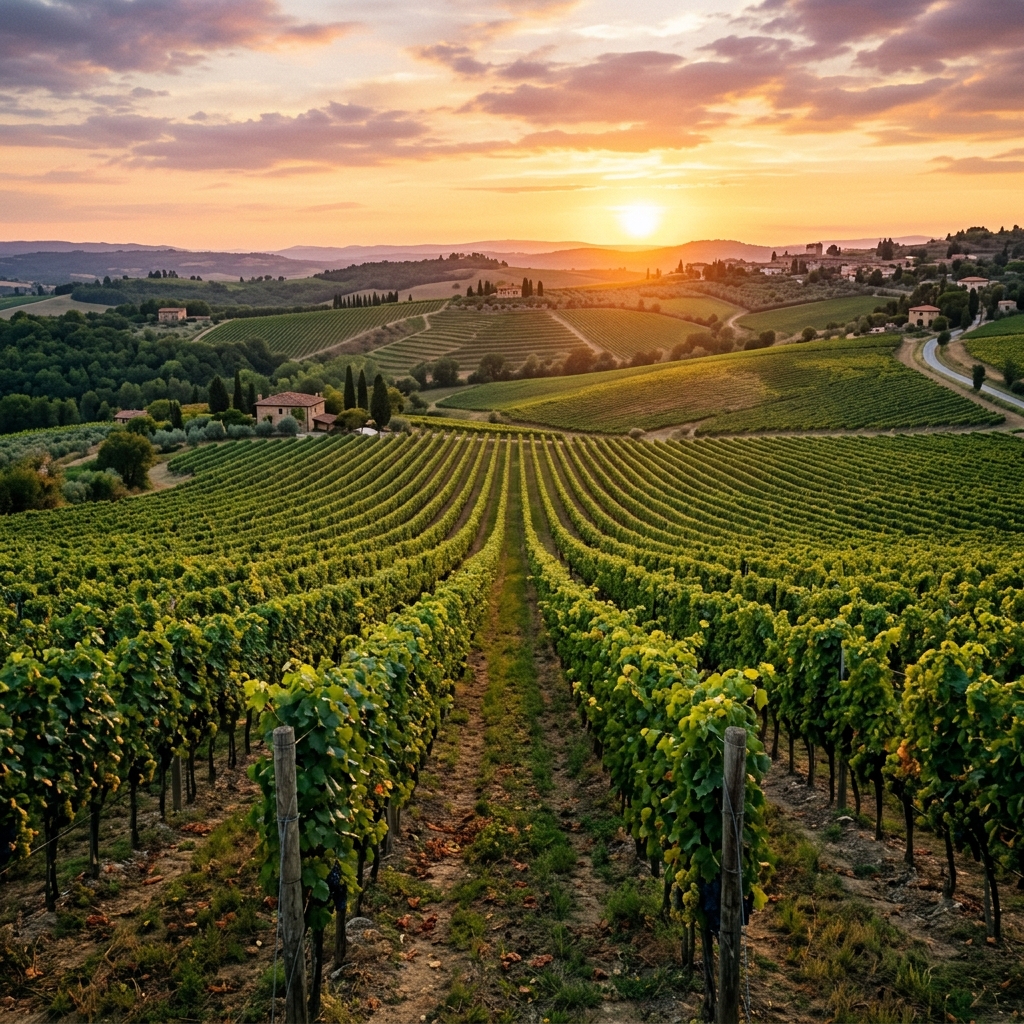
- Terroir: The complete natural viticultural environment: macroclimate, daily diurnal temperature swings, soil geology, altitude, slope aspect, and generational viticultural customs.
- Minerality: Saline, crushed wet stone, chalky, or flinty notes characteristic of cool, mineral-rich soils like Chablis or Sancerre.
- Pyrazines: Chemical compounds producing green bell pepper, jalapeño, and fresh grassy aromatics, classic in Cabernet Franc and Sauvignon Blanc.
- Oxidative vs. Reductive: Oxidative styles welcome controlled exposure to air (nutty, dried fruit, caramel); reductive styles strictly shield wine from oxygen (matchstick, flint, crisp freshness).
- Closed / Tight: A young or transitioning wine whose aromas are currently muted, requiring vigorous swirling, time in a decanter, or further bottle age to bloom.
- Flabby: A wine with critically deficient acidity that feels heavy, dull, and sickly on the palate.
Frequently Asked Questions
What does 'minerality' mean in wine tasting?
Minerality is a sensory descriptor used for nuances of wet crushed stone, flint, chalk, sea salt, or pencil lead. While science shows vines do not directly absorb mineral flavors from rocks into grapes, the sensory sensation is consistently experienced in wines from limestone, slate, and volcanic soils (e.g., Chablis, Mosel Riesling, Etna Rosso).
What makes a wine 'balanced'?
A wine is balanced when no single structural component sticks out awkwardly. The alcohol does not burn the throat, acidity does not sear the tongue, tannins do not dry the mouth into sandpaper, and oak does not bury the fruit. Balance is the premier criterion of winemaking craftsmanship.
Why is a wine described as 'closed'?
A wine is deemed 'closed' or 'dumb' when its aromatic expression is tight and unforthcoming despite pristine storage. This frequently occurs during intermediate stages of bottle development. Aeration, wide-bowl glassware, and proper serving temperature help open the bouquet.
Related Guides
Last updated: August 2, 2026