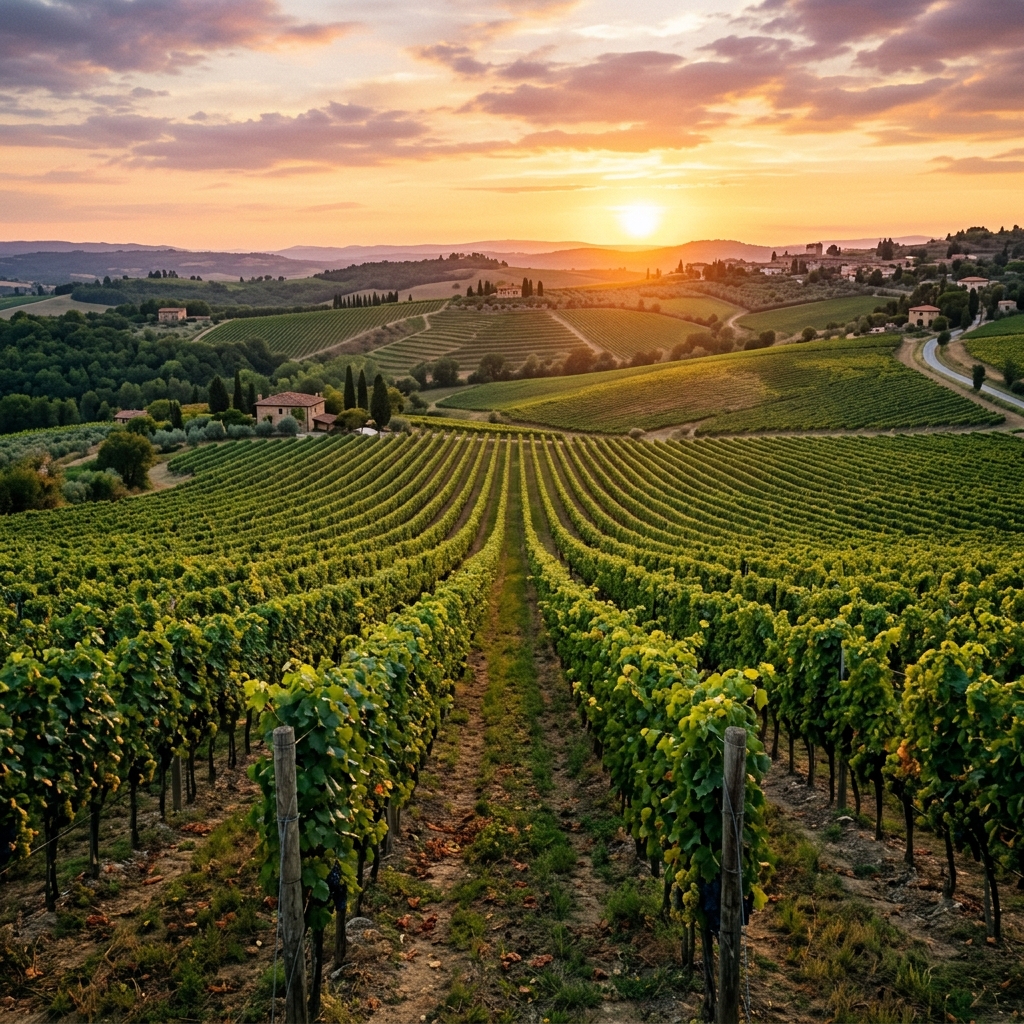
Albariño (Alvarinho in Portugal) is a high-acid, aromatic white grape variety grown along the mist-shrouded Atlantic coastline of Rías Baixas in Galicia, Spain. Famous for aromas of lemon zest, green apple, white peach, jasmine, and a trademark saline sea-spray minerality, it is world-renowned as the ultimate companion to fresh seafood.
Taste Profile & Sensory Structure
Rating on 1–5 scaleKey Aromas & Flavor Descriptors
| Wine Style | White Wine |
|---|---|
| Origin / Homeland | Rías Baixas, Galicia, Spain & Vinho Verde, Portugal |
| Other Names | Albariño, Alvarinho, Galego Dourado |
| Terroir Homeland | Rías Baixas in Galicia — coastal estuaries (rías) lashed by Atlantic rain, maritime fog, and granite soils |
| Thick Grape Skin | High phenolic concentration and thick skins naturally protect against relentless Atlantic fungal mildew |
| Serving Temperature | 8–10 °C (46–50 °F) to preserve its maritime snap and citrus brightness |
| Portuguese Benchmark | Known as Alvarinho in northern Portugal's Monção and Melgaço subregions, crafting elite Vinho Verde |
Albariño is the liquid essence of the Atlantic ocean. Born in the green, mist-shrouded hills of Galicia and northern Portugal, it greets the senses with dazzling notes of lemon peel, green apple, crisp white peach, and an unmistakable saline sea-spray finish that makes it the premier seafood wine in the world.
Explore Albariño in Depth
Master Galicia's Atlantic benchmark through our four comprehensive Academy guides: sensory analysis, coastal granite terroirs, seafood pairings, and cellar selections.
Frequently Asked Questions
Why does Albariño taste salty or saline?
Vineyards in Rías Baixas are planted directly along coastal inlets mere yards from the crashing Atlantic ocean, where persistent maritime sea breezes, fog, and spray deposit ocean minerals onto vine canopies and granitic sandy soils. Whether directly absorbed or derived from granite minerality and malic acid, this saline, lip-smacking sea-spray finish is the grape's iconic signature.
How does Albariño differ from Sauvignon Blanc?
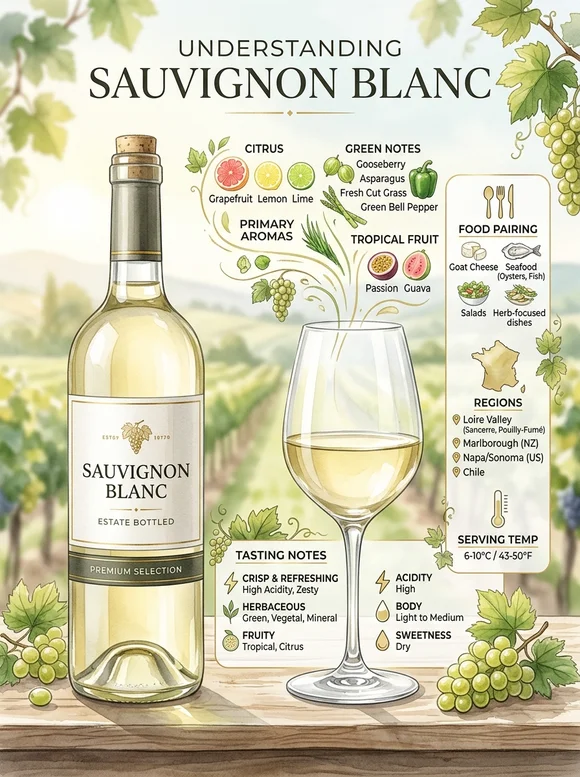
While both are dry, crisp, and high in acidity, Sauvignon Blanc is dominated by pungent pyrazines and tropical thiols (fresh grass, bell pepper, gooseberry, passion fruit). Albariño is more mineral, stone-fruit driven, and coastal: white peach, lemon blossom, and saline wet stone. Sauvignon Blanc hits with intense aromatics; Albariño beguiles with pure oceanic texture and salinity.
Are Albariño and Vinho Verde the same wine?
Not entirely. Vinho Verde is a Portuguese wine region. Albariño (spelled Alvarinho across the border) is a grape variety. While inexpensive Vinho Verde is often a light, spritzy blend of Loureiro and Arinto, single-variety 100% Alvarinho from sub-zones like Monção and Melgaço produces serious, still, full-flavored, and age-worthy white wines identical in nobility to Rías Baixas.
Related Guides
- How to Recognize Albariño in the GlassSaline sea spray, citrus zest, stone fruit, and blind tasting keys
- Where Albariño GrowsRías Baixas subzones (Val do Salnés), Vinho Verde, and California
- Food Pairing with AlbariñoRaw oysters, Galician octopus, mussels, and grilled sea fish
- What to Buy (Albariño)Val do Salnés benchmarks, lees-aged cuvées, and top bodegas
- SpainFrom Atlantic Green Spain to the sun-baked plateaus of Rioja and Ribera
Last updated: September 19, 2026