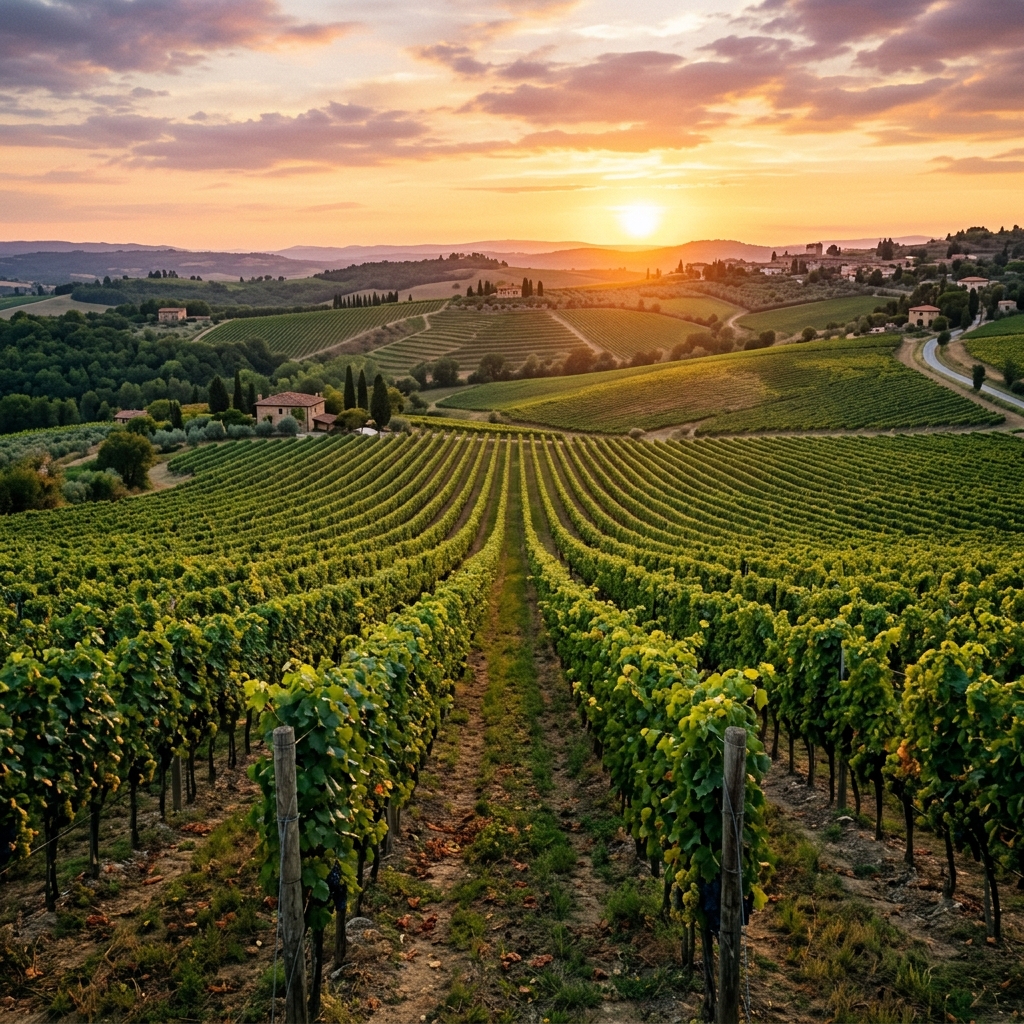
單寧(Tannins)是源自葡萄皮、葡萄籽、果梗以及橡木桶中的天然多酚抗氧化化合物。在口腔中,單寧會與唾液中的蛋白質結合,使口腔黏膜收斂緊繃,產生「澀感」。優質成熟的單寧構成了紅葡萄酒的結構骨架,是支撐葡萄酒在瓶中陳年數十年的防腐基石。
| Term | Tannins (Polyphenolic Biomolecules) |
|---|---|
| Sensory Impact | Astringency, palate dryness, structural grip |
| Primary Sources | Grape skins, seeds, rachis stems, toasted oak |
| High-Tannin Cultivars | Nebbiolo, Cabernet Sauvignon, Tannat, Syrah |
| Low-Tannin Cultivars | Pinot Noir, Gamay, Barbera, Grenache |
| Gastronomic Interaction | Binds with animal proteins and fats to soften grip |
Tannins in Wine
Tannins are water-soluble polyphenolic compounds that play a decisive role in the structure, mouthfeel, and longevity of red wines. Rather than contributing a flavor per se, tannins provide tactile texture and astringency.
Botanical Sources of Wine Tannins
- Grape Skins (Condensed Tannins / Proanthocyanidins): Deliver fine, velvety textures when grapes reach optimal phenolic ripeness under warm sun.
- Grape Seeds: Contain harsher, bitter catechin compounds extracted if berries are excessively crushed.
- Grape Stems & Stalks: Added during whole-cluster fermentation (common in Burgundy and Northern Rhône) to lend herbal freshness and structural spine.
- Oak Barrels (Hydrolyzable Ellagitannins): Leached into wine during maturation in French or American oak, contributing vanilla, spice, and wood tannin structure.
How to Evaluate Tannins in Tasting
When conducting sensory analysis, assess tannins along three dimensions:
- Quantity: Low, medium (-), medium, medium (+), or high.
- Grain & Quality: Silky, fine-grained, velvety, chalky, rustic, or abrasive.
- Maturity: Green and aggressive (underripe harvest) versus ripe, supple, and integrated.
The Chemistry of Food Pairing with Tannins
Tannins chemically bind with salivary proline proteins, stripping the palate’s lubricating layer to create that classic drying sensation. When paired with high-protein and fatty dishes — such as ribeye steak, roasted lamb, or mature hard cheeses — the tannins bind to food proteins instead of your saliva, instantly softening the wine and revealing hidden layers of ripe fruit and spice.