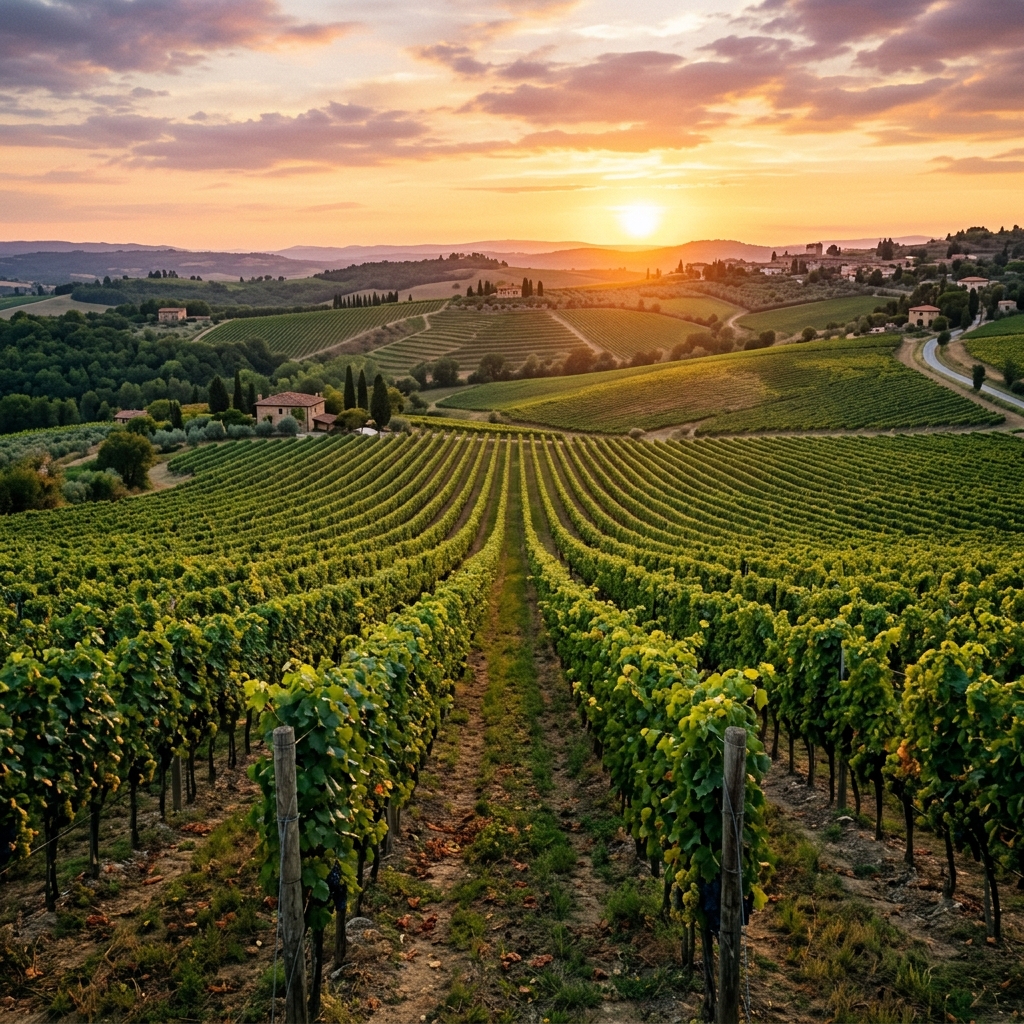
The Pfalz is the 'German Tuscany' and Germany's warmest, sunniest wine region. Serving as the northern continuation of French Alsace, the Pfalz is renowned for its Mediterranean microclimate where figs and almonds flourish, producing Germany's most powerful, full-bodied dry Grosses Gewächs (GG) Rieslings from red sandstone and black basalt soils.
| Country | ✦ Germany |
|---|---|
| Key Grapes | ✦ riesling ✦ pinot-noir ✦ pinot-blanc ✦ pinot-gris ✦ sauvignon-blanc |
| Signature Grape | Riesling — the largest Riesling vineyard area in the world (~6,000 ha) |
| Burgundy Family | Spätburgunder (Pinot Noir), Weissburgunder (Pinot Blanc), Grauburgunder (Pinot Gris) |
| The Three B's | Legendary historic estates of Forst/Deidesheim: Bürklin-Wolf, Bassermann-Jordan, Reichsrat von Buhl |
| Volcanic Basalt | Forster Pechstein — rare black volcanic basalt infusing wines with smoky, gunflint minerality |
| Historic Wine Route | German Wine Route (Deutsche Weinstraße, 1935) — the oldest scenic wine tourism route in the world |
| Ideal Glass | Generous white wine glass or universal sommelier tasting glass (glassware guide) |
The Pfalz is a wine haven and Germany’s second-largest wine region, stretching 85 kilometers along the slopes of the Haardt mountains right up to the border with French Alsace. For generations, this sunny landscape has crafted the world’s most generous, muscular, and culinary-friendly dry Rieslings.
Major Wine Styles of the Pfalz
The Mediterranean-influenced climate enables local estates to excel in both monumental mineral whites and luxurious oak-matured reds:
Riesling GG (Basalt)
Volcanic power: ripe pink grapefruit, passionfruit, smoky gunflint, savory spices, silky oiliness, and monumental 25+ year aging potential.
🌋 Riesling Guide →Weissburgunder
Creamy orchard opulence: juicy Bartlett pear, white peach, toasted flaked almond, subtle oak nuance, and smooth, supple acidity.
🍐 Pinot Blanc & Gris →Spätburgunder GG
Warm and sensual Pinot Noir: ripe raspberry, sun-dried cherry, aromatic pipe tobacco, forest floor underbrush, and velvety seamless tannins.
🍒 Pinot Noir Guide →Sauvignon & Sekt
Explosive aromatic clarity: passionfruit, blackcurrant leaf, vibrant citrus, and vintage traditional-method Winzersekt of supreme pedigree.
🌿 Sauvignon Blanc →Terroir and Soils of Pfalz: Sunshine, Basalt and Buntsandstein Sandstone
Key Wine Communes of the Pfalz and Their Character
From iconic Mittelhaardt grand crus in the north to the limestone hills of the Südliche Weinstraße in the south:
| Commune / Village | Soil Profile | Dominant Style | Legendary Vineyards (Grosse Lage) |
|---|---|---|---|
| Forst an der Weinstraße | Volcanic basalt, limestone, sandstone | Monumental, smoky, mineral Riesling | Kirchenstück, Pechstein, Jesuitengarten, Ungeheuer |
| Deidesheim | Buntsandstein sandstone, loam | Opulent, peach, mango, regal poise | Hohenmorgen, Kalkofen, Langenmorgen, Grainhübel |
| Wachenheim | Sandstone, gravel, loess | Precise, citrus-driven, spicy Riesling | Gerümpel, Böhlig, Rechbächel |
| Siebeldingen & Birkweiler (South) | Limestone (Muschelkalk), slate | Mineral Weissburgunder and Pinot Noir | Kastanienbusch, Sonnenschein, Mandelberg |
Sommelier Food Pairing Guide
Thanks to their generous body and ripe fruit profile, Pfalz wines are exceptionally versatile across diverse cuisines:
Saumagen & Crispy Pork Knuckle
The iconic spiced Pfälzer Saumagen with sauerkraut demands a dense, juicy, high-acid dry Riesling Trocken.
Meat Guide →White Asparagus & Roast Poultry
Seasonal German white asparagus in hollandaise and succulent roast turkey match flawlessly with creamy Weissburgunder.
Pairing Guide →Grilled Seafood & Tuna Tartare
Grilled tiger prawns with lime and yellowfin tuna tartare unlock the tropical facets of Pfalz Sauvignon Blanc and dry Riesling GG.
Fish Guide →Veal Rack & Wild Chanterelles
Tender veal rack with sautéed chanterelles and truffle essence creates a harmonious match for mature, oak-aged Spätburgunder GG.
Meat Guide →Conclude your exploration of the German wine world: discover the steep cliffs of the Mosel, aristocratic Rheingau, or journey to Austria's sunny terraces in Wachau!
Frequently Asked Questions
Why is the Pfalz celebrated as the 'German Tuscany'?
The Haardt mountain range (the northern extension of France's Vosges Mountains) shields the valley from westerly rain and cold winds. Boasting over 2,000 hours of sunshine annually, village streets thrive with outdoor figs, almonds, sweet chestnuts, and citrus trees. This warm sub-Mediterranean climate grants Pfalz wines exceptional physiological ripeness, textural roundness, and rich body without aggressive acidity.
What is the secret behind the vineyards of Forst an der Weinstraße?
The village of Forst represents the absolute pinnacle of German dry Riesling. During the Pliocene epoch, the ancient Pechsteinkopf volcano erupted here. The vineyards of Kirchenstück, Pechstein, and Jesuitengarten are strewn with black basalt boulders, weathered clay, and sandstone, endowing wines with an unmistakable smoky, gunpowder, flint, and citrus character.
Why are Pinot varieties so successful in the Pfalz?
Thanks to an abundance of active limestone soils (Kalkstein) and gentle warmth, white Pinot varieties — Weissburgunder (Pinot Blanc) and Grauburgunder (Pinot Gris) — achieve creamy texture laced with yellow pear, honeydew melon, and toasted hazelnut, while red Spätburgunder (Pinot Noir) rivals fine Côte de Nuits Burgundy.
Related Guides
- RieslingHow the king of white grapes reflects contrasting soil types
- Pinot Gris & Pinot BlancThe contrast between light northern Italian style and opulent German style
- Wine GlassesWhy rich dry Grosses Gewächs wines require a broad bowl
- Wine Academy TestTest your knowledge on Germany's legendary vineyards