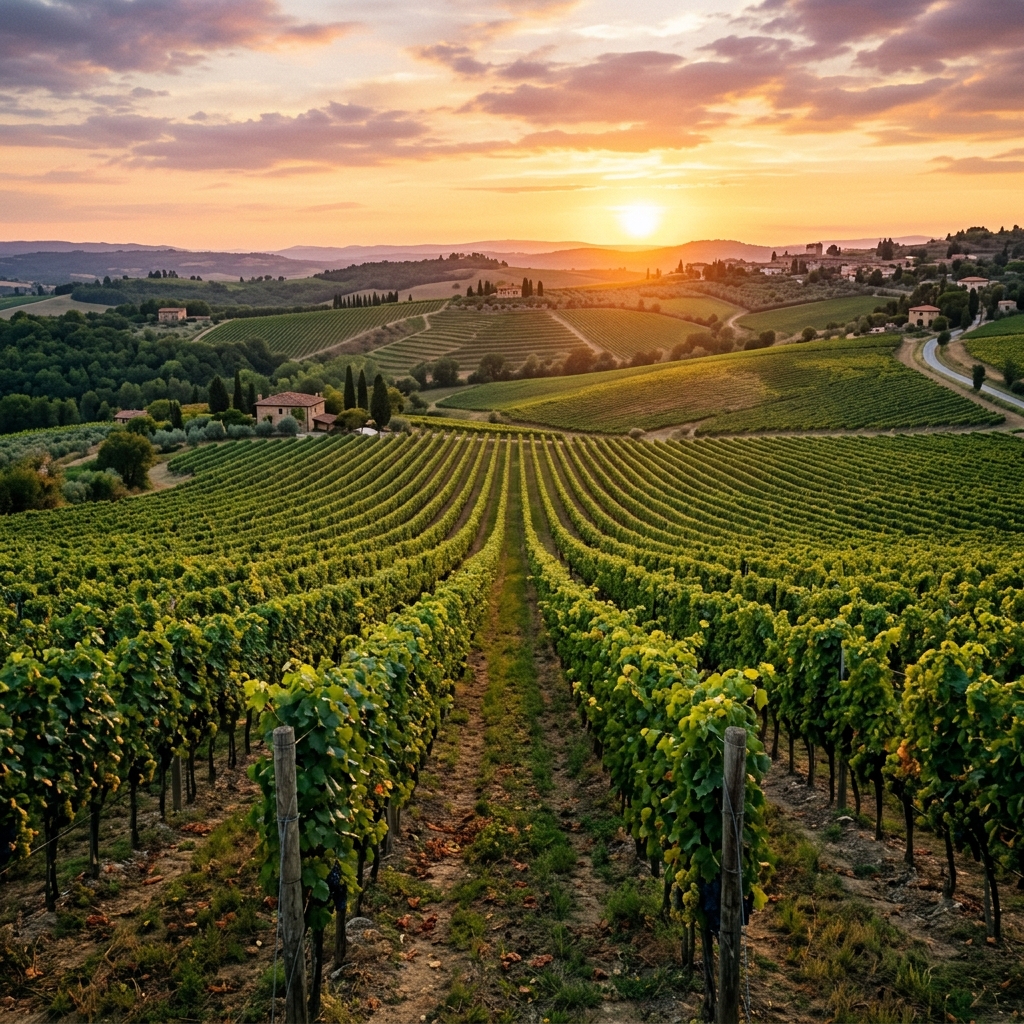
Red meat demands red wine with tannins: animal proteins and fat bind with grape tannins, softening astringency while wine acidity cleanses the palate.
| Recommended Grapes | Cabernet Sauvignon Malbec Syrah / Shiraz |
|---|---|
| Marbled beef (Ribeye) | Cabernet Sauvignon, Left Bank Bordeaux, Malbec |
| Lean tender beef (Filet Mignon) | Merlot, Pinot Noir, lighter Bordeaux |
| Roast lamb & chops | Rioja Reserva, northern Rhône Syrah, Cabernet |
| Wild venison & game | Barolo (Nebbiolo), Syrah, aged Brunello di Montalcino |
| Veal (Delicate white meat) | Oaked Chardonnay, Pinot Noir, or aged Rioja Crianza |
Red meat and red wine is the cornerstone of classical dining. Yet treating all red meat identically is a common mistake: delicate veal, marbled prime ribeye, pasture-fed lamb, and wild venison each demand completely distinct wine structures.
The Chemistry of Meat & Wine
Three primary levers determine the interaction between meat and wine:
- Protein and Tannin Binding: Grape tannins bind with meat proteins, instantly neutralizing astringency and releasing the wine’s fruit and floral aromatics.
- Fat as a Solvent: Liquid animal fats coat the palate, insulating taste receptors. The wine’s acidity and alcohol act as a palate cleanser, cutting through fat to prevent cloying heaviness.
- Cooking Method & Maillard Reaction: High-heat searing and charcoal grilling produce caramelized, smoky crusts that crave oak aging and peppery spice.
Master Meat & Wine Guide
1. Marbled Beef (Ribeye, Striploin, T-Bone)
- Top Picks: Cabernet Sauvignon, Left Bank Bordeaux, Argentine Malbec, Barossa Shiraz.
- Why it works: Generous intramuscular fat calls for bold, assertive tannins and substantial body.
2. Lean Beef (Filet Mignon, Chateaubriand)
- Top Picks: Right Bank Bordeaux (Pomerol, Saint-Émilion Merlot), Oregon Pinot Noir, Barbera d’Alba.
- Why it works: Tenderloin is exceptionally tender but has very little fat. Heavy tannins will dry out the lean meat; choose silky, fruit-forward wines.
3. Lamb & Mutton
- Top Picks: Spanish Rioja Reserva, Northern Rhône Syrah, Greek Xinomavro.
- Why it works: Herbaceous, pasture-fed flavors bond seamlessly with American oak vanilla, tobacco, and black pepper.
4. Wild Game (Venison, Wild Boar)
- Top Picks: Barolo or Barbaresco (Nebbiolo), Châteauneuf-du-Pape, aged Brunello di Montalcino.
- Why it works: Game meat is lean and intensely savory. It demands wines with tertiary complexity: dried rose petals, leather, tar, and forest floor.
Grape Varieties for This Dish
Click on a grape to view its full sensory profile, tannin level, and acidity scale:
The undisputed King of Reds: powerful blackcurrant, pencil graphite, cigar box cedar, and towering architectural tannins.
Andean powerhouse: inky purple depth, dark plum, sweet violet perfume, cocoa, and velvet tannins.
Monumental power and spice: dark blackberry, cracked black pepper, smoked meat, and savory depth.
Frequently Asked Questions
What is the scientific reason red wine pairs with meat?
Grape tannins are plant polyphenols that bind directly with salivary proteins and dietary proteins. When you sip a tannic red wine on an empty stomach, tannins precipitate salivary proteins, causing your mouth to feel dry and raspy. When eaten with protein- and fat-rich meat, tannins bind to meat proteins instead, becoming silky, sweet, and smooth.
Why is rare meat better for tannic wine than well-done meat?
Rare and medium-rare meat retains high moisture, uncoagulated proteins, and warm liquid fat, which readily bind and soften aggressive grape tannins. Well-done meat loses over 30% of its moisture and rendered fat; without fat to cushion the palate, tannic wine tastes harsh, dry, and bitter.
What wine should you choose for delicate veal?
Veal comes from young cattle and is lean, pale, and tender. Powerful high-tannin Cabernet Sauvignon will overwhelm its delicate flavor. Choose medium-bodied wines: structured Pinot Noir, Right Bank Merlot, or even a full-bodied oaked white Burgundy Chardonnay.
Related Guides
Last updated: August 2, 2026