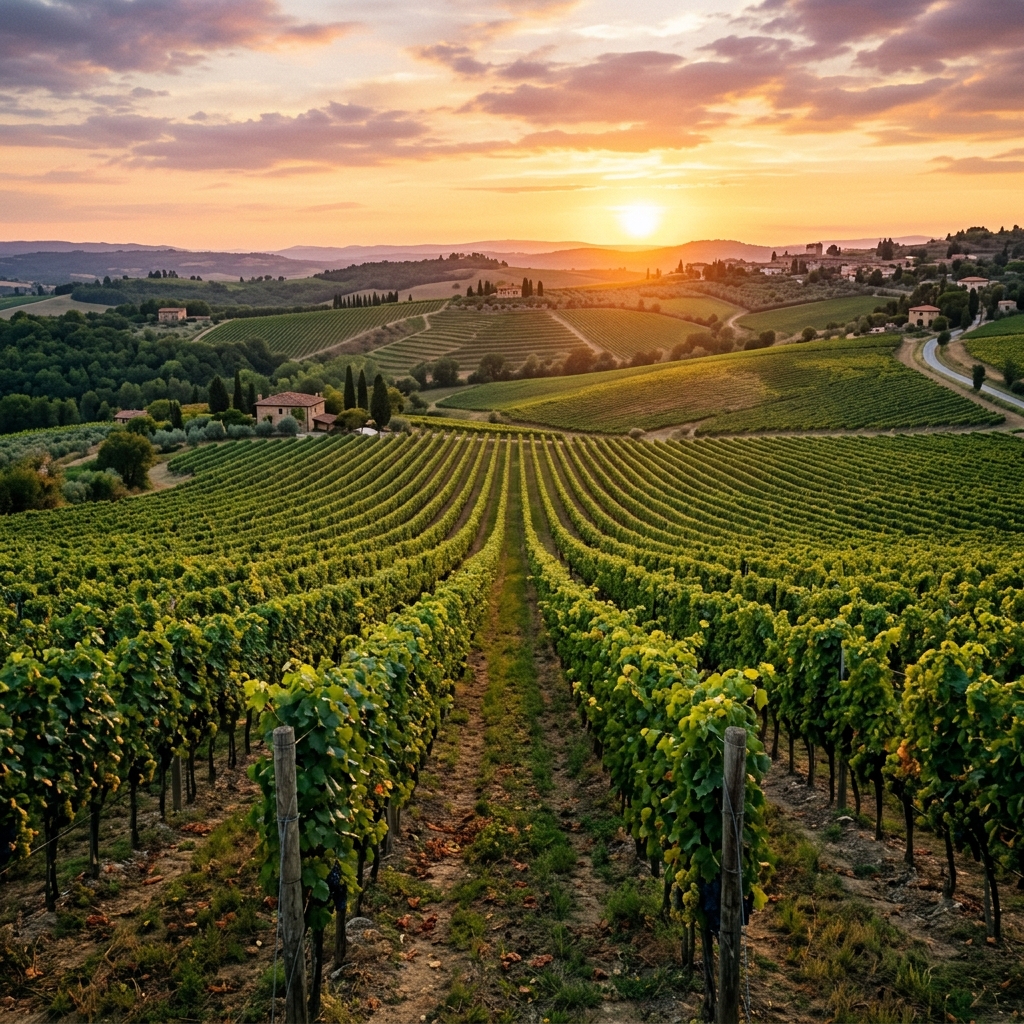
Pair lamb with structured, earthy reds that feature polished tannins and herbal complexity — Left Bank Bordeaux (Cabernet/Merlot), Spanish Rioja Reserva (Tempranillo), or northern Rhône Syrah.
| Recommended Grapes | Cabernet Sauvignon Tempranillo Syrah / Shiraz |
|---|---|
| Roast rack of lamb with rosemary | Left Bank Bordeaux (Pauillac, Saint-Julien), Rioja Gran Reserva |
| Grilled lamb chops | Northern Rhône Syrah (Crozes-Hermitage), Greek Xinomavro |
| Slow-braised lamb shanks | Barolo (Nebbiolo), Châteauneuf-du-Pape, or Brunello |
| Lamb kebabs & spiced shawarma | Southern French Syrah/Grenache, Lebanese Ksara/Musar, or Malbec |
| Ideal serving temperature | 16–18 °C in a large Bordeaux glass |
Lamb has an unmistakable flavor profile: pasture-fed sweetness, savory gamey depth, and rich fat. For centuries across Europe, lamb has been the centerpiece dish against which the finest red wines — from Bordeaux to Rioja — are measured.
The Synergy of Lamb Fat & Aged Tannins
Lamb fat is richer and firmer than beef fat, coating the tongue with intense savoriness. This demands two specific wine attributes:
- Firm, Polished Tannins: Astringent grape skins bind with lamb proteins, neutralizing mouth-drying bitterness and softening the wine into liquid silk.
- Herbaceous & Cedar Aromatics: Mature reds aged in oak casks develop aromas of dried thyme, rosemary, leather, and cedar cigar box that mirror classic lamb marinades.
Pairings by Classic Dish
1. Roast Rack of Lamb with Garlic & Herbs
- The Undisputed King: Left Bank Bordeaux (Médoc, Pauillac, Saint-Estèphe) or Rioja Reserva.
- Why it works: Cabernet Sauvignon’s black currant fruit, graphite minerality, and assertive tannin structure slice through lamb fat, while Rioja’s American oak vanilla and dried herbs bond with roasted garlic.
2. Pan-Seared Lamb Chops
- Top Picks: Northern Rhône Syrah (Saint-Joseph, Cornas) or Greek Xinomavro.
- Why it works: Seared over high heat, lamb chops acquire a caramelized crust. Syrah’s cracked black pepper, smoked meat, and dark plum character match the charred savoriness note-for-note.
3. Slow-Braised Lamb Shanks in Red Wine
- Top Picks: Châteauneuf-du-Pape (Grenache/Syrah/Mourvèdre), Barolo, or Ribera del Duero.
- Why it works: Braising breaks down connective tissue into gelatin, creating an unctuous, rich sauce. The wine needs deep concentration, warm alcohol, and muscular fruit to stand up to the reduction.
4. Spiced Lamb Kebabs & Street Skewers
- Top Picks: Argentine Malbec, Lebanese Bekaa Valley reds, or Australian Shiraz.
- Why it works: Cumin, sumac, coriander, and charcoal smoke benefit from generous ripe dark fruit, sweet spice, and supple, velvety tannins.
Grape Varieties for This Dish
Click on a grape to view its full sensory profile, tannin level, and acidity scale:
The undisputed King of Reds: powerful blackcurrant, pencil graphite, cigar box cedar, and towering architectural tannins.
The soul of Spanish wine: savory red cherry, cedar cigar box, supple leather, and warm vanilla from time in American oak barrels.
Monumental power and spice: dark blackberry, cracked black pepper, smoked meat, and savory depth.
Frequently Asked Questions
Why is Rioja Reserva considered the holy grail pairing for roast lamb?
Tempranillo aged for years in American and French oak develops distinct savory notes of dill, dried herbs, vanilla, and sweet tobacco. These exact aromatic compounds harmonize seamlessly with the grassy, pasture-fed savoriness of roast lamb and rosemary garlic seasoning, while polished tannins melt into lamb fat.
Does lamb fat require higher tannins than beef?
Yes. Lamb fat contains higher levels of stearic and oleic fatty acids, giving it a rich, coating texture that solidifies at lower temperatures. High tannins and brisk acidity are essential to cut through lamb fat and keep the palate lively throughout dinner.
What wine works best with Moroccan spiced lamb tagine?
Tagine features sweet spices like cinnamon, cumin, coriander, and dried apricots. Dry, austere reds will taste harsh; choose warm-climate, fruit-forward reds with exotic spice notes — such as Australian Shiraz, Grenache blends (GSM), or Sicilian Nero d'Avola.
Related Guides
Last updated: August 2, 2026