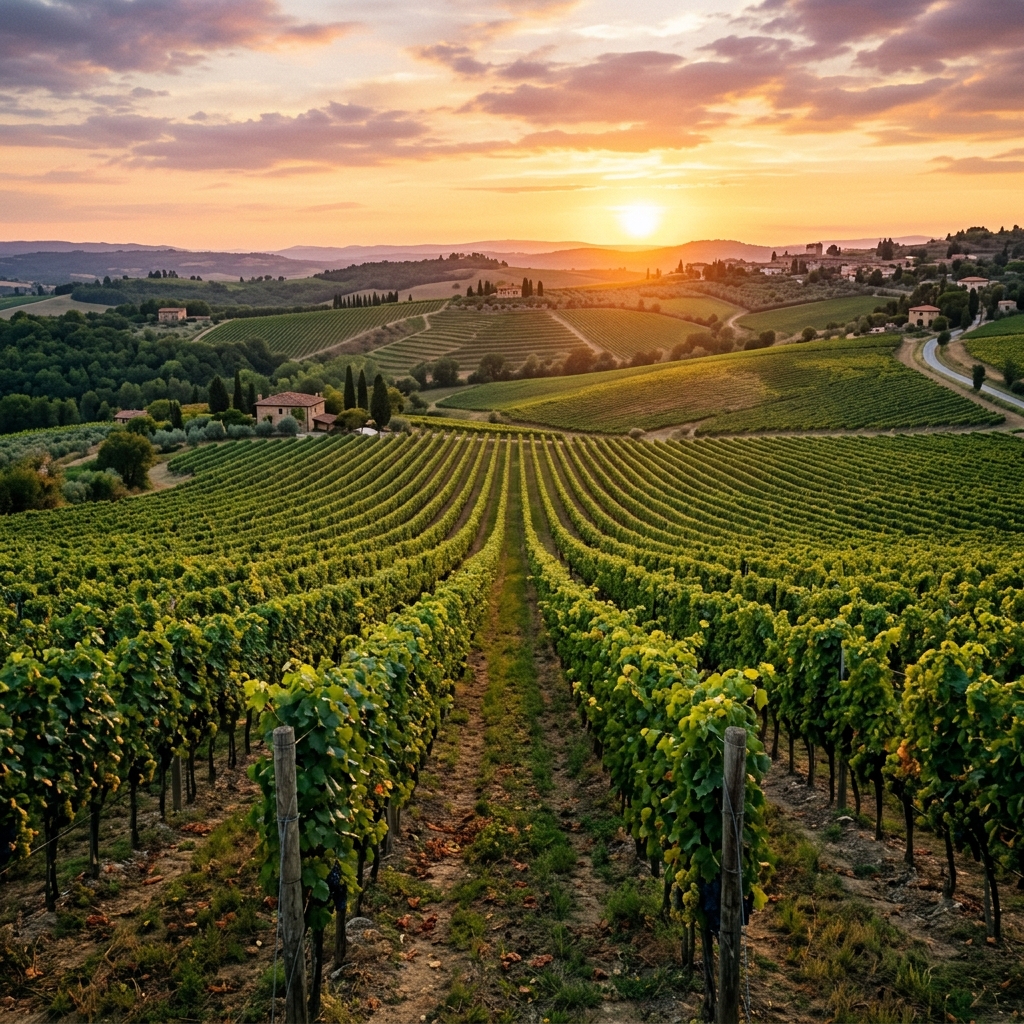
Pair steak with structured, high-tannin red wines — Cabernet Sauvignon, Malbec, or Syrah. Beef protein and fat bind with grape tannins, softening astringency while wine acidity cleanses the palate.
| Recommended Grapes | Cabernet Sauvignon Malbec Syrah / Shiraz |
|---|---|
| The Golden Rule | The higher the marbling and fat, the bolder the wine tannins should be |
| Ribeye, Striploin, Tomahawk | Cabernet Sauvignon, Left Bank Bordeaux, structured Malbec |
| Filet Mignon (Tenderloin) | Merlot, Pinot Noir, or elegant lighter Bordeaux |
| Flank, Skirt, Hanger Steak | Argentine Malbec, Syrah, or Rioja Reserva |
| Ideal temperature | 16–18 °C (slightly chilled, never room temperature in summer) |
Steak and bold red wine is the most celebrated pairing in global gastronomy. It endures not because of etiquette or tradition, but because of a precise biochemical reaction that occurs on your palate.
Why It Works: The Chemistry of Tannin & Fat
- Tannins Bind Protein: Taste a young, tannic red wine on an empty stomach: it feels raspy, bitter, and astringent, as tannins precipitate salivary proteins. Now take a bite of marbled ribeye and sip again: the exact same wine instantly tastes velvety, sweet, and smooth. Animal proteins and lipids bind the tannins before they can dry your mouth.
- Palate Cleansing Acidity: The reverse reaction is equally vital. High fat coats your tongue, dulling taste receptors. The wine’s acidity and alcohol act as a palate cleanser, scrubbing the palate clean and preparing your mouth for the next juicy bite.
- The Core Rule: The fattier and more marbled the steak cut, the more muscular and tannic the wine should be.
Choosing by Specific Cut
1. Ribeye, Striploin, Tomahawk (High Marbling & Fat)
- Top Picks: Cabernet Sauvignon (Napa Valley, Coonawarra), Left Bank Bordeaux (Pauillac, Saint-Julien), Brunello di Montalcino, or dense Mendoza Malbec.
- Why it works: Rich intramuscular fat demands the firmest, most structured tannins to achieve equilibrium.
2. Filet Mignon / Chateaubriand (Lean & Velvety)
- Top Picks: Right Bank Bordeaux (Pomerol, Saint-Émilion Merlot), Oregon Pinot Noir, or aged Rioja Reserva.
- Why it works: Filet mignon is supremely tender but contains almost zero marbling. Bold, aggressive Cabernet tannins will crush its delicate flavor; choose silky, elegant reds.
3. Flank, Skirt & Hanger Steak (Fibrous & Beefy)
- Top Picks: Argentine Malbec, Northern Rhône Syrah, or Spanish Tempranillo.
- Why it works: These butcher’s cuts have intense, rustic beef flavor and coarse grain that pair gloriously with juicy dark fruit and peppery spice.
4. Grilled Tenderloin & Charcoal Skewers (Smoke Factor)
- Top Picks: Syrah / Shiraz or smoky South African Pinotage.
- Why it works: Woodfire and charcoal smoke effortlessly latch onto the peppery, smoked-meat nuances of cool-climate Syrah and warm-climate Shiraz.
Crucial Factors Beyond the Meat
- Degree of Doneness: Rare and medium-rare preserve moisture and fat, supporting powerful wines. Well-done meat is drier, meaning aggressive tannins will taste harsh.
- Salt: Well-salted meat significantly softens the perception of tannins. An under-salted steak will make the same wine taste sharply bitter.
- Sauce Often Trumps the Cut:
- Green peppercorn sauce — Syrah, Shiraz.
- Creamy Béarnaise or wild mushroom — Pinot Noir, Merlot.
- Sweet barbecue glaze — Zinfandel, ripe Australian Shiraz.
- Chimichurri herbs — Argentine Malbec: a centuries-proven national match.
Budget-Friendly Options That Never Fail
- Chilean Cabernet Sauvignon from Maipo Valley, $12–$16.
- Argentine Malbec from Mendoza, $12–$18.
- Spanish Rioja Crianza, $14–$19 — softer tannin profile with impeccable food acidity.
Common Serving Mistake
Serving red wine too warm. At summer room temperature (22–24 °C), alcohol vaporizes upfront, making a bold red feel heavy and cloying beside rich beef fat. Place your bottle in the refrigerator for 15 minutes before opening (aiming for 16–18 °C) — the crisp transformation is immediate.
Grape Varieties for This Dish
Click on a grape to view its full sensory profile, tannin level, and acidity scale:
The undisputed King of Reds: powerful blackcurrant, pencil graphite, cigar box cedar, and towering architectural tannins.
Andean powerhouse: inky purple depth, dark plum, sweet violet perfume, cocoa, and velvet tannins.
Monumental power and spice: dark blackberry, cracked black pepper, smoked meat, and savory depth.
Frequently Asked Questions
Why don't people serve white wine with beef steak?
It is a matter of molecular structure, not color aesthetics. Steak requires astringent grape tannins to bind with beef protein and fat; white wines have virtually zero tannins. While an opulent, barrel-aged Chardonnay can handle a turkey or chicken steak, prime beef fat will completely overwhelm white wine.
Does the degree of doneness (rare vs well-done) affect wine selection?
Significantly. Rare and medium-rare steaks retain high natural juices and warm intramuscular fat, which readily bind and soften aggressive grape tannins. A well-done steak loses up to 30% of its moisture and rendered fat; without fat to cushion your tongue, bold Cabernet tannins taste harshly dry and bitter. With well-done meat, choose softer, fruitier reds like Merlot or Grenache.
How do steak sauces alter the wine pairing?
The sauce often dictates the pairing more than the beef cut itself. Creamy green peppercorn sauce elevates Syrah's peppery character. Bearnaise or wild mushroom sauce favors Pinot Noir or Merlot. Sweet barbecue sauce demands a ripe Zinfandel or Australian Shiraz to prevent the wine from tasting sour. Chimichurri is an eternal soulmate for Argentine Malbec.
What is the best budget-friendly bottle for steak night?
Chilean Cabernet Sauvignon from the Maipo Valley or Argentine Malbec from Mendoza in the $12–$18 range. Both regions offer the highest concentration of fruit, polished tannins, and oak complexity at approachable everyday price points.
Related Guides
Last updated: August 2, 2026