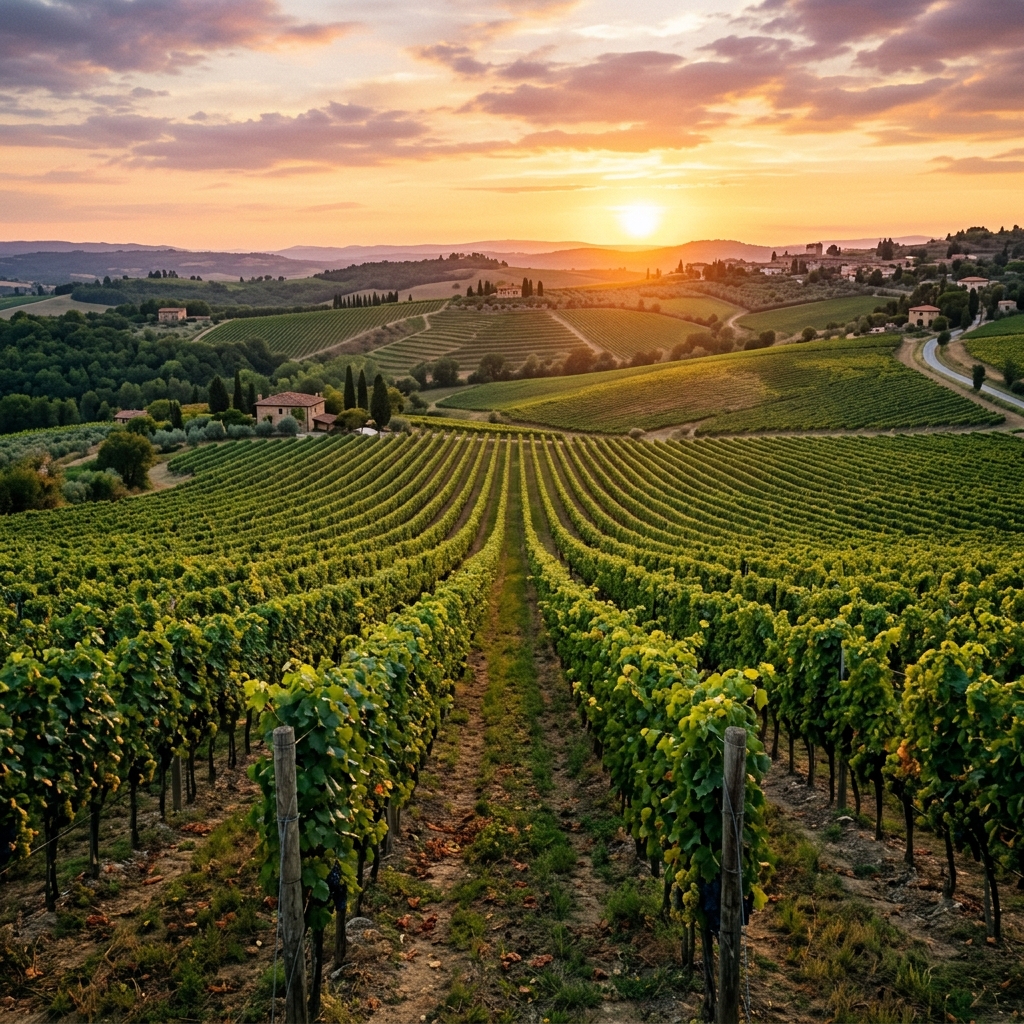
Provence is the world benchmark for pale dry rosé made from Grenache, Cinsault, and Mourvèdre, as well as the home of powerful, age-worthy Bandol reds.
| Country | ✦ France |
|---|---|
| Key Grapes | ✦ grenache ✦ mourvedre ✦ cinsault ✦ syrah ✦ rolle (vermentino) |
| Rosé Share | Around 90% of total regional production is dedicated to dry rosé wines |
| Signature Color | Pale salmon, peony petal, onion skin (crafted via gentle direct pressing) |
| Core Blend | Grenache, Cinsault, Mourvèdre, and Syrah |
| Iconic Red Enclave | Bandol (Bandol AOC) — muscular, tannic, long-lived red wines based on Mourvèdre |
| Serving Temperature | 8–10 °C for rosé, 16–18 °C for red Bandol (temperature guide) |
Provence is the oldest wine-growing region in France, where vines were first planted by Phocaean Greeks over 2,600 years ago. Blessed with generous Mediterranean sunshine, cooled by marine breezes, and swept clean by the Mistral wind, Provence created the global benchmark for bone-dry rosé wine.
Key Wine Styles & Appellations of Provence
Regional winemaking spans four celebrated styles: from weightless, pale-salmon rosés to monumental, age-worthy Bandol reds.
Côtes de Provence
The global gold standard for dry rosé: rose petal, pink grapefruit, fresh wild strawberry, white peach, and a delicate saline finish.
Rosé Guide →Bandol
Muscular red Mourvèdre (50–95%) and structured gastronomic rosés: wild black berries, truffle, saddle leather, spices, and 20+ years of aging potential.
Grape Guide →Cassis Blanc
Rare white wines crafted from Marsanne and Clairette beneath white limestone calanques: crystalline freshness and the benchmark pairing for Bouillabaisse.
Fish & Wine →Coteaux d'Aix
Vibrant, juicy rosés and supple, herbaceous reds featuring pronounced aromas of wild rosemary, lavender, and savory garrigue scrubland.
Provençal Table →Terroir and Soils of Provence: Sunshine, Mistral and Maritime Minerality
Key Appellations & Wine Styles of Provence
| Appellation | Primary Grapes | Style & Benchmark Profile | Classic Food Pairing |
|---|---|---|---|
| Côtes de Provence | Grenache, Cinsault, Syrah | Benchmark pale rosé, citrus, crushed stones, white peach | Salade Niçoise, grilled seafood |
| Bandol (Bandol AOC) | Mourvèdre (min. 50%), Grenache | Powerful reds and structured gastronomic rosés | Grilled lamb, steak, seared tuna |
| Coteaux d’Aix-en-Provence | Grenache, Cinsault, Cabernet Sauvignon | Fresh, aromatic, floral rosés and crisp whites | Provençal roast chicken, goat cheese, tapas |
| Cassis (Cassis AOC) | Clairette, Marsanne, Rolle | Rare mineral whites nestled beneath towering sea cliffs | Bouillabaisse soup, sea bass |
Sommelier Food Pairing Guide
Provençal wines are tailor-made for fresh Mediterranean cuisine and sun-drenched feasts:
With Salade Niçoise & Fresh Vegetables
Dry, mineral Côtes de Provence elevates the savoriness of fresh seared tuna, capers, anchovies, and black Niçoise olives.
Salad Guide →With Marseille Bouillabaisse & Seafood
White Cassis or a structured Bandol rosé offers the ideal mineral salinity and body to match the saffron broth and garlic rouille.
Fish & Wine →With Roast Lamb & Red Bandol
A powerful, mature red Bandol Mourvèdre showing game, bay leaf, and leather nuances effortlessly cuts through rich roasted lamb.
Lamb Guide →With Banon Goat Cheese
Chestnut leaf-wrapped Banon goat cheese paired with dry Provençal rosé creates a timeless celebration of southern French terroir.
Cheese Guide →Continue exploring French wine: head to the neighboring Rhône Valley, majestic Bordeaux, or complete your certification in Level 2 Wine Academy!
Frequently Asked Questions
Why are Provençal rosé wines so pale in color?
The Provençal rosé style is achieved through gentle direct pressing (Pressurage Direct). Dark grapes are pressed immediately, allowing the juice minimal skin contact (minutes to a few hours). The resulting wine is crystal-clear, fresh, devoid of heavy tannins, and displays the delicate hue of a rose petal.
Are Provence wines sweet?
No! Classic Provençal rosé is strictly dry, featuring crisp citrus acidity, notes of pink grapefruit, white peach, wild garrigue herbs, and a saline maritime finish. Read more in our "Dry vs Sweet Wine" guide.
What makes Bandol wines so distinctive?
Bandol is Provence's crown jewel on the Mediterranean coast. Beyond benchmark gastronomic rosés, it produces monumental, age-worthy reds made from at least 50–95% Mourvèdre aged in oak for a minimum of 18 months. They showcase powerful tannins, dark berries, leather, black truffle, and spice.