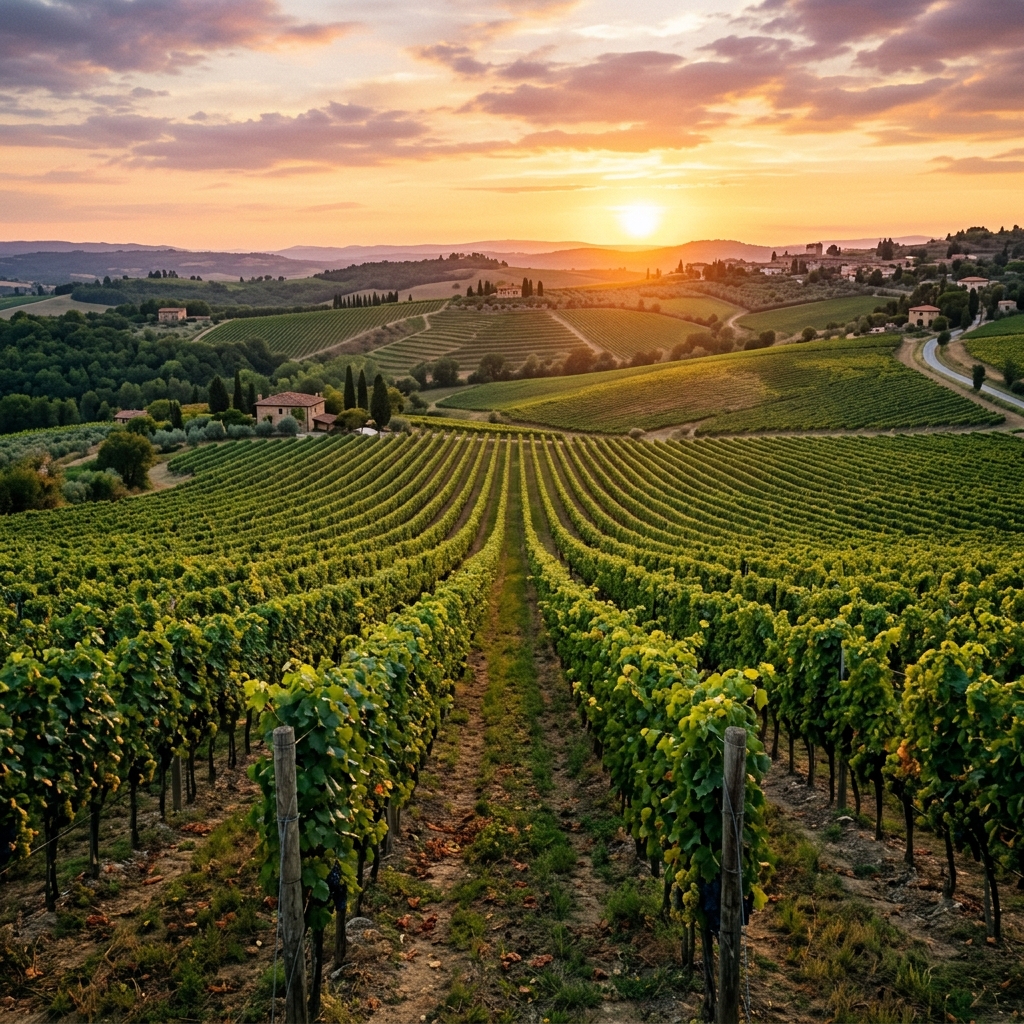
Rosé wine is produced from red grapes through limited skin contact (direct pressing or short maceration lasting 2 to 24 hours), extracting delicate pink hues and vibrant fruit esters while leaving heavy tannins behind. Except for rosé Champagne, blending white and red wine is strictly forbidden in the European Union.
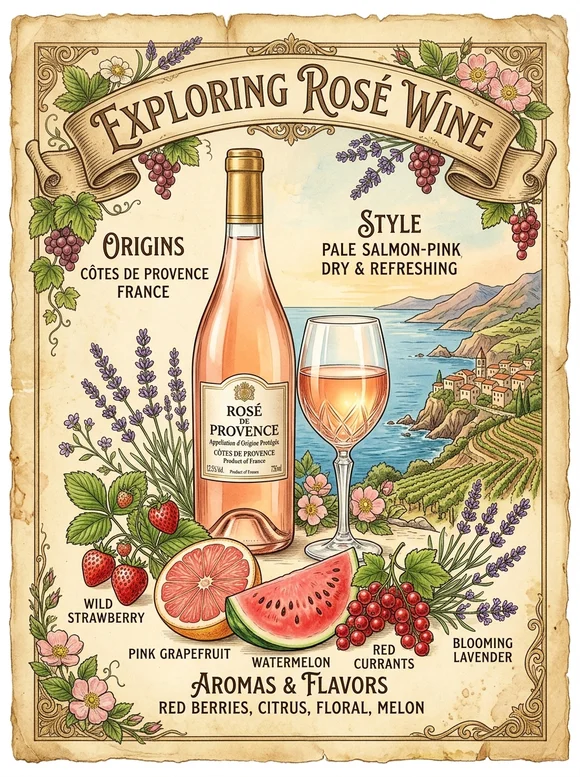
Taste Profile & Sensory Structure
Rating on 1–5 scaleKey Aromas & Flavor Descriptors
| Wine Style | Rosé Wine |
|---|---|
| Origin / Homeland | Provence & Southern France |
| Other Names | Rosé, Rosado (Spain), Rosato (Italy) |
| Production Methods | Direct Pressing (gentle pressing for pale salmon color) or Saignée (bleeding pink juice from red maceration tanks) |
| Blending Prohibition | Mixing red and white wine to make still rosé is strictly illegal across the EU (permitted only in Champagne) |
| Color Does Not Equal Sweetness | Pale Provence rosé is bone dry; deep Spanish rosado can be bone dry; California White Zinfandel is sweet |
| Serving Temperature | 8–10 °C (46–50 °F) — serves chilled, invigorating, and aromatic |
Rosé wine is the celebratory spirit of Mediterranean life. Combining the thirst-quenching, chilled refreshment of white wine with the seductive red berry aromatics and subtle texture of red grapes, it offers a versatile culinary chameleon that elevates outdoor dining across the globe.
Explore Rosé Wine in Depth
Master the art of rosé through our four comprehensive Academy guides: winemaking methods, Provence terroirs, Mediterranean cuisine pairings, and vintage shopping.
Frequently Asked Questions
Is rosé wine just a mixture of red and white wine?
No. Across the European Union, blending finished red and white wine together to produce still rosé is strictly prohibited by law. The only legal exception anywhere in Europe is sparkling Rosé Champagne. Real rosé is made from red grapes whose freshly pressed juice is left in contact with the pigment-rich skins for just a few short hours.
Is pale salmon rosé always dry, and darker pink rosé sweet?
Color has zero correlation with sugar content. Hue is determined entirely by grape variety and skin maceration time. Classic, pale onion-skin Provence rosés are bone dry; deep crimson Spanish rosados from Navarra are fiercely dry and structured; while pale pink California White Zinfandels are sweet. Always inspect the regional appellation rather than the glass color.
Can fine rosé wine be aged in the cellar?
The overwhelming majority (95%+) of rosé thrives purely on youthful vibrancy and should be drunk within 1 to 2 years of harvest. After two years, aromas fade and colors turn brownish-orange. Notable exceptions include the structured, cellar-worthy rosés of Tavel in the Rhône and iconic barrel-aged Provence cuvées like Château d'Esclans Garrus or Simone, which evolve gracefully for 4–7 years.
Related Guides
- How to Recognize Rosé in the GlassStrawberry, citrus, crisp acidity, and sensory profile
- Where Rosé GrowsCôtes de Provence, Bandol, Tavel, and Navarra
- Food Pairing with RoséSalade Niçoise, grilled salmon, bouillabaisse, and goat cheese
- What to Buy (Rosé)Provence cru classé, gastronomic Tavel, and dry Spanish rosado
- ProvenceThe sun-drenched Mediterranean spiritual home of pale dry rosé
Last updated: September 20, 2026