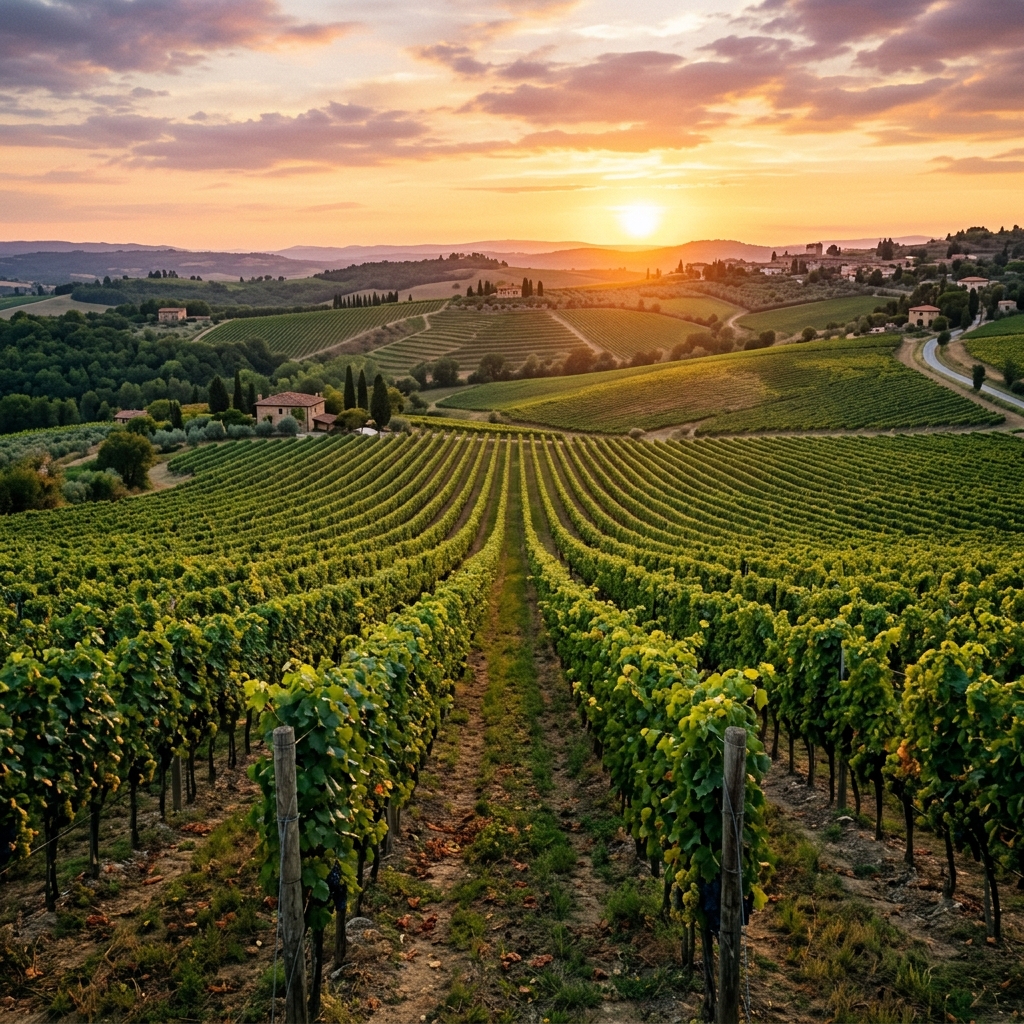
Priorat (Priorat DOQ / DOCa) is Spain's prestigious high-altitude region alongside Rioja holding the highest DOCa status. Set on steep terraced slopes of glittering black llicorella slate, Priorat produces concentrated, mineral-drenched red wines with 14.5–15.5% ABV from centenarian Garnacha and Cariñena bush vines.
| Country | ✦ Spain |
|---|---|
| Key Grapes | ✦ garnacha ✦ carinena ✦ syrah ✦ cabernet-sauvignon ✦ merlot ✦ garnacha-blanca |
| Supreme DOQ Status | Priorat DOQ (DOCa) is Spain's only region alongside Rioja awarded the nation's highest quality classification |
| Llicorella Slate | 300-million-year-old dark Devonian mica-slate with quartz crystals forcing vine roots 15m deep into rock fissures |
| Landmark Native Duo | Old bush-vine Garnacha & Cariñena (Samsó) yielding less than 1 kg per vine |
| Terroir Hierarchy | Los Nombres de la Tierra classification: DOQ ➔ Vi de Vila ➔ Vi de Finca Qualificada ➔ Gran Vinya Classificada |
| Serving & Decanting | 16–18 °C in a large Bordeaux or Syrah glass with at least 60 minutes of decanting (serving guide) |
Priorat (Priorat DOQ / DOCa) is Spain’s most dramatic, unforgiving, and mesmerizing wine landscape. Towering beneath the jagged limestone cliffs of the Montsant massif in southwestern Catalonia, Priorat is one of only two wine regions in Spain (alongside Rioja) elevated to the pinnacle category of DOQ (Denominación de Origen Calificada / Denominació d’Origen Qualificada). Here, ancient pre-phylloxera bush vines of Garnacha and Cariñena claw their way through shimmering sheets of black slate.
The Priorat Cru Hierarchy (Los Nombres de la Tierra)
Priorat champions a Burgundian pyramid reflecting village communes and single-vineyard plots:
Llicorella Slate & Ancient Bush Vines
The extreme mountain topography and ancient geological history dictate Priorat’s peerless character:
Grape Varieties & Terroir Matrix
| Grape Variety | Share in Blend | Sensory Profile | Terroir Role |
|---|---|---|---|
| Garnacha (Tinta & Peluda) | 40–80% (Soul) | Ripe wild strawberry, dried figs, wild thyme, warming alcohol | Imparts roundness, opulent velvet, and sweet red-fruit generosity |
| Cariñena (Samsó) | 20–50% (Backbone) | Black plum, wild blueberry, violet, crushed graphite, high acid | Provides the firm acidic spine, deep color, and long-lived structural grip |
| Syrah & Cabernet Sauvignon | 5–20% (Modern accents) | Cracked black pepper, cassis, cedar box, cigar leaf | Enhances spice, aromatics, and mid-palate density in modern cuvées |
| Garnacha Blanca & Macabeo | 100% (White Priorat) | Baked Meyer lemon, fennel bulb, hazelnut, beeswax, slate salinity | Rare, full-bodied, waxy whites showcasing saline slate minerality |
Sommelier Food Pairing Guide
Concentrated Priorat wines boasting garrigue herbs, liquorice, and smokiness demand rich culinary partners:
Grilled Ribeye with Thyme
Prime dry-aged beef seasoned with flaked sea salt and fresh mountain thyme elevates the graphite and herbal notes of Priorat.
Steak Pairing Guide →Braised Wild Boar with Juniper
Civet de Senglar: Catalan game stew simmered in red wine with juniper berries and dark chocolate creates magic with mature Vi de Finca.
Game Pairing Guide →Aged Truffled Sheep's Milk Cheese
Hard Catalan Tupí and mature Manchego Curado seamlessly tame the robust 15% alcohol while highlighting savory earthy nuances.
Cheese Pairing Guide →85% Dark Chocolate & Dried Figs
One of the very few dry red wines on Earth capable of harmonizing with single-origin dark chocolate, cocoa nibs, and dried figs.
Chocolate Pairing Guide →Continue exploring Spain: journey to cool-climate Atlantic Galicia, iconic white Rueda, or challenge yourself in the Level 3 Wine Academy Exam!
Frequently Asked Questions
What is Llicorella slate and why does it define Priorat wine?
Llicorella is Priorat's signature soil: dark brown and black Devonian slate formed over 300 million years ago, studded with shimmering quartzite crystals. The quartz reflects searing Mediterranean sunshine by day, while the dense slate absorbs heat and radiates it back into the canopy through chilly mountain nights. Vine roots plunge 10–15 meters down through narrow slate fissures to tap underground water, imparting Priorat reds with profound graphite, flinty smoke, and crushed-rock salinity.
How does the \"Los Nombres de la Tierra\" Burgundian classification work in Priorat?
Adopted in 2019, Los Nombres de la Tierra ("Names of the Land") is Spain's most progressive terroir-based hierarchy: DOQ Priorat (regional tier) ➔ Vi de Vila (village wines from 12 historic communes such as Gratallops and Porrera) ➔ Vi de Finca Qualificada (single-estate registered clos) ➔ Gran Vinya Classificada (the Grand Cru pinnacle representing legendary historic single vineyards like Álvaro Palacios' L'Ermita).
Why do Priorat reds naturally reach high alcohol levels (14.5%–15.5%)?
The confluence of intense Mediterranean sunshine, arid mountain microclimates, steep slope aspect, and microscopic yields from ancient bush vines (often below 1 kg of grapes per vine) generates high natural sugar accumulation in Garnacha grapes. However, razor-sharp natural acidity from high altitudes (up to 800 meters) combined with the cooling mineral slate matrix creates structural balance, ensuring the warmth feels seamlessly velvety rather than fiery.