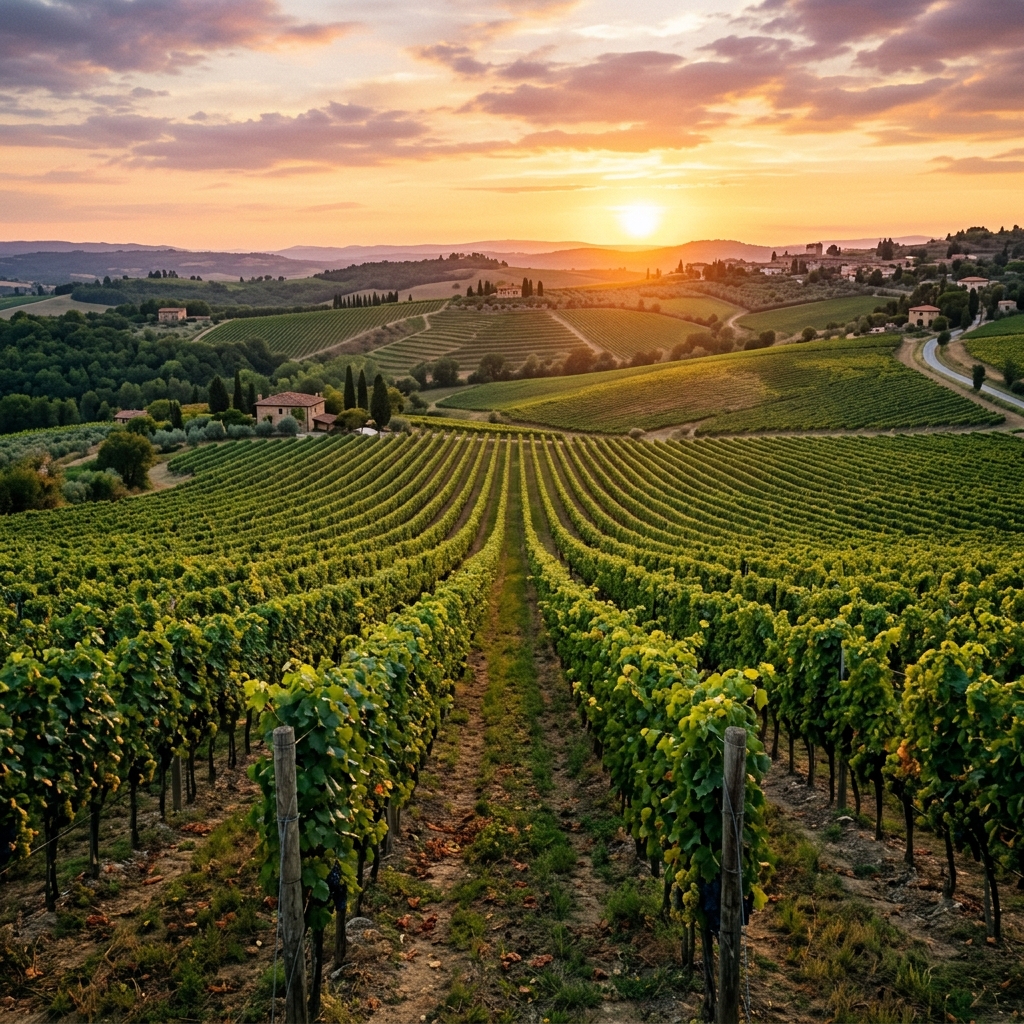
乾型葡萄酒(Dry Wine)指發酵完全、葡萄中的糖分幾乎全部轉化為酒精,殘留糖分少於 4 g/L;甜型葡萄酒(Sweet Wine)則保留了較高的未發酵天然果糖。決定口感是否愉悅的關鍵在於「酸甜平衡」:頂級甜酒擁有高亢的天然酸度,甜而不膩;高酸乾白有時也能展現圓潤甜感。
| Dry Wine | Under 4 g/L residual sugar (or up to 9 g/L when balanced by vibrant acidity) |
|---|---|
| Off-Dry / Semi-Dry | 4–18 g/L residual sugar. Subtle fruit cushion without overt cloying sweetness |
| Semi-Sweet / Medium | 18–45 g/L residual sugar. Pronounced sweetness balanced by firm acidity |
| Sweet / Dessert | 45 g/L to 250+ g/L (Sauternes, Tokaji Aszú, Icewine, Vintage Port) |
Dry VS Sweet Wine: What Is the Real Difference?
Deconstructing fermentation biochemistry, residual sugar thresholds, and food pairing affinities.
⚖️ 1. Official European Wine Sweetness Classifications
| Classification | Residual Sugar (g/L) | Palate Sensation | Benchmark Archetypes |
|---|---|---|---|
| Dry (Sec / Trocken) | < 4 g/L | Crisp, structural, savory, refreshingly taut | Cabernet, Sauvignon Blanc |
| Off-Dry (Demi-Sec / Feinherb) | 4–18 g/L | Soft mid-palate with an embrace of juicy orchard fruit | Mosel Riesling Feinherb, Gewürztraminer |
| Semi-Sweet (Moelleux / Lieblich) | 18–45 g/L | Distinct sweet resonance held in tension by acidity | Vouvray Demi-Sec |
| Sweet / Dessert (Doux / Süss) | > 45 g/L | Opulent nectar, honey, candied apricot, dried figs | Sauternes, Vintage Port |
🍽️ 2. The Golden Rule of Sweet Wine Pairing
In professional sommelier gastronomy, the wine must always be sweeter than the accompanying dish. If a dessert carries higher sugar concentration than the wine, the wine’s fruit expression collapses, leaving only tart acidity and harsh alcohol bitterness on the palate.
常見問題解答 (FAQ)
Do quality winemakers add table sugar to fine wine?
No. In quality viticulture, all sugar derives exclusively from ripe estate grapes. During fermentation, yeast converts natural grape glucose and fructose into ethanol and carbon dioxide.
Why do some bone-dry wines taste sweet?
This is known as perceived sweetness. Intense ripe fruit aromas (peach, mango, vanilla from new oak barrels), low acidity, and elevated alcohol (14%+) trigger olfactory sweetness cues in the brain despite chemical sugar levels being zero.
Which wine contains fewer calories?
Standard dry wine averages 65–80 kcal per 100 ml. Rich sweet and fortified dessert wines contain between 130 and 220+ kcal due to the dual caloric density of concentrated sugars and elevated alcohol.