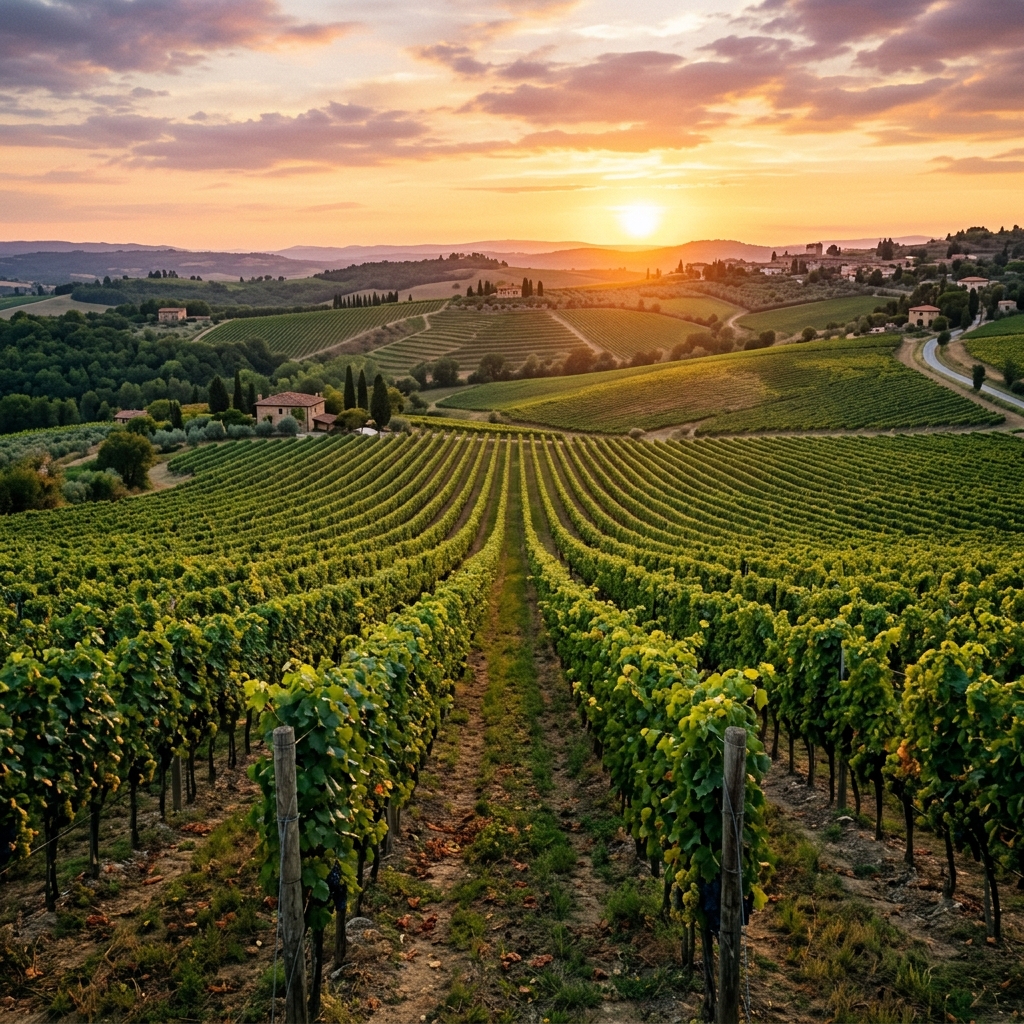
Salta is the world's most extreme high-altitude wine frontier, perched in Argentina's Calchaquí Valleys at elevations from 1,700m up to 3,111m. Under fierce Andean ultraviolet sunlight and dramatic diurnal swings, Salta produces benchmark aromatic white Torrontés with intoxicating jasmine perfume and bone-dry minerality, alongside ink-black, age-worthy Malbec.
| 國家/產區 | ✦ 阿根廷 |
|---|---|
| 核心葡萄品種 | ✦ torrontes ✦ malbec ✦ tannat ✦ cabernet-sauvignon |
| World's Highest | Vineyards sit from 1,700m (Cafayate) up to an astonishing 3,111m (Colomé / Payogasta) above sea level |
| White Signature | Torrontés Riojano — intoxicating floral bouquet of white jasmine, rose petals, and lychee with a bone-dry, crisp finish |
| UV Solar Shield | Fierce Andean UV radiation forces grape skins to thicken, concentrating record levels of polyphenols and anthocyanins |
| Diurnal Contrast | Temperature swings of up to 25 °C between baking desert days (+35 °C) and freezing mountain nights (+10 °C) |
| Serving Temperature | 8–10 °C for Torrontés; 16–18 °C in a large Bordeaux glass for high-altitude Malbec (serving guide) |
Salta and the mythical Calchaquí Valleys (Valles Calchaquíes) represent the most dramatic and extreme high-altitude viticultural frontier on Earth. Perched across northwestern Argentina beneath the snow-capped 6,000-meter Andean peaks, winemaking here defies natural conventions. Razor-thin alpine air, brilliant solar radiation, and crystalline snowmelt forge wines of monumental power, kaleidoscopic aromatics, and pristine purity.
Signature Wine Styles of Salta & Cafayate
This extreme altitude cultivates unmistakable, terroir-expressive white and red masterworks:
Terroir Above the Clouds: UV Radiation & Calchaquí Valleys
The viticultural geology and climate of Salta are unparalleled anywhere in the wine world:
Benchmark Grape Varieties of Salta
| Grape Variety | Share of Plantings | Aromatic & Palate Profile | Regional Role |
|---|---|---|---|
| Torrontés Riojano | ~35% (White Monarch) | Jasmine, white roses, lychee, white peach, lime peel, bone-dry mineral body | The undisputed white jewel of Salta, acknowledged as the global benchmark for the variety |
| Malbec | ~45% (Red Titan) | Black mulberry, violet, prune, pipe smoke, wild Andean rosemary, dark chocolate | The flagship red showing astonishing depth of inky color and high-altitude mountain tension |
| Cabernet Sauvignon | ~10% (Savory Classic) | Blackcurrant, roasted sweet paprika, graphite, cedar, structured tannins | Displays unique savory spice and roasted red pepper notes rarely matched in Mendoza |
| Tannat | ~6% (Rising Star) | Blackberry, licorice, cured leather, espresso, monumental velvety tannins | Ripens completely under mountain sun, softening harsh rustic edges into majestic velvet |
Sommelier Food Pairing Guide
The authentic, hearty gastronomy of northwestern Argentina was forged alongside its extreme wines:
Empanadas Salteñas
Iconic hand-cut beef pastries with potato, scallion, and cumin find their canonical culinary soulmate in crisp, fragrant Torrontés.
Appetizer Guide →Grilled Ribeye (Ojo de Bife)
The dense tannins and ink-black concentration of Cafayate Malbec slice cleanly through the rich, unctuous fat of charcoal-grilled beef.
Steak Guide →Cordero al Palo (Slow-Roasted Lamb)
Mountain Tannat's velvety tannin architecture and resinous undertones pair majestically with game meats and wood-roasted lamb.
Meat Pairings →Thai Green Curry & Ceviche
Torrontés’ intoxicating floral aromas effortlessly diffuse the fiery burn of fresh chili peppers, ginger, lime, and coconut milk.
Spicy Food Guide →Continue exploring Argentina: journey south to the Malbec epicenter in Mendoza, discover the windswept southern frontier in Patagonia, or test your skills in the Level 2 Wine Academy Exam!
常見問題解答 (FAQ)
Why are Salta's vineyards recognized as the highest in the world?
While European mountain viticulture rarely exceeds 800–1,000 meters, viticulture in the Calchaquí Valleys (Valles Calchaquíes) only begins at 1,600–1,700 meters in Cafayate and ascends past 3,000 meters at Bodega Colomé’s Altura Máxima (3,111m). At these altitudes, the air is razor-thin, atmospheric pressure is drastically lower, and ultraviolet radiation is profoundly more intense than on sea-level plains.
How does Argentine Torrontés from Cafayate deceive the senses?
Torrontés Riojano is an indigenous natural cross between Muscat of Alexandria and Criolla Chica. Cafayate is its undisputed global spiritual home. The magic of Torrontés lies in its sensory dichotomy: to the nose, it smells lusciously sweet like a decadent liqueur (heady jasmine, orange blossom, rose petals, and ripe white peach), yet on the palate, it delivers an uncompromisingly bone-dry, crisp, saline, and refreshing citrus finish.
How does high-altitude Salta Malbec differ from classic Mendoza?
Shielding themselves against extreme Andean ultraviolet radiation, Malbec grapes in Salta develop extraordinarily thick skins loaded with anthocyanins and tannins. The resulting wine is nearly pitch-black, deeply concentrated, bursting with wild blackberry, black pepper, violet florals, and resinous mountain herbs (jarilla), balanced by electric high-altitude natural acidity.
延伸閱讀推薦
- Malbec GrapeCompare Mendoza Malbec with the high-altitude titans of Salta
- Steak & WineWhy tannic mountain wines are the ultimate match for Argentine asado
- Wine GlasswareWhich glass geometry unleashes the explosive perfume of Torrontés
- Academy Exam (Level 2)Test your mastery of extreme high-altitude South American terroirs