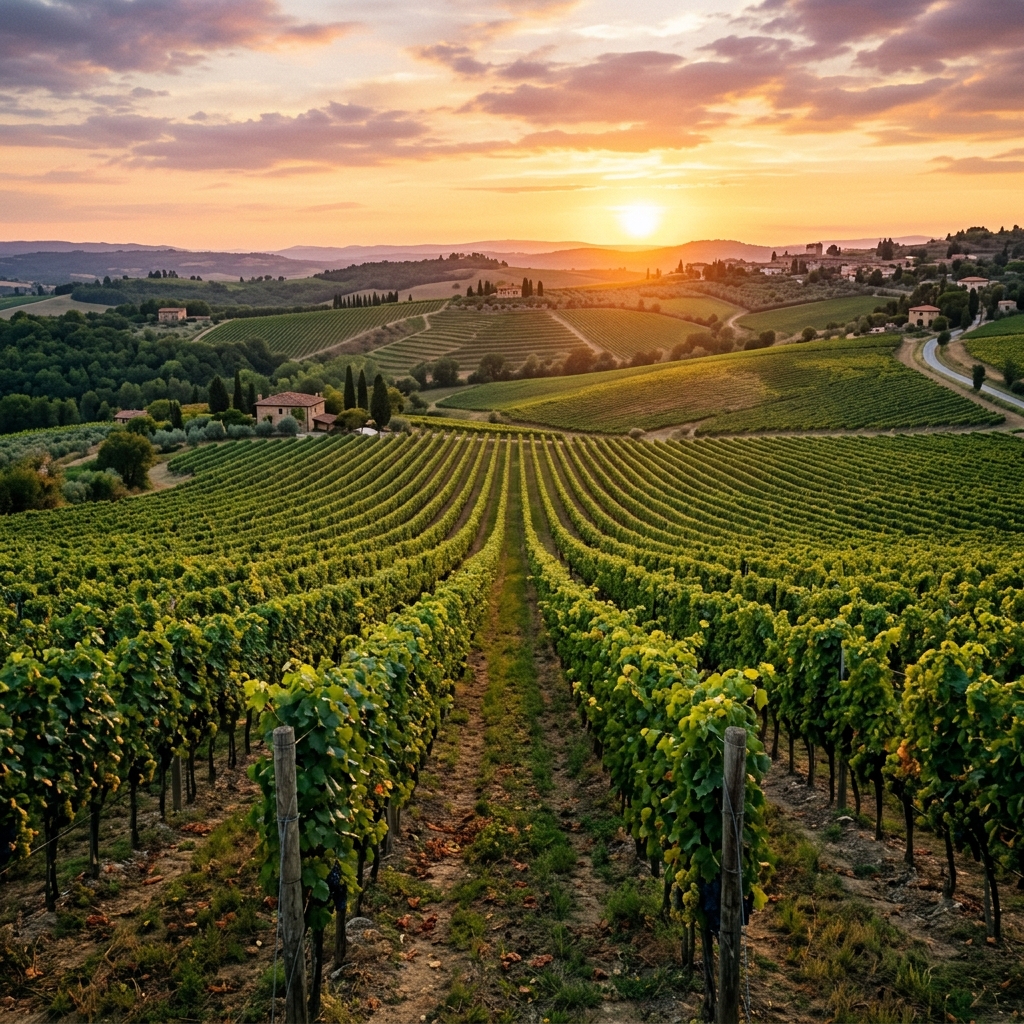
Patagonia is Argentina's southernmost, coolest viticultural frontier, stretching along the Río Negro and Neuquén river valleys. Shaped by fierce drying Pampero winds, crystal-clear Andean meltwaters, and long daylight hours, Patagonia produces Argentina's most aristocratic, cool-climate wines: ethereal Pinot Noir, centenarian Semillon, and refined, floral Malbec.
| 國家/產區 | ✦ 阿根廷 |
|---|---|
| 核心葡萄品種 | ✦ pinot-noir ✦ malbec ✦ semillon ✦ merlot ✦ chardonnay |
| Southern Frontier | South America's southernmost commercial wine frontier (39°S latitude) with a cool desert steppe microclimate |
| Regional Sovereign | Pinot Noir — ethereal, fresh, showing wild forest strawberry, cranberries, damp earth, roses, and crystalline minerality |
| Pampero Winds | Fierce, dry winds from the Andes and Antarctica sweep the valleys, preventing fungal disease and thickening grape skins |
| Centenarian Heritage | Río Negro preserves ungrafted, century-old pre-phylloxera Semillon, Merlot, and Malbec vines planted in the 1920s–1930s |
| Serving Temperature | 14–16 °C for Pinot Noir; 10–12 °C for Semillon; 16–18 °C for Malbec (serving guide) |
Patagonia is the mysterious, wild, and breathtaking southern frontier of Argentine winemaking. Spanning an arid, windswept plateau between the glacial corridors of the Río Negro and Neuquén rivers, this pristine territory crafts wines that stand in striking contrast to Mendoza: cool, taut, brimming with northern restraint and electric mineral freshness.
Signature Wine Styles of Patagonia
A cool climate, brilliant solar intensity, and pristine glacial waters shape an aristocratic portfolio:
Patagonian Terroir: Pampero Winds & Glacial Meltwaters
Patagonia’s unique viticultural personality is defined by extreme high-latitude geography:
Subregions and Valleys of Patagonia
| Valley / Province | Terroir Characteristics | Key Grape Varieties | Style & Personality |
|---|---|---|---|
| Alto Valle del Río Negro | Historical heartland, alluvial terraces, poplar windbreaks | Pinot Noir, Old-Vine Semillon, Malbec | Complex, mineral-driven, aristocratic wines from century-old vines |
| San Patricio del Chañar (Neuquén) | Modern 2000s oasis, gravelly limestone, drip irrigation | Malbec, Cabernet Franc, Merlot, Pinot Noir | Vibrant, juicy, structured red wines with immaculate fruit purity |
| Chubut | Extreme southern frontier (43°–45°S), maritime granite & clay | Chardonnay, Pinot Noir, Riesling | Ultra-taut, electric cool-climate whites and traditional sparkling wines |
Sommelier Food Pairing Guide
The electric acidity and pure red fruit profile of Patagonian wines harmonize flawlessly with regional culinary classics:
Cordero Patagónico al Asador
Milk-fed lamb slowly roasted over an open wood fire is the legendary partner for Patagonia Pinot Noir's wild strawberry perfume and silky grip.
Meat Pairing Guide →Pan-Seared Rainbow Trout
Glacial river trout cooked with brown butter and fresh thyme finds its match in the beeswax, lemon zest, and lanolin depth of old Semillon.
Fish Pairing Guide →Braised Wild Boar & Juniper
Slow-cooked wild game with mountain herbs echoes the peppery, floral, and savory graphite notes of Patagonian Malbec.
Wild Game Guide →Duck Pâté & Forest Mushrooms
The damp earth and truffled nuances of bottle-aged Pinot Noir meld effortlessly with rich duck terrine and sautéed wild mushrooms.
Appetizer Guide →Continue exploring Argentina: journey to the extreme high-altitude vineyards of Salta, compare with central Mendoza, or challenge your knowledge in the Level 2 Wine Academy Exam!
常見問題解答 (FAQ)
How do Patagonia wines fundamentally differ from Mendoza?
While Mendoza is defined by high-altitude continental heat and opulent, full-throttle power, Patagonia is a cool-climate oasis characterized by European-style restraint and acidity. Although situated at lower elevations (250–350 meters), its high southern latitude (39°S) provides very long summer daylight hours combined with crisp night-time temperatures. As a result, Patagonian wines exhibit lower alcohol levels, vibrant natural acidity, fine-grained silky tannins, and fresh red fruit character rather than jammy richness.
Why is the Río Negro Valley famed for its centenarian Semillon vines?
In the early 20th century, European immigrants planted extensive tracts of the noble French white grape Semillon across the Río Negro Valley. Forgotten for decades during the rise of Malbec, these 80- to 100-year-old ungrafted bush vines have been rediscovered by top artisanal winemakers to produce some of South America’s most complex white wines: waxy, textured, offering notes of honeycomb, baked pear, lemon verbena, and crushed flint minerality.
What is the viticultural significance of the fierce Pampero winds?
The unceasing, dry Pampero wind blowing across the Patagonian steppe acts as an organic guardian of the vineyards. By instantly dissipating morning dew and humidity, it renders mildew, rot, and fungal vine diseases virtually nonexistent. This allows viticulturists in Río Negro and Neuquén to practice organic and biodynamic farming with minimal intervention.
延伸閱讀推薦
- Pinot Noir GrapeCompare Burgundian benchmarks with cool-climate Patagonian expressions
- Malbec GrapeExplore how cooler climates transform Argentina's flagship red
- Lamb & Meat PairingClassic pairing rules for spit-roasted Patagonian lamb and game
- MendozaDiscover Argentina's central wine powerhouse in the Uco Valley