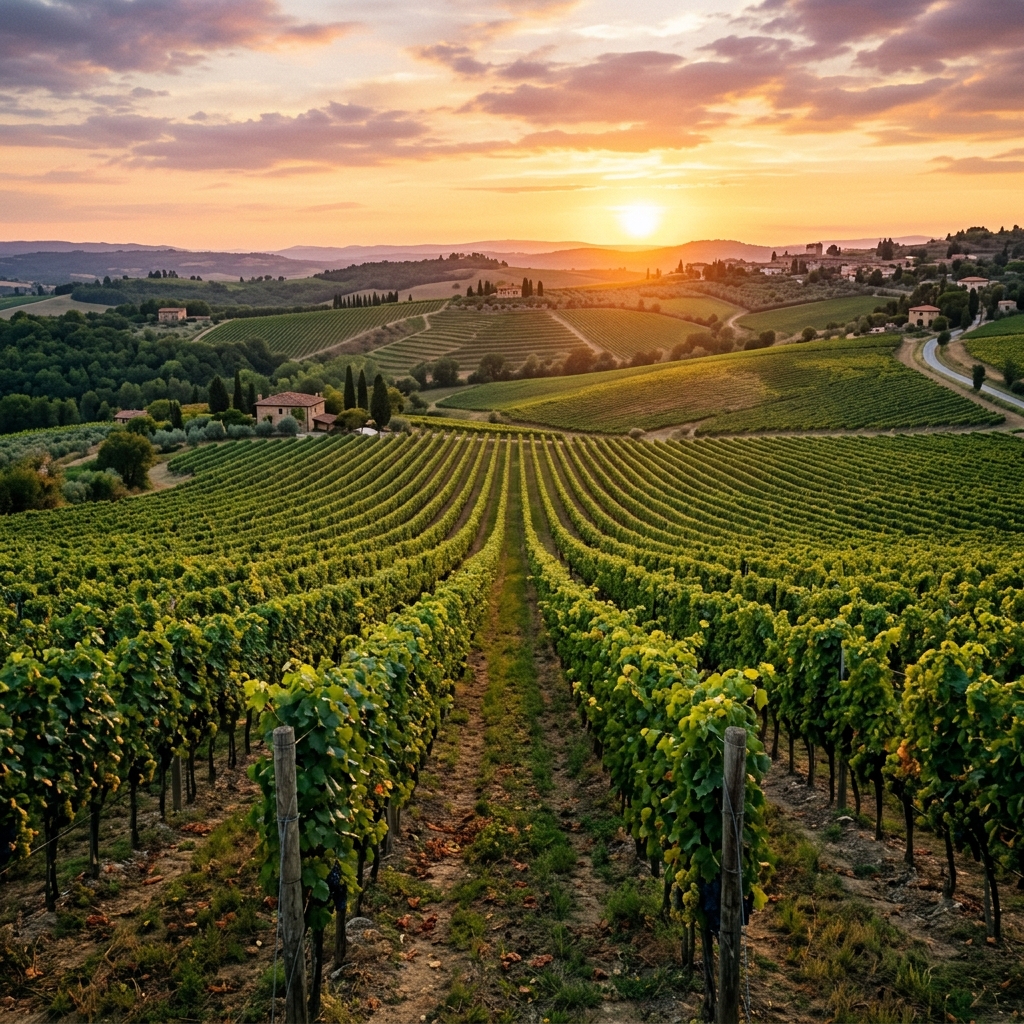
門多薩(Mendoza)生產了阿根廷超過 70% 的優質葡萄酒。背靠雄偉壯麗的安地斯山脈,葡萄園海拔高達 900 至 1600 米以上,純淨的高山融雪為這片半乾旱綠洲提供甘霖。強烈的日照紫外線促使馬爾貝克(Malbec)果皮生成極其濃密的深紫花青素,帶來成熟黑李、紫羅蘭、黑巧克力與絲絨般圓潤甘美的宏大酒體。
| 國家/產區 | ✦ 阿根廷 |
|---|---|
| 核心葡萄品種 | ✦ Malbec ✦ Bonarda ✦ Cabernet Sauvignon ✦ Torrontés ✦ Cabernet Franc |
| Flagship Grape | Malbec (over 85% of fine red plantings) |
| Production Volume | Generates more than 70% of Argentina’s total wine production |
| Vineyard Elevation | 800 meters to over 1,700 meters above sea level |
| Climate Trait | Continental rain-shadow desert (<200mm rain annually), 300+ days of brilliant sunshine |
| Thermal Amplitude | Diurnal temperature shift of 15°C to 20°C between blistering days and frigid Andean nights |
| Ideal Glassware | Full-bodied Bordeaux glass with generous bowl (Glass Guide) |
Mendoza is an astonishing green oasis sculpted out of an arid Andean desert. Fed by ancient canal networks carrying crystalline glacial runoff from Mount Aconcagua, Mendoza elevates viticulture closer to the sun than almost anywhere else on Earth.
The Four Signature Wine Styles of Mendoza
High-Altitude Malbec
Electric vibrancy: crushed violets, wild blueberry, chalky limestone minerals, fresh acidity, and fine, tensile tannins.
Malbec Guide →Classic Velvety Malbec
Opulent indulgence: dark black plum, sweet cocoa, vanilla pod, roasted espresso, and melted, seamless, sweet tannins.
Academy Malbec →Juicy Bonarda
Buoyant charm: ripe red cherries, black raspberries, subtle white pepper, and soft, silky, refreshing tannins.
Bonarda Guide →Perfumed Torrontés
Intoxicating floral bouquet: white jasmine, rose petals, lychee, and fresh lime with a crisp, bone-dry palate finish.
Spicy Pairing →Terroir & Soils of Mendoza: High Andes Altitude, Solar Radiation & Glacial Waters
Key Subregions of Mendoza
| Subregion & Valley | Elevation | Soils | Signature Profile & Benchmarks |
|---|---|---|---|
| Gualtallary (Tupungato, Uco) | 1,300–1,600 m | Calcareous sand over limestone gravel | Ultra-chalky, tension-filled Malbec and Cabernet Franc (Catena Zapata). |
| Paraje Altamira (San Carlos, Uco) | 1,050–1,200 m | Granitic stones with white calcium-carbonate | Laser-pure violet aromas, graphite, and mineral salinity. |
| Vistalba & Las Compuertas (Luján) | 950–1,100 m | Deep clay-loam on river stones | 100-year-old ungrafted vines producing legendary opulent Malbec. |
| Barrancas (Maipú) | 800–900 m | Stony gravel, warm | Dark, chocolaty, full-bodied Syrah and Cabernets. |
Sommelier Food & Wine Pairings
The intense UV radiation, Andean snowmelt freshness, and bold velvety tannins of Mendoza wines make them born partners for fire and smoke:
Argentine Asado & Ojo de Bife
High-altitude Uco Valley Malbec's energetic natural acidity and plush tannins dissolve charred beef fat and chimichurri herbs.
Steak Pairings →Spicy Beef Empanadas
Juicy old-vine Bonarda and Luján de Cuyo Malbec mirror cumin, smoked pimentón, and savory braised meat enveloped in flaky pastry.
Meat Pairings →Grilled Provoleta Cheese
Molten provolone cheese with red pepper flakes and herbs finds its master match in a chalky, tension-filled Gualtallary Cabernet Franc.
Cheese & Wine →Andean Locro Stew
Hearty Argentine corn, squash, and chorizo stew. Mature oak-aged Malbec elevates smoked pimentón and rich savory depths.
Stew & Meat Guide →Continue discovering iconic Southern Hemisphere regions: cross the Andes into Chile's Maipo Valley, explore Australia's historic Barossa Valley, or test your altitude terroir knowledge in the Wine Academy!
常見問題解答 (FAQ)
Why is high elevation so critical for Mendoza Malbec?
In an arid desert climate, elevation provides essential natural cooling. For every 100 meters gained in altitude, temperature drops by roughly 1°C. At 1,200 to 1,600 meters in the Uco Valley, grapes receive intense ultraviolet radiation (prompting vines to generate thicker skins dense in polyphenols and antioxidants) followed by frigid mountain nights that halt sugar development and preserve crisp, vibrating natural acidity.
What is the difference between Luján de Cuyo and the Uco Valley?
Luján de Cuyo (900–1,100 m) is the historic cradle of Malbec on alluvial clay-loam riverbanks; it yields rounder, fleshier, sweet-tannin wines with luscious blackberry jam, dark chocolate, and mocha.
Uco Valley (Valle de Uco, 1,100–1,700 m) is a newer, cooler Andean frontier with calcium-carbonate (caliche) coated gravels; its Malbecs are tighter, higher in acidity, marked by electric blueberry, crushed violets, and flinty chalk minerality.
What is Argentine Bonarda?
Bonarda is Argentina’s second most planted red grape after Malbec (genetically identical to the Savoie grape Corbeau / Charbono). It yields juicy, fruit-forward wines bursting with black cherry, plum, and silky, approachable tannins — the ultimate accompaniment to everyday grilled meats and pizza.