核心精華
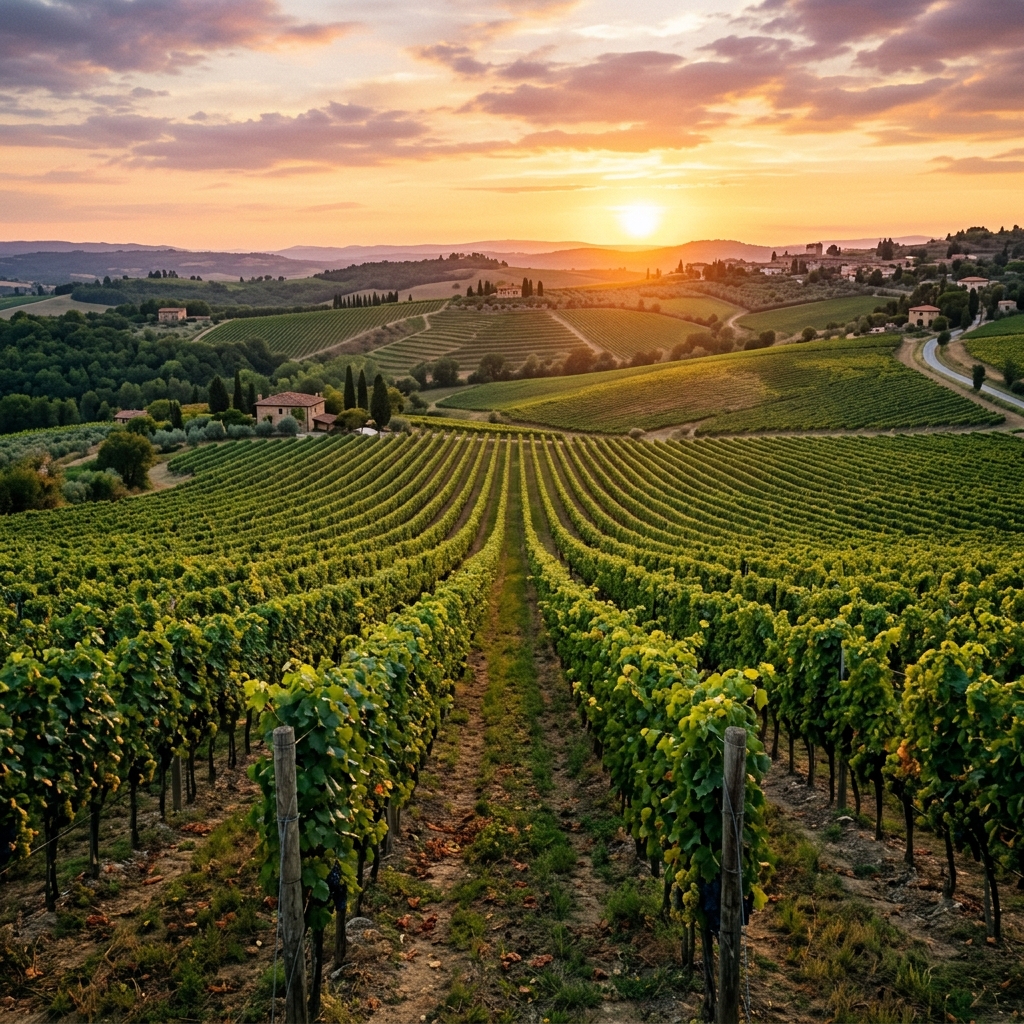
風土(Terroir)是源自法語的不可替代概念,指微氣候、地質岩層、土壤成分、微地形坡度朝向以及人類傳承千百年的種植釀造工藝所構成的綜合生態系統。它賦予葡萄酒無法在實驗室複製的地域印記與生命靈性。
風土數據矩陣
品酒羅盤 · 侍酒師核心摘要 | Term | Terroir (French viticultural concept) |
|---|---|
| Core Pillars | Soil, Climate, Topography, Human Tradition |
| Key Soil Types | Kimmeridgian limestone, slate/schist, gravel, volcanic basalt |
| Scale Levels | Macroclimate (region), Mesoclimate (slope), Microclimate (vine row) |
| Flagship Appellations | Burgundy (Climats), Mosel (Steep Slate), Barolo (Crus) |
Terroir in Wine
Terroir (from the French terre, meaning land or earth) is one of the most revered and debated philosophies in the fine wine universe. It asserts that a wine’s character is indelibly stamped by the specific parcel of earth where its vines took root.
The Four Pillars of Terroir
- Climate & Microclimate: Solar radiation, annual rainfall, diurnal temperature variations, and cooling winds (such as the Mistral in the Rhône or the Zonda in Argentina).
- Soil & Geology: Nutrient availability, water retention, and drainage properties. Limestone imparts crystalline acidity; gravel provides drainage and radiates heat; slate warms cool northern river valleys.
- Topography & Elevation: Slope gradient, altitude (dropping 1°C per 100m of elevation), and aspect (south-facing slopes capture vital morning or afternoon sun).
- Human Hand & Heritage (Savoir-Faire): Pruning methods, clonal selection, vine density, and historical cellar traditions developed across centuries.
常見問題解答 (FAQ)
Can you actually taste soil minerals directly in the wine?
Vines do not absorb mineral rocks directly into flavor molecules. What we perceive as 'minerality' or terroir character is a complex result of soil water drainage, root depth, vine stress, microbial life, and natural acid-phenolic balance.
Is terroir unique to Old World European wine regions?
No. While the concept originated in France, New World regions feature extraordinary terroir expressions — from the volcanic hillsides of Willamette Valley to the high-altitude alluvial fans of Mendoza (Uco Valley) and limestone benches in Central Otago.