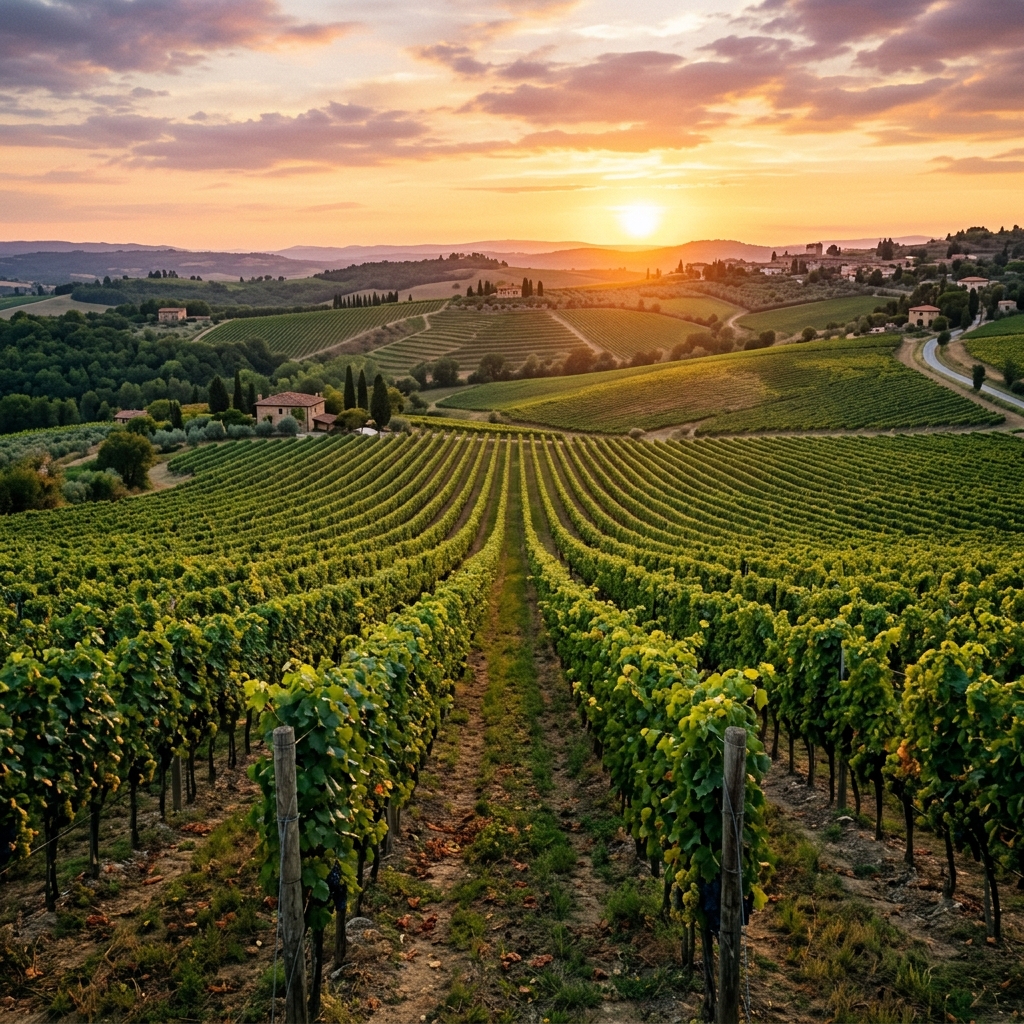
Tannins are naturally occurring polyphenol compounds extracted from grape skins, seeds, and oak barrels that produce a drying, astringent tactile sensation on the gums.
| Source | Grape skins, seeds, stems, and toasted oak casks |
|---|---|
| Sensory Sensation | Drying astringency and powdery grip on gums and inner cheeks |
| Low Tannin Varieties | Pinot Noir, Gamay, Barbera, Grenache |
| High Tannin Varieties | Cabernet Sauvignon, Nebbiolo, Tannat, Sagrantino |
Tannins are plant polyphenols extracted from grape skins, seeds, stems, and wooden aging casks.
On the palate, tannins produce a drying, astringent, tactile grip across your gums and inner cheeks, comparable to strong unsweetened black tea or an underripe persimmon. Tannin is not a flavor; it is a tactile texture.
Because white wines are pressed immediately before fermentation without skin contact, tannins are almost exclusively found in red and skin-contact orange wines.
Why Tannins Are Essential
- Structure: Tannins provide the physical skeleton that supports fruit flavors.
- Aging Potential: Over years in bottle, monomeric tannins polymerize into longer chemical chains, precipitating as sediment and becoming silky and velvety.
- Gastronomic Harmony: Dietary fats and animal proteins bind with tannins, which is why a tannic Cabernet Sauvignon tastes remarkably smooth and rounded when paired with a marbled steak.
Low-tannin reds: Pinot Noir, Gamay, Grenache.
High-tannin reds: Cabernet Sauvignon, Nebbiolo, Syrah, Tannat.
Frequently Asked Questions
Is 'dry wine' the same thing as 'tannic wine'?
No, these are entirely distinct concepts often confused by novices. 'Dry wine' legally means the absence of residual sugar (under 4 g/L). 'Tannic wine' refers to the tactile physical grip that dries out your gums. A crisp white wine can be bone-dry with zero tannins, while an off-dry red can still possess notable tannins.
How do you tell acidity from tannin sensation?
Pay attention to salivary response. Elevated acidity triggers immediate mouthwatering salivation, like biting into a lemon slice. Elevated tannins do the exact opposite: they bind with proteins in your saliva and create a dry, chalky, powdery friction on your gums and teeth.
Related Guides
Last updated: August 18, 2026