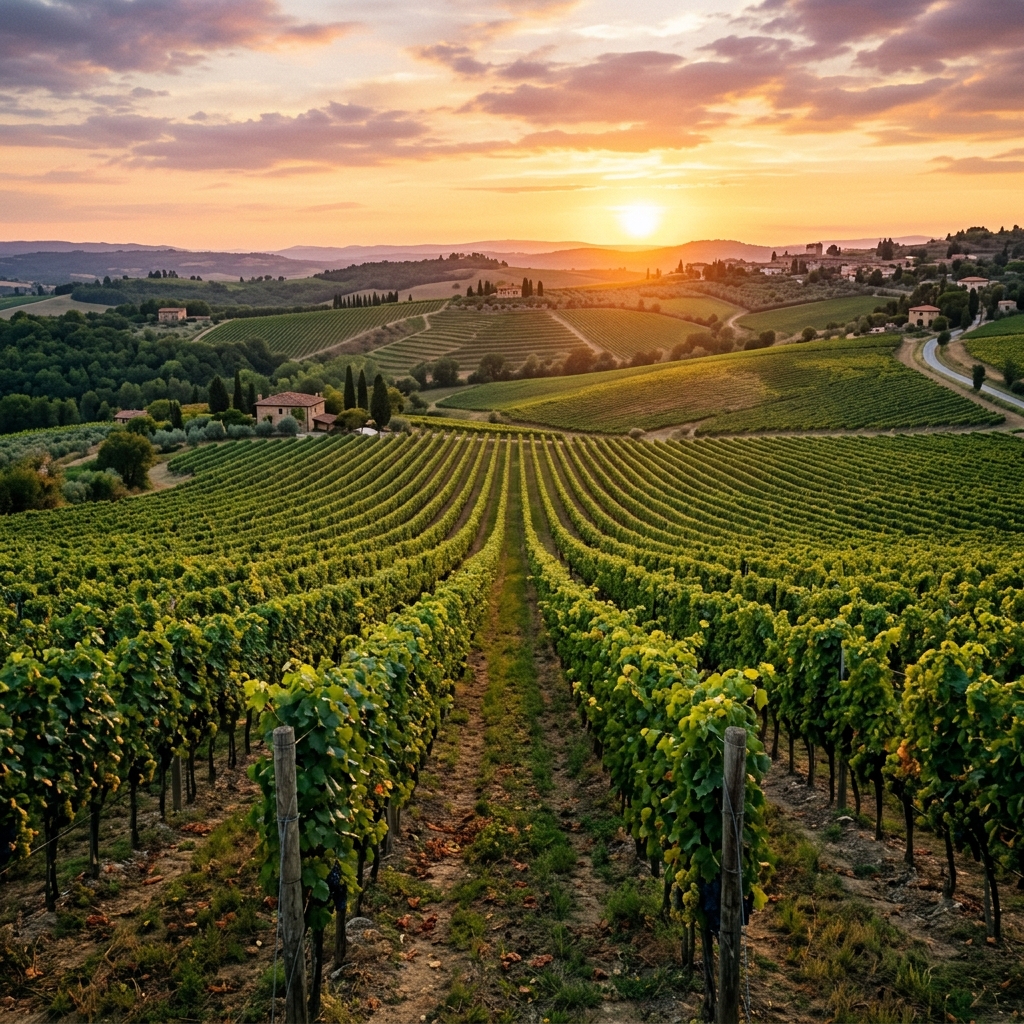
Swartland is the epicenter of South Africa's viticultural revolution and artisanal avant-garde, situated north of Cape Town amid the weathered granite of the Paardeberg and dramatic schist slopes of Kasteelberg. This rugged, arid landscape is world-renowned for old, dry-farmed bush vines that produce deeply textured Chenin Blanc (Steen) and savory, wild, Northern-Rhône-style Syrah spearheaded by the Swartland Independent Producers (SIP).
| 國家/產區 | ✦ 南非 |
|---|---|
| 核心葡萄品種 | ✦ chenin-blanc ✦ syrah ✦ grenache ✦ mourvedre |
| The 'Black Land' | Named after the indigenous renosterbos (rhinoceros bush), which turns pitch-black across the landscape during hot, arid summers |
| Ancient Bush Vines | Exceptional concentration of centenarian ungrafted bush vines certified under South Africa's prestigious Old Vine Project (OVP) |
| Strict Dry Farming | Virtually all top-tier vineyards receive zero artificial irrigation, forcing vine roots 10–15 meters deep into granite and schist fissures |
| The SIP Charter | Swartland Independent Producers mandate native yeasts, zero acidification, and strictly prohibit new oak flavoring |
| Serving Temperature | 16–18 °C for savory Syrah; 10–12 °C for textural old-vine Chenin Blanc (serving temperature guide) |
Swartland is the spiritual heart of South Africa’s modern fine-wine renaissance. Rolling northwards from Cape Town towards the rugged mountains of the interior, this vast tapestry of golden wheat fields, olive groves, and weathered granite hills was once dismissed as a sleepy agricultural backwater. Today, it stands at the forefront of global natural and artisanal viticulture, celebrated for its raw authenticity, ancient bush vines, and fiercely independent spirit.
Key Wine Styles of Swartland
Minimal intervention and dry-farmed heritage vines generate wines of striking purity, depth, and energy:
Swartland Terroir: Paardeberg Granite, Schist & Fynbos
The rugged geology and semi-arid Mediterranean climate shape Swartland’s low-yielding viticulture:
Main Grape Varieties of Swartland
| Grape Variety | Plantings Share | Flavour Profile | Regional Role |
|---|---|---|---|
| Chenin Blanc (Steen) | ~32% (White Monarch) | Baked apple, golden peach, beeswax, roasted almond, saline minerality | The crown jewel of South Africa, attaining true world-class prestige in Swartland |
| Syrah (Shiraz) | ~25% (Red Flagship) | Black cherry, kalamata olive, cracked black pepper, smoked bacon, violets | Backbone of the region’s critically acclaimed Rhône-style reds and blends |
| Grenache (Noir & Blanc) | ~14% (Mediterranean Gem) | Wild strawberry, pomegranate, white pepper, dried fynbos scrub, silky tannins | Thrives effortlessly in intense summer heat, offering lift and aromatic perfume |
| Cinsault | ~10% (Heritage Comeback) | Red cherry, rose petal, cranberry, cinnamon, delicate body, soft tannins | Historic variety from centenarian bush vines, producing luminous and fresh wines |
Sommelier Food Pairing Guide
Swartland’s textural, savory, and artisanal wines match sublimely with South African braai and spiced heritage cuisine:
South African Braai (Barbecue)
Spiced boerewors sausages, karoo lamb chops, and beef steaks grilled over indigenous wood coals fuse naturally with the peppery, savory soul of Swartland Syrah.
Steak Pairing Guide →Traditional Cape Bobotie
This iconic spiced minced meat bake with sultanas, turmeric, and savory egg custard finds its soulmate in old-vine Chenin Blanc's rich stone fruit and honeyed warmth.
Meat Pairing Guide →Crispy Roasted Pork Belly & Fennel
The waxy weight and mineral freshness of a multi-varietal Swartland white blend easily cut through decadent pork crackling and rich roasted juices.
Pork & Poultry →Cape Malay Prawn Curry
Fragrant coconut milk, turmeric, coriander, and fresh prawns balance with Chenin Blanc's ripe apricot profile and cleansing granitic cut.
Spicy Food Pairing →Expand your South African journey: visit the historic oak-lined estates of Stellenbosch, explore the Huguenot valley of Franschhoek, or test your sommelier knowledge in the Wine Academy Level 2!
常見問題解答 (FAQ)
What was the Swartland Revolution?
In the early 2000s, visionary winemakers including Eben Sadie (Sadie Family Wines), Chris Mullineux, and Adi Badenhorst recognized that Swartland's forgotten, low-yielding old bush vines were a treasure trove rather than cheap bulk material. Rejecting industrial additives, artificial irrigation, and heavily toasted new oak, they embraced spontaneous fermentation, concrete eggs, and ancient foudres, creating transparent, terroir-driven wines that took the international wine world by storm.
How does Swartland Chenin Blanc compare to the Loire Valley?
While Loire Valley Chenin Blanc (Vouvray, Savennières) is defined by piercing cool-climate acidity, green orchard fruit, and taut structural tension, Swartland Chenin Blanc from old bush vines grown on Paardeberg granite yields profound textural density. The palate reveals baked peach, quince paste, wild honey, beeswax, dried herbs, and flinty gunsmoke minerality, backed by mouthwatering natural freshness.
What makes Swartland Rhône-style reds so distinctive?
Rather than mimicking warm-climate Australian Shiraz with sweet jammy fruit and high alcohol, Swartland Syrah and GSM blends display the wild, savoury, and gamey tension of the Northern Rhône. Grown on decomposed granite and Malmesbury shale, they offer notes of cracked black pepper, kalamata olive tapenade, smoked bacon, fynbos scrub, and fresh graphite.
延伸閱讀推薦
- Stellenbosch RegionContrast Stellenbosch's aristocratic Cabernet heritage with Swartland's artisanal revolution
- Chenin Blanc GuideExplore South Africa's signature white variety from everyday freshness to age-worthy icons
- Syrah (Shiraz) GuideDiscover why Swartland Rhône blends are ranked among the most exciting reds on earth
- Academy Exam (Level 2)Test your knowledge on South African Wine of Origin (WO) districts and old-vine viticulture