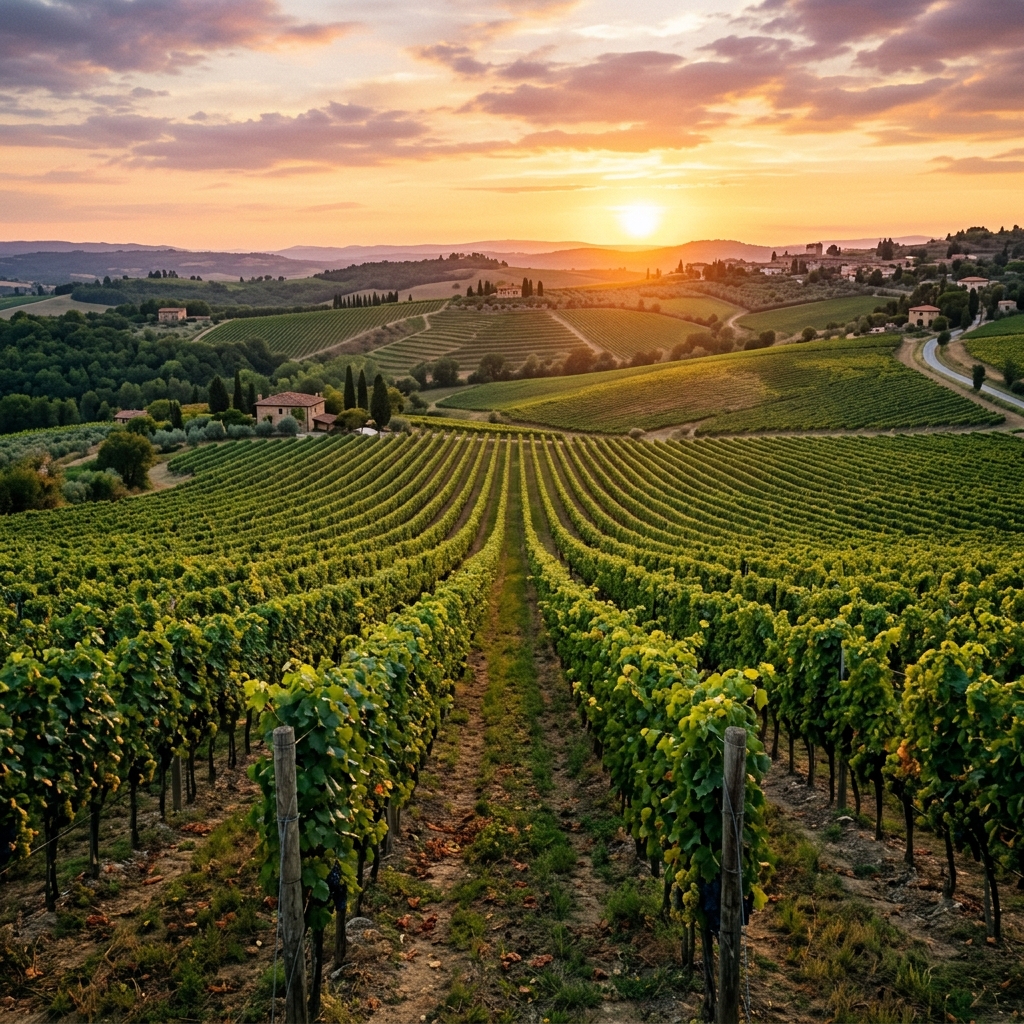
Franschhoek ('French Corner') is South Africa's most breathtaking and gastronomic wine valley, framed by the towering granite peaks of the Drakenstein and Franschhoek mountains. Settled in 1688 by French Huguenot refugees, the valley is universally celebrated as the capital of traditional-method Méthode Cap Classique (MCC) sparkling wines, custodian of century-old bush-vine Semillon, and producer of structured, elegant Cabernet Sauvignon and Syrah.
| 國家/產區 | ✦ 南非 |
|---|---|
| 核心葡萄品種 | ✦ semillon ✦ cabernet-sauvignon ✦ chardonnay ✦ syrah |
| 1688 Huguenot Legacy | 270 French Protestant refugees fled to the Olifantshoek valley, introducing traditional French viticulture and naming it Franschhoek |
| Capital of Cap Classique | South Africa's premier hub for Méthode Cap Classique (MCC), crafted via strict traditional secondary bottle fermentation and extended lees aging |
| Century-Old Semillon | Home to some of the world's oldest ungrafted bush-vine Semillon plantings (dating from 1902 to 1936), including the rare red-skinned Semillon Gris |
| Culinary Epicenter | Renowned as the culinary capital of the Cape Winelands, boasting world-acclaimed fine dining alongside historic cellars |
| Serving Temperature | 6–8 °C for sparkling Cap Classique; 10–12 °C for complex heritage Semillon; 16–18 °C for mountain Cabernet (serving temperature guide) |
Franschhoek is one of the world’s most romantic, dramatic, and distinguished wine sanctuaries. Located just an hour from Cape Town, this enclosed alpine valley is surrounded on three sides by sheer granite cliffs of the Drakenstein and Franschhoek ranges. Here, centuries-old French winemaking savoir-faire fuses with the ancient soils of the Cape, creating an unparalleled haven of fine wine and gastronomy.
Key Wine Styles of Franschhoek
The valley’s protected mountain amphitheater supports both sparkling finesse and cellar-worthy red power:
Franschhoek Terroir: Granite Amphitheater & The Berg River
The dramatic geography of the valley insulates it from extreme continental heat:
Main Grape Varieties of Franschhoek
| Grape Variety | Plantings Share | Flavour Profile | Regional Role |
|---|---|---|---|
| Semillon | ~18% (Historic Relic) | Beeswax, lanolin, dried citrus, lemongrass, hazelnut, extraordinary ageability | The valley’s legendary heritage, producing critically revered, profound whites |
| Cabernet Sauvignon | ~28% (Red Benchmark) | Blackberry, blackcurrant, cedar, graphite, dark cocoa, refined architectural tannins | Forms the structural core of estate flagships and collectible Bordeaux blends |
| Chardonnay | ~20% (White Aristocrat) | Lemon curd, green orchard fruit, brioche, crushed flint, toasted vanilla | Critical cornerstone of sparkling Cap Classique and expressive single-vineyard cuvées |
| Syrah | ~15% (Spicy Finesse) | Black cherry, cured meats, white pepper, wild violet, fine-grained tannins | Delivers a cooler, more perfumed expression than the arid Swartland interior |
Sommelier Food Pairing Guide
Franschhoek’s position as the culinary capital of the Cape creates natural alignment between cellar and plate:
Saldanha Bay Oysters & Cap Classique
Freshly shucked coastal oysters with lemon pearls harmonize seamlessly with the brioche complexity and laser-clean mousse of Franschhoek MCC.
Seafood Guide →Truffled Beef Fillet & Mountain Cabernet
Polished tannins, cedar, and graphite notes in estate Cabernet Sauvignon effortlessly wrap around tender beef tenderloin and truffle jus.
Steak Pairing Guide →Roast Quail with Sage & Old-Vine Semillon
The waxy weight, dried citrus, and herbal nuances of century-old Semillon marry impeccably with succulent roasted game bird and butter sauce.
Poultry & Game →Artisan Brie & Oaked Chardonnay
The creamy texture and lemon-brioche tones of barrel-aged Chardonnay melt smoothly into rich, bloomy-rind artisan cheese.
Cheese Pairing Guide →Expand your exploration of South African wines: discover the revolutionary bush vines of Swartland, visit the historic grand estates of Stellenbosch, or take the sommelier assessment in the Wine Academy Level 2!
常見問題解答 (FAQ)
Why is Franschhoek called the 'French Corner' of South Africa?
In 1688, following the revocation of the Edict of Nantes by Louis XIV, French Protestant Huguenots fled persecution and arrived in the Dutch Cape Colony. Simon van der Stel granted them land along the Berg River. The settlers planted European vine cuttings, introduced classic blending know-how, and bestowed their estates with enduring French names like La Motte, Chamonix, and Haute Cabrière.
What is Méthode Cap Classique (MCC)?
Méthode Cap Classique is South Africa's premium designation for sparkling wines produced according to the traditional Champenoise method. The wine undergoes secondary fermentation in the bottle and must spend a minimum of 12 months on yeast lees (36 months for Prestige cuvées). Franschhoek is the historical cradle and headquarters of the Cap Classique Producers Association.
What makes Franschhoek's old-vine Semillon so extraordinary?
In the 1820s, Semillon (locally known as Groendruif) accounted for over 90% of all Cape vineyards. While most vines were grubbed up in the 20th century, Franschhoek safeguarded precious, gnarly bush vines planted on their own roots between 1902 and 1936. These ancient plots produce wines of haunting complexity: lanolin, honeycomb, dried citrus peel, sage, roasted hazelnut, and immense aging potential.
延伸閱讀推薦
- Stellenbosch RegionExplore Franschhoek's neighbor, the historic powerhouse of Stellenbosch
- Champagne RegionCompare the French benchmark of Champagne with South Africa's Méthode Cap Classique
- Cabernet Sauvignon GuideUnderstand the structure and graphite minerality of high-elevation Cape Cabernet
- Academy Exam (Level 2)Test your knowledge on traditional sparkling methods and Western Cape terroirs