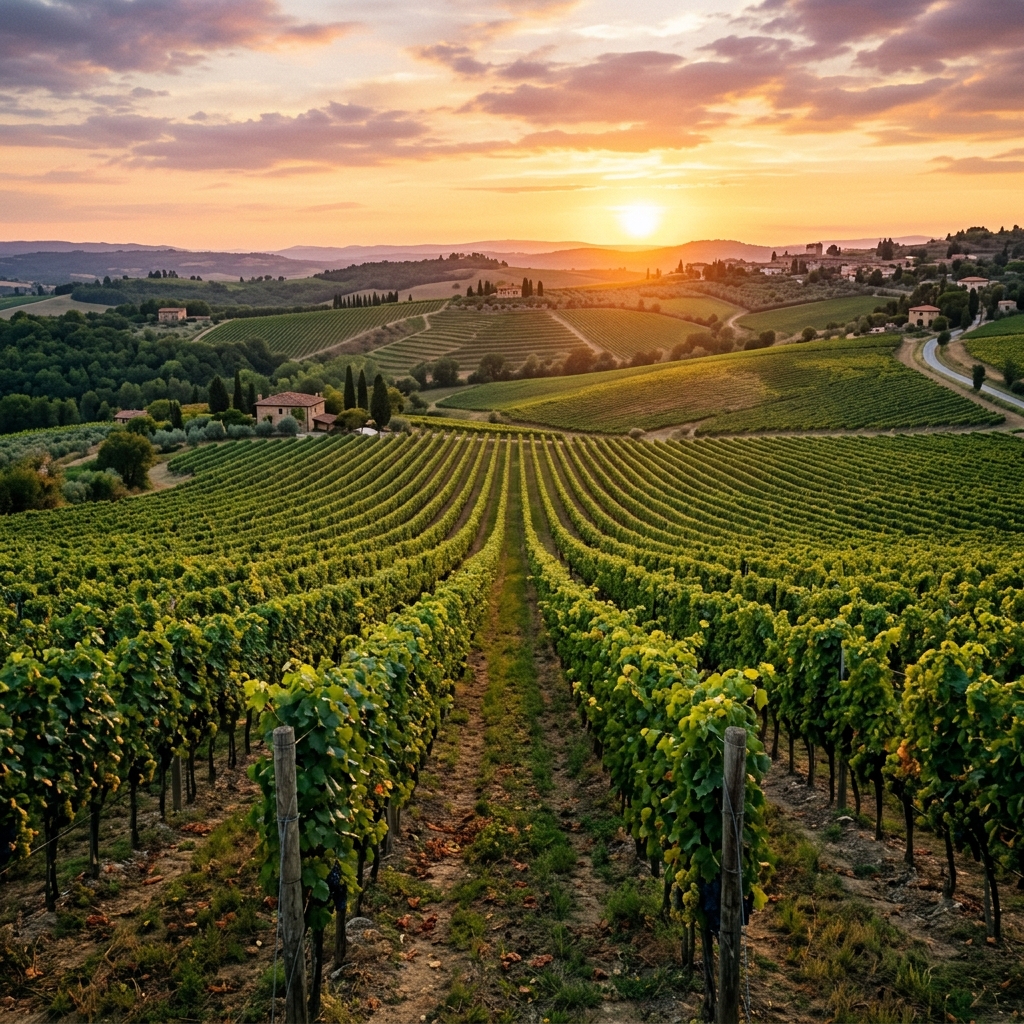
Dagestan and ancient Derbent represent Russia's southernmost, sunniest, and most ancient viticultural frontier, set along the western shore of the Caspian Sea at the foot of the Greater Caucasus. Winemaking here spans over 2,000 years. Today, Derbent is enjoying a dramatic renaissance: on unique sandy shell-rock terraces, ultra-modern gravity wineries craft crisp sparkling wines by both Charmat and traditional methods, mineral-driven Rkatsiteli and Sauvignon Blanc, while reviving the rare ancient native grape Narma.
| 國家/產區 | ✦ 俄羅斯 |
|---|---|
| 核心葡萄品種 | ✦ rkatsiteli ✦ chardonnay ✦ sauvignon-blanc ✦ cabernet-sauvignon ✦ merlot |
| Russia's Southernmost Wine Region | Derbent vineyards sit at 42° North latitude — sharing the same parallel with Rome, Barcelona, and northern Portugal |
| 2,000+ Years of Winemaking | Derbent is one of Russia's oldest cities; stone wine presses by the UNESCO Naryn-Kala fortress confirm continuous ancient viticulture |
| Shell-Sand Maritime Terroir | Ancient Caspian soils are rich in crushed seashell rock, calcium, and silica, imparting signature saline crispness to whites and sparkling wines |
| Derbent Sparkling Revolution | Ultra-modern gravity wineries equipped with advanced Italian temperature-controlled tanks reestablished Derbent as the sparkling capital of the Caspian |
| Indigenous Star — Narma | Ancient Southern Dagestan native grape bearing golden-pink clusters, fragrant with white mulberry, quince, and wild mountain herbs |
| Serving Temperature | 6–8 °C for Caspian Brut; 16–18 °C for velvety Caucasian red blends (serving temperature guide) |
Dagestan and historic Derbent form the southern gateway of Russia and one of the most culturally evocative terroirs in the Caucasus. Positioned along the blessed 42nd parallel north by the turquoise waters of the Caspian Sea, Derbent has hosted Roman legions, Persian shahs, and Great Silk Road merchant caravans who revered the region’s luscious nectar for centuries. Today, the area is experiencing a breathtaking modernization: historic vineyard terraces are revitalized, and cutting-edge gravity estates craft some of the nation’s most exciting sparkling and mineral-driven wines.
Key Wine Styles of Dagestan
Nurtured by the Caspian Sea and Caucasian foothills, the region expresses four hallmark styles:
Caspian Brut
Chardonnay, Riesling, and Pinot Noir: crisp green apple, white peach, lemongrass, subtle saline tang, and persistent, refreshing bubbles.
Serve at 6–8°C →Rkatsiteli & Sauvignon Blanc
Electric mineral clarity: yellow plum, wild meadow grass, grapefruit zest, crushed flint, and a vibrant, mouthwatering finish.
Pair with Sturgeon & Fish →Narma
Rare Caucasian perfume: white mulberry, baked quince, rosehip petals, dried apricot, almond paste, and subtle, spicy grip.
Pair with Chudu & Pastries →Cabernet & Merlot
Generous, sunny warmth: ripe blackcurrant, wild blackberry jam, sweet tobacco, licorice root, and plush, rounded southern tannins.
Pair with Shashlyk →Terroir and Soils of Dagestan: Caspian Sands, Shell-Rock and Caucasus Foothills
Key Subregions of Dagestan and Their Grape Varieties
| Grape Variety / Subzone | Soil & Geology Profile | Wine Style & Specialization | Iconic Producers |
|---|---|---|---|
| Coastal Derbent & Gedzhukh | Shell-sand terraces, clay loam | Method Charmat & traditional sparkling, crisp Rkatsiteli, Chardonnay | Derbent Wine Company (Derbent Vino), DZIV |
| Foothill Dagestan (Tabasaran) | Calcareous loam, eroded marl | Vibrant, mineral dry whites, Sauvignon Blanc, Riesling | Derbent Vino, Kizlyar Cellars |
| Yuzhno-Sukhokumsk & Kizlyar | Alluvial sandy river plains | Historic grape brandies, fortified wines, aged dessert cuvées | Kizlyar Brandy Factory (KKZ), Derbent Brandy Factory |
| Samur Delta Forest Micro-zone | Humid alluvial & woodland loam | Indigenous Narma, fresh rosés, and light, fruit-forward reds | Artisan Winemakers of Southern Dagestan |
Sommelier Food Pairing Guide
Caspian wines pair effortlessly with aromatic Caucasian feasts and rich Dagestani culinary heritage:
Chudu Pastries with Herbs & Cheese
Hot, paper-thin chudu stuffed with mountain wild greens and fresh curd cheese are brilliantly refreshed by a flute of crisp Derbent Brut.
Appetizer Guide →Caspian Sturgeon & Zander
Spit-roasted wild sturgeon or delicate zander fillet served with tart pomegranate molasses pairs effortlessly with a dry, mineral Rkatsiteli.
Fish Pairing Guide →Mountain Lamb Shashlyk
Wood-grilled skewers of tender young lamb dusted with sumac find their ideal mate in the plump, velvety tannins of Derbent Cabernet or Merlot.
Shashlyk Guide →Sheep Cheeses & Dried Beef
Piquant Dagestani sheep milk cheese and air-cured mountain beef sausages (basturma) harmonize gracefully with the ancient autochthon Narma.
Cheese & Snack Guide →常見問題解答 (FAQ)
What makes the microclimate and soils of Derbent so distinct?
The Derbent terroir is cradled between the rugged peaks of the Greater Caucasus and the expansive Caspian Sea. The sea serves as a massive natural thermal heat sink: daytime sea breezes buffer intense summer heat, while releasing stored warmth during autumn nights to prevent frost risks. Soils consist of deep chestnut loams interspersed with ancient shell-sand deposits. High potassium and marine mineral concentrations prevent phylloxera while locking in vibrant natural freshness even under intense southern sunshine.
What sensory character defines the ancient Narma grape?
Narma is an ancient indigenous variety cultivated for centuries around Derbent and the mountain village of Gedzhukh. It features handsome conical grape bunches with thick skins displaying an amber-pink blush. Wines crafted from Narma offer a distinctive oriental perfume of dried quince, white mulberry, linden blossom, dried apricot, and bitter almond, presenting a gentle texture and an elegant, mildly tannic spice finish.
Why has Derbent emerged as a hub for premier sparkling wine?
The harmonious confluence of early morning Caspian breezes, calcareous limestone soils, and carefully selected grape varieties (Chardonnay, Riesling, Pinot Noir) preserves high natural acidity alongside moderate sugars. Modern regional producers (such as Derbent Wine Company) utilize gentle gravity presses and precision fermentation tanks calibrated to tenths of a degree, yielding vibrant, crystalline sparkling wines that compete on the global stage.
延伸閱讀推薦
- Chardonnay Variety GuideDiscover how the classic white variety takes on striking saline minerality along the Caspian Sea
- Wine & Shashlyk Pairing GuideMaster pairings for juicy charcoal-grilled Caucasian lamb with structured reds
- Sparkling Wine GlassesHow the tulip bowl design preserves fine perlage in Caspian sparkling wines
- Academy Exam Level 1Test your foundational understanding of wine styles, serving temperatures, and tasting steps