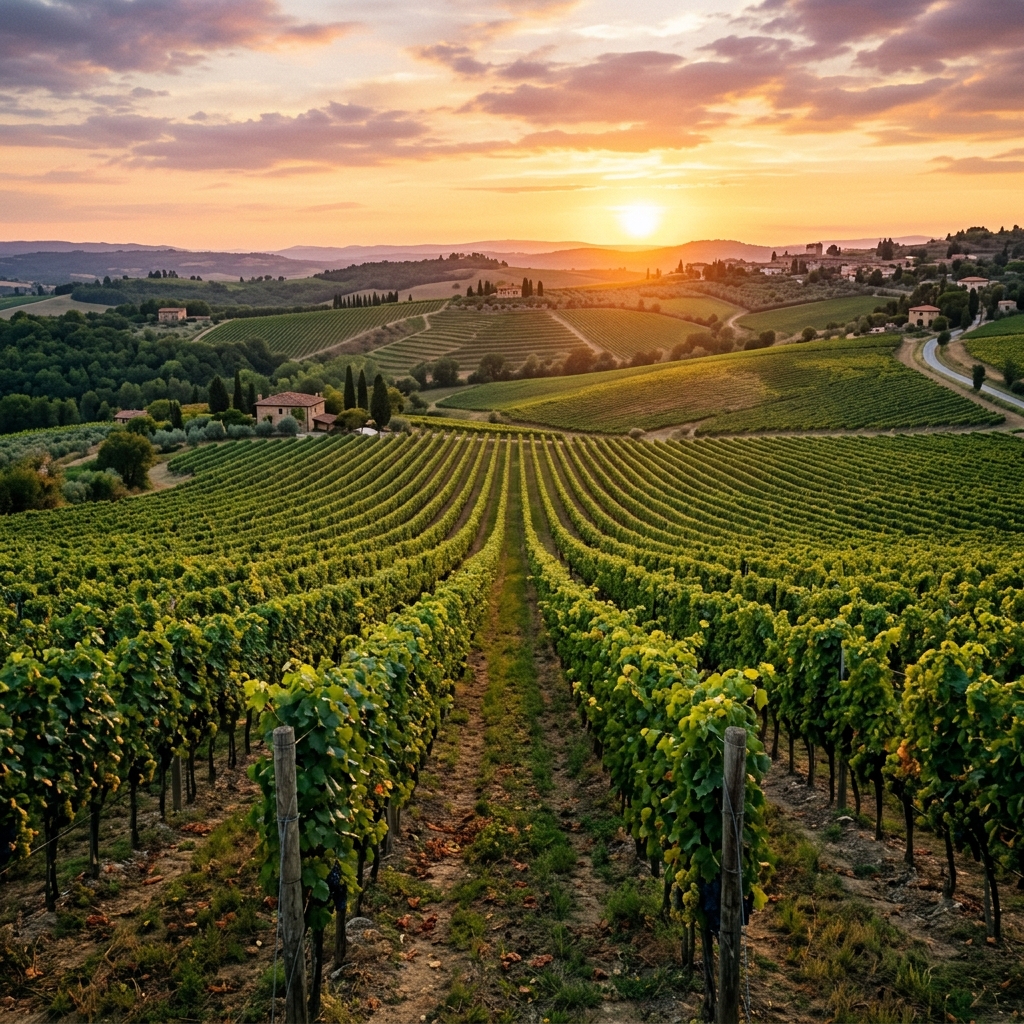
Vinho Verde is Portugal's lush, Atlantic-influenced region nestled in the northwest province of Minho. Far from meaning 'green-coloured wine', the name signifies youth and vitality. Here on ancient granite soils cooled by salty ocean breezes, winemakers craft vivacious, thirst-quenching whites with a gentle touch of natural spritz (pétillance), as well as cellar-worthy, textural, and mineral single-varietal Alvarinho masterpieces in the northern enclave of Monção e Melgaço.
| Country | ✦ Portugal |
|---|---|
| Key Grapes | ✦ alvarinho ✦ loureiro ✦ trajadura ✦ avesso |
| Portugal's Wettest Corner | Hyper-maritime climate with direct Atlantic storm exposure yielding up to 1,500–2,000 mm of annual rainfall |
| The Meaning of 'Verde' | Denotes youth, exuberance, and release within the first year of vintage, as opposed to aged mature wines (maduro) |
| Historic Trellising | Traditional high pergolas (ramadas) hoisted canopies 2–3 meters above ground to encourage airflow and prevent fungal rot |
| Monção e Melgaço Crown | Protected microclimate bordering Spain, celebrated globally for concentrated, peach-scented, ageworthy Alvarinho |
| Serving Temperature | 6–8 °C for light, spritzy traditional blends; 9–11 °C for artisanal varietal Alvarinho (serving temperature guide) |
Vinho Verde is one of the world’s most vibrant and distinctive wine territories, blanketing the emerald valleys of the Minho, Lima, Cávado, and Ave rivers in northwestern Portugal. Here, where the Atlantic Ocean sweeps across the coastline with cooling squalls and maritime mists, viticulture takes on an invigorating character — crystal-clear, mouthwatering, and imbued with the salty kiss of the sea.
Key Wine Styles of Vinho Verde
Modern Vinho Verde spans far beyond simple porch-sippers, offering an accomplished range of expressions:
Vinho Verde Terroir: Atlantic Ocean, Granite & River Valleys
Climate and geology combine to make the Minho province the coolest, wettest viticultural corner of the Iberian Peninsula:
Main Grape Varieties of Vinho Verde
| Grape Variety | Plantings Share | Flavour Profile | Regional Role |
|---|---|---|---|
| Alvarinho | ~18% (White Royalty) | White peach, passion fruit, honeysuckle, lemon curd, flinty minerality | Star grape of the north, capable of extraordinary depth, texture, and cellaring |
| Loureiro | ~30% (Aromatic Leader) | Linden flower, bay laurel, orange peel, crisp Bartlett pear, linear acidity | Heart of the Lima Valley, celebrated for its seductive floral perfume |
| Trajadura | ~20% (Body & Roundness) | Golden apple, white pear, peach blossom, gentle acidity, rounded mouthfeel | Provides approachable flesh and alcohol balance to traditional blends |
| Avesso | ~15% (Southern Muscle) | Ripe stone fruit, bitter almond, toasted smoke, higher natural alcohol | Flagship of southern subregions like Baião, ideal for gastronomic pairings |
Sommelier Food Pairing Guide
Vinho Verde is universally acclaimed by sommeliers as one of the world’s most versatile companions to fresh seafood and lighter fare:
Sardinhas Assadas (Grilled Sardines)
Smoky, oily fresh sardines sizzling directly off charcoal grills crave the thirst-quenching, citrus-driven acidity and prickle of youthful Vinho Verde.
Fish Pairing Guide →Polvo à Lagareiro (Roast Octopus)
Tender roasted octopus drizzled with warm garlic-infused extra virgin olive oil aligns brilliantly with the fleshy stone fruit and creamy weight of fine Alvarinho.
Appetizers & Tapas →Atlantic Oysters & Prawns
Briny freshly shucked oysters and crisp Loureiro with granitic minerality deliver a timeless sensory celebration of the Atlantic coast.
Seafood Guide →Vietnamese Summer Rolls & Ceviche
Crisp red fruit notes and sparkling effervescence cleanse the palate between spicy bites of fresh chilli, coriander, and lime juice.
Spicy Food Pairing →Continue your Iberian wine journey: head south to the rolling golden plains of Alentejo, explore the dramatic schist terraces of the Douro Valley, or take our sommelier assessment in the Wine Academy Level 2!
Frequently Asked Questions
Why is it called 'Vinho Verde' (Green Wine)?
The moniker 'Verde' refers to the wine's youthful vitality rather than its colour (though young wines often display faint green reflections). In Portuguese wine culture, it is the deliberate opposite of vinho maduro (mature, barrel-aged wine). Vinho Verde is released promptly to capture tingling natural acidity, mouthwatering orchard fruit, and crisp energy.
Where does the slight effervescence in Vinho Verde come from?
Historically, the slight prickle of bubbles (aguja or pétillance) occurred spontaneously due to secondary malolactic fermentation inside the bottle. In contemporary cellars, winemakers halt malolactic conversion to preserve bright fruit clarity and intentionally inject a microscopic touch of dissolved CO₂ at bottling to enhance freshness and vivacity.
What makes Monção e Melgaço Alvarinho so distinct?
Monção e Melgaço is a sheltered subregion along the southern bank of the Minho River facing Spanish Galicia. Flanked by mountain ranges that shield it from excessive Atlantic downpours, it enjoys warmer, drier conditions. This allows the noble Alvarinho grape to reach complete phenolic ripeness, yielding structured, stone-fruit-driven, and intensely mineral wines with impressive 10+ year cellaring potential.
Related Guides
- Galicia & Rías BaixasCompare Portuguese Alvarinho with Spanish Albariño across the Minho River
- Wine & Seafood PairingWhy the electric acidity of Vinho Verde is the sommelier standard for oysters and grilled prawns
- Sauvignon Blanc GuideContrast the herbal, grassy punch of Sauvignon with the floral minerality of Loureiro
- Academy Exam (Level 2)Test your knowledge on maritime European terroirs and indigenous white grapes