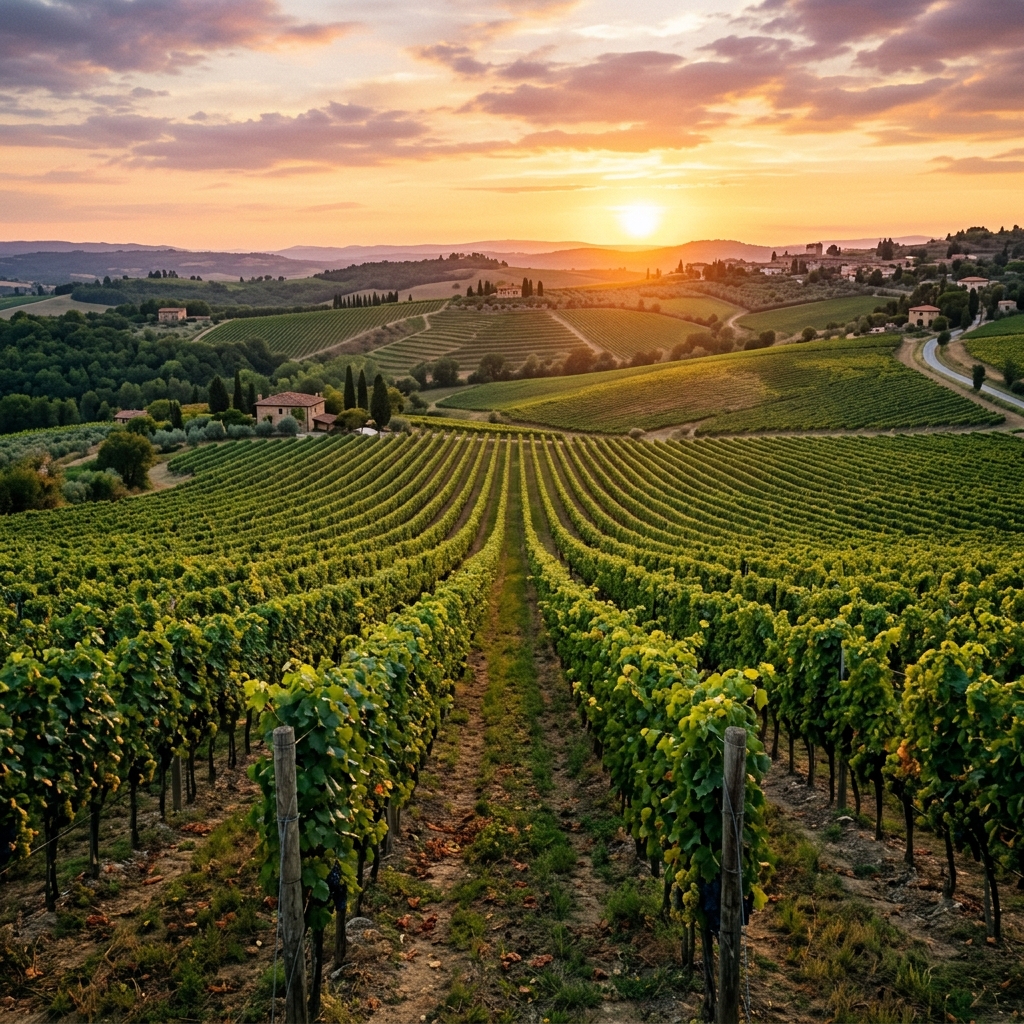
Pair spicy food with chilled, low-alcohol, off-dry aromatic white wines (German Riesling, Gewürztraminer) or fruity rosés. Natural sweetness cools capsaicin burn, while alcohol under 12.5% prevents painful burning.
| Recommended Grapes | Riesling Gewürztraminer Rosé Wines |
|---|---|
| Thai green curry / Tom Yum | Off-dry German Riesling (Kabinett/Spätlese) or Gewürztraminer |
| Indian butter chicken / Tikka Masala | Off-dry Riesling, aromatic Viognier, or ripe fruity Rosé |
| Mexican tacos with spicy salsa | Crisp Cava Brut, dry Rosado, or fruity New World Pinot Noir |
| Sichuan chili & peppercorns | Semi-sweet Riesling or sparkling Moscato d'Asti |
| Dangerous mistake | 15% ABV Cabernet Sauvignon — alcohol acts like gasoline on chili fire |
Pairing wine with spicy food is one of the greatest tests of sommelier understanding. While amateur dinner hosts mistakenly open bold, high-alcohol reds like Cabernet Sauvignon, science demonstrates that alcohol and tannins weaponize chili heat into an uncomfortably painful burn.
The Chemistry of Capsaicin & Alcohol
- TRPV1 Receptor Activation: Capsaicin stimulates the heat-sensing nerve endings on your tongue. Alcohol lowers the activation threshold of these same receptors: high-alcohol wine makes warm spices feel scorchingly hot.
- Tannin Aggression: Astringent tannins amplify heat and bitterness, turning delicate spices harsh and scratchy.
- The Sugar Antidote: Capsaicin is fat-soluble and sugar-soluble. Residual grape sugar (RS) coats pain receptors, cooling the chili burn and allowing the complex spices of the dish to shine.
Top Wine Styles: What to Reach For
- Off-Dry German Riesling (Kabinett, Feinherb): The undisputed gold standard. Natural residual sugar snuffs out chili heat, bracing acidity cleanses the palate, and modest alcohol (8–10% ABV) never flares.
- Alsace Gewürztraminer: Its exotic profile of lychee, rosewater, ginger, and Turkish delight mirrors aromatic curry spices.
- Italian Moscato d’Asti: At just 5% ABV with luscious grape sweetness and gentle spritz, it effortlessly handles extreme chili heat.
- Demi-Sec Sparkling Wine: Effervescent bubbles lift grease while off-dry sweetness tames spice.
- Off-Dry Rosé: A versatile bridge for tables with mixed spicy and non-spicy dishes.
Red Wine Caution: Low Tannins & Chilled Serving
If you must drink red wine with spicy cuisine, proceed with extreme care:
- Choose Light, Low-Tannin Reds: Cru Beaujolais (Gamay), young Grenache, or Lambrusco Secco.
- Serve Well Chilled (12–14 °C): Cooler temperatures soothe fiery capsaicin.
- Strictly Avoid Heavy Reds: Cabernet Sauvignon, Syrah, and Barolo will taste aggressively bitter, metallic, and harsh.
Master Pairings by Global Cuisine
1. Thai Cuisine (Green Curry, Pad Thai, Tom Yum)
- Top Picks: Off-dry German Riesling (Feinherb or Kabinett) or Alsace Gewürztraminer.
- Why it works: Lemongrass, galangal, kaffir lime, and fiery bird’s eye chilies find supreme balance in Riesling’s natural sweetness and aromatic ginger/lychee perfume.
2. Indian Curries (Tikka Masala, Korma, Vindaloo)
- Top Picks: Off-dry Riesling, floral Viognier, or off-dry Rosé.
- Why it works: Rich ghee butter, cream, cumin, turmeric, and cardamom demand wines with aromatic intensity and moderate sweetness to bridge intense spice blends.
3. Mexican Street Tacos (Al Pastor, Carne Asada, Salsa Verde)
- Top Picks: Crisp Spanish Cava, dry Provençal Rosé, or fruity Pinot Noir.
- Why it works: Tangy tomatillo salsa, cilantro, and lime juice require brisk citrus acidity, while carbonated bubbles cleanse the palate between rich bites of pork or beef.
4. Sichuan Cuisine (Mapo Tofu, Kung Pao, Dan Dan Noodles)
- Top Picks: German Riesling Spätlese or sparkling Italian Moscato d’Asti.
- Why it works: Numbing Sichuan peppercorns (hydroxy-alpha-sanshool) create an electric tingling sensation on the lips that dissolves delightfully into chilled, aromatic, sweet bubbles.
Sommelier Rule of Thumb: The Heat-to-Sweet Ratio
The spicier the dish, the sweeter, lighter, and colder the wine should be. When in doubt against fiery food, reach for Moscato d’Asti: its 5% ABV and pure grape sweetness will conquer any chili spice on earth.
Grape Varieties for This Dish
Click on a grape to view its full sensory profile, tannin level, and acidity scale:
The sommelier's supreme darling: razor-like acidity, crystalline fruit purity, and legendary 30-year aging potential.
The most flamboyant aroma in the wine world: damask rose, ripe lychee, and candied ginger. You either fall in love or find it overwhelming.
Neither red nor white: brief skin contact extracts pure berry aromas, refreshing acidity, and peerless versatility at the summer dining table.
Frequently Asked Questions
Why does high-alcohol red wine burn with spicy food?
Capsaicin (the chemical compound that makes chilies hot) binds to TRPV1 pain and heat receptors on your tongue. Alcohol stimulates the exact same heat receptors, lowering their temperature threshold. When you drink high-alcohol (14–15% ABV) wine with spicy food, alcohol pours fuel on the fire, turning pleasant spice into intense physical pain and stripping the wine of all fruit.
Why is off-dry Riesling the universal sommelier solution for Asian cuisine?
Riesling provides the two ultimate antidotes to chili heat: (1) Natural residual grape sugar, which physically coats the tongue and neutralizes lipid-soluble capsaicin; and (2) Electrifying natural acidity that cuts through coconut milk, sesame oil, and deep-fried textures while keeping the palate refreshed.
Can you drink red wine with spicy Mexican food?
Only if the wine has low tannins, low alcohol, and generous sweet fruit flavors — such as a young Beaujolais (Gamay), Austrian Zweigelt, or lightly chilled California Pinot Noir. Avoid oak-heavy, high-tannin reds at all costs.
Related Guides
Last updated: August 2, 2026