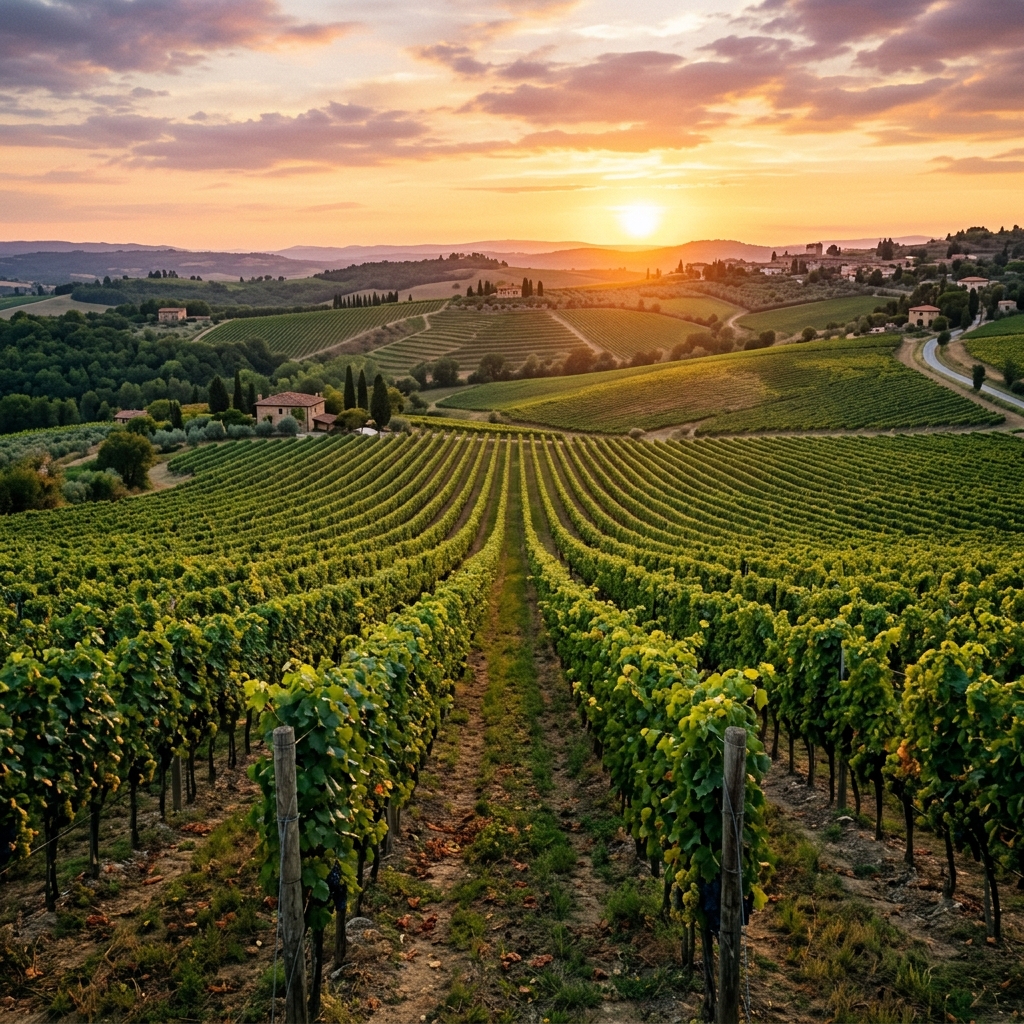
For delicate white fish sushi choose mineral, unoaked whites (Grüner Veltliner, Chablis, dry Riesling). For rich salmon and tuna rolls, opt for dry Rosé, Champagne Brut, or light Pinot Noir.
| Recommended Grapes | Grüner Veltliner Riesling Albariño |
|---|---|
| White fish nigiri (Snapper, Sea Bass) | Austrian Grüner Veltliner, Chablis, Muscadet |
| Salmon & Tuna rolls | Dry Rosé, Champagne Brut, or light Pinot Noir |
| Spicy Tuna / Sriracha mayo rolls | Off-dry German Riesling (Kabinett) or sparkling Cava |
| Unagi (Eel with sweet sauce) | Cru Beaujolais, light Pinot Noir, or off-dry Vouvray |
| Taboo | High-tannin oaked red wine — causes intense fishy metallic bitterness |
Sushi is an art of supreme subtlety: glistening slices of pristine raw fish, vinegared seasoned rice (shari), concentrated soy sauce umami, and the nasal sting of fresh wasabi. Pairing wine with sushi requires razor-sharp precision: heavy oak, elevated alcohol, and grape tannins must be banished entirely.
Why Sparkling Wine is the Supreme Answer
- Carbonation as a Palate Cleanser: Effervescent bubbles sweep away fatty fish oils and spicy sauces between pieces, keeping your palate fresh.
- Natural Acidity Matches Rice Vinegar: Sushi rice (shari) is seasoned with rice vinegar; high-acid sparkling wine acts like a squirt of lemon.
- Autolytic Brioche Notes: The yeast and baked brioche character of Champagne, Cava, and Crémant harmonizes miraculously with rice starch and soy sauce umami.
- Hierarchy of Choice: Champagne Brut → Cava Brut Nature → Crémant → Prosecco Superiore Brut.
The Best Still White Wines
- Austrian Grüner Veltliner: Its white pepper aroma, lime zest, and crisp acidity pair seamlessly with wasabi and cucumber rolls.
- Spanish Albariño: Briny oceanic minerality echoes fresh seafood.
- Dry Riesling (German Trocken, Austrian, Clare Valley): Pristine slate minerality and citrus cut through rich fish without masking subtlety.
- Loire Muscadet & Petit Chablis: Laser-pure oyster-shell minerality ideal for raw white fish.
- Junmai Ginjo Sake: Technically a rice brew, but culturally and sensorially the native companion.
Master Pairings by Sushi Style
1. Delicate White Fish Nigiri (Tai Snapper, Halibut, Sea Bass)
- Top Picks: Austrian Grüner Veltliner, Chablis, or Loire Muscadet.
- Why it works: Clean, unadorned white fish has pure oceanic sweetness. Grüner Veltliner’s citrus purity, slate minerality, and white pepper note enhance the fish while complementing wasabi.
2. Rich, Fatty Fish (Sake Salmon, Maguro, Otoro Tuna, Hamachi)
- Top Picks: Brut Champagne, dry Provençal Rosé, or lightly chilled Pinot Noir.
- Why it works: Rich fish oils coat the tongue. Champagne’s fine bubbles or Pinot Noir’s gentle red berry acidity slice through luscious fish fat effortlessly.
3. Unagi (Freshwater Eel with Sweet Tare Glaze)
- Top Picks: Off-dry German Riesling (Kabinett), Cru Beaujolais (Fleurie), or Pinot Noir.
- Why it works: Grilled eel is rich, caramelized, and glazed in sweet tare sauce. It easily welcomes light, fruit-forward reds or off-dry whites that echo the sweet glaze.
4. American-Style Specialty Rolls (Spicy Tuna, Tempura Rolls)
- Top Picks: Off-dry German Riesling or Spanish Cava Brut.
- Why it works: Spicy sriracha mayo, crunchy tempura batter, and avocado demand carbonation to cut through oil, and a touch of residual sugar to cool the spicy kick.
What to Avoid: Common Sushi Pairing Mistakes
- Tannic Red Wines (Cabernet Sauvignon, Syrah, Nebbiolo): Iron in red wine reacting with raw fish oils produces an immediate, foul metallic aftertaste.
- Heavy Oaked Chardonnay: Rich oak vanilla, butter, and coconut overpower delicate raw sashimi.
- Overly Sweet Dessert Wines: Cloying sweetness clashes with savory soy sauce and turns sushi rice sugary.
Practical Sommelier Advice: The Universal Solution
If your table orders an assorted sushi platter with a mix of sashimi, spicy rolls, and tempura, choose a dry traditional method sparkling wine (Champagne, Cava, Crémant) without hesitation. It is the only wine category that performs flawlessly across every single bite on the menu.
Grape Varieties for This Dish
Click on a grape to view its full sensory profile, tannin level, and acidity scale:
Austria's crowning jewel: snappy green apple, crack of white pepper, savory radishes, and mouthwatering mineral acidity.
The sommelier's supreme darling: razor-like acidity, crystalline fruit purity, and legendary 30-year aging potential.
Atlantic coastal freshness in a glass: lemon zest, white peach, saline sea spray, and laser acidity. The world's undisputed king of seafood wines.
Frequently Asked Questions
Why is Champagne considered the ultimate pairing for a luxury sushi omakase?
Traditional omakase journeys transition from delicate white fish to rich, oily tuna and sea urchin (uni). Traditional-method Brut Champagne offers three vital superpowers: (1) Brisk acidity to balance seasoned rice vinegar; (2) Fine effervescence to cleanse fatty fish oils like Otoro from the tongue; (3) Savory autolytic yeast notes that harmonize with soy sauce umami.
How do soy sauce and wasabi affect the wine?
Soy sauce is packed with salt and fermented umami. High salt suppresses wine acidity and enhances fruit perception, but umami can make oaky, tannic wines taste bitter and flat. Wasabi delivers volatile sinus heat that will turn high-alcohol wines fiercely burning. Keep alcohol moderate (under 13%) and avoid heavy oak.
Why is Grüner Veltliner so popular in modern sushi bars?
Austrian Grüner Veltliner possesses high citrus acidity, flinty minerality, and a signature white pepper and radish aroma. This herbal radish spice acts like a natural bridge to wasabi, pickled ginger, and raw fish without overwhelming delicate seafood.
Related Guides
Last updated: August 2, 2026