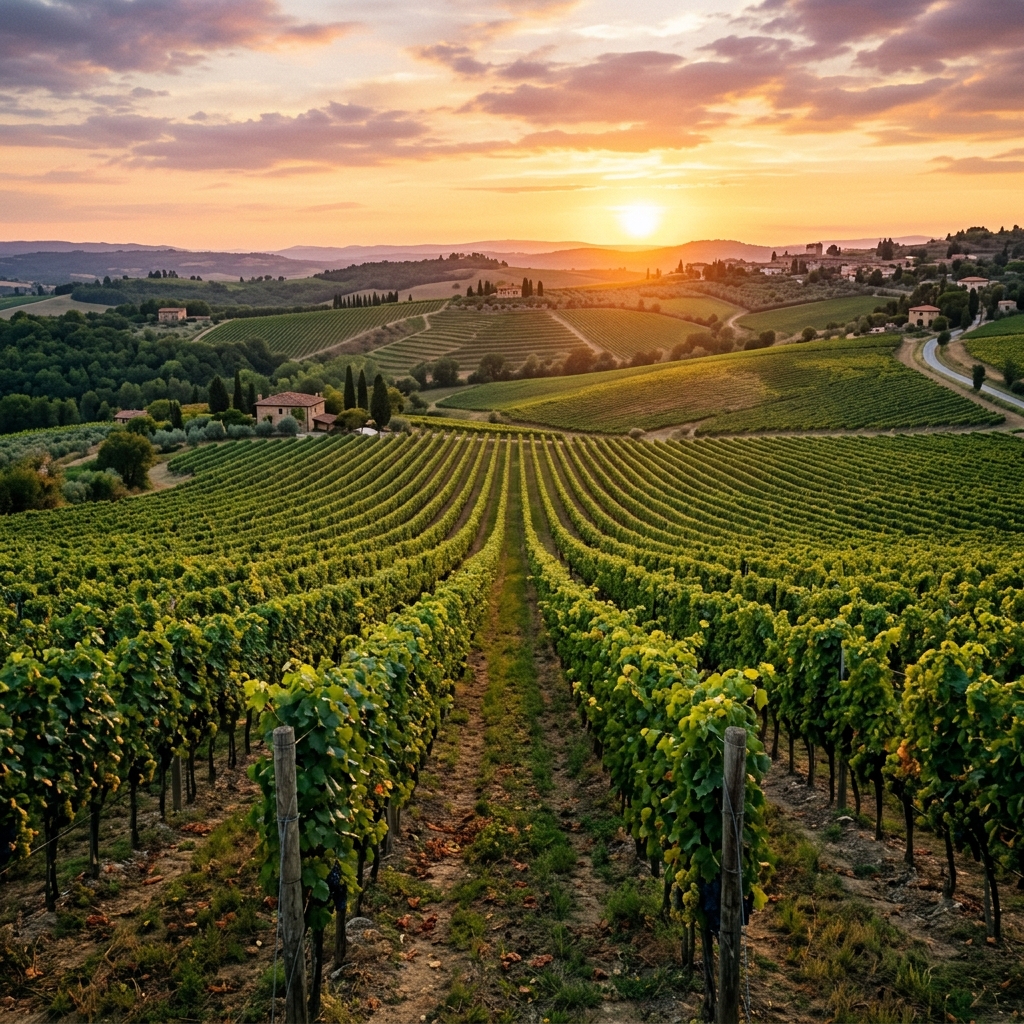
Prosecco is Italy's beloved sparkling wine, produced primarily from the indigenous Glera grape in the Veneto and Friuli regions of northeastern Italy. Crafted using the Martinotti-Charmat tank method to preserve pristine fruit freshness, it bursts with refreshing notes of green apple, juicy Bartlett pear, honeysuckle, and melon.
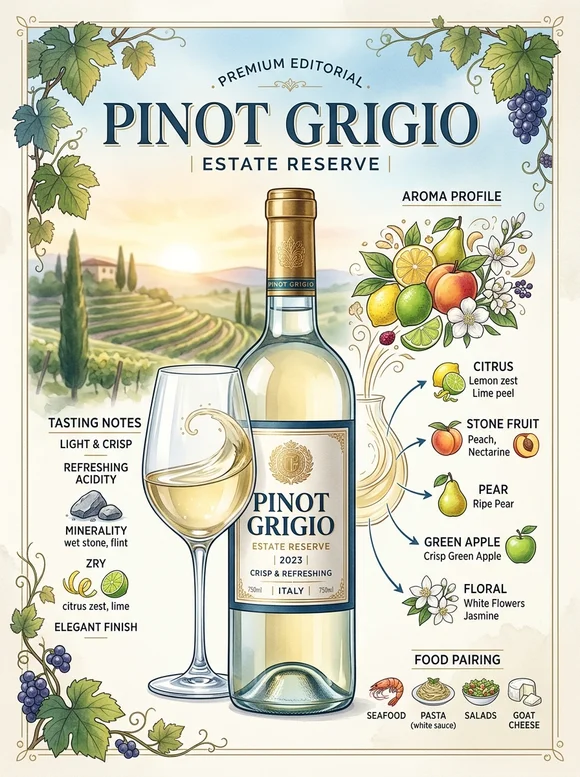
Taste Profile & Sensory Structure
Rating on 1–5 scaleKey Aromas & Flavor Descriptors
| Wine Style | Sparkling Wine |
|---|---|
| Origin / Homeland | Veneto & Friuli-Venezia Giulia, Italy |
| Other Names | Glera, Prosecco, Prosecco Tondo |
| The True Grape Name | Glera — historically called Prosecco, officially renamed in 2009 to protect regional DOC boundaries |
| Production Method | Tank Method (Martinotti-Charmat) — secondary fermentation in stainless steel autoclaves preserves fresh fruit |
| Quality Hierarchy | Prosecco DOC (plains), Conegliano Valdobbiadene DOCG (steep hillside crus), and Cartizze (the Grand Cru pinnacle) |
| Serving Temperature | 6–8 °C (43–46 °F) — serves crisp, frothy, and thirst-quenching |
Prosecco is the sparkling ambassador of the Italian dolce vita. Vibrant, fruit-forward, and refreshingly lighthearted, it sparkles in the glass with lively streams of bubbles carrying aromas of crisp green apple, sweet Bartlett pear, white acacia blossom, and chilled summer melon.
Explore Prosecco in Depth
Master Italy's sparkling treasure through our four comprehensive Academy guides: sensory analysis, hillside cru terroirs, aperitivo pairings, and DOCG bottle selection.
Frequently Asked Questions
How does Prosecco differ from Champagne?
The core differences are production method and flavor profile. Champagne undergoes secondary fermentation in the individual bottle and rests on dead yeast cells (lees) for years, generating bready, brioche, and nutty complexity. Prosecco ferments in pressurized temperature-controlled stainless steel autoclaves for a few weeks, which captures and preserves the pure, delicate fruit aromas of fresh pear, apple, and white flowers.
Why is 'Extra Dry' Prosecco actually sweeter than 'Brut'?
Sparkling wine sweetness scales are historically inverted: Brut contains 0–12 g/L residual sugar (dry), whereas Extra Dry contains 12–17 g/L (noticeably off-dry with gentle fruit sweetness). The vast majority of popular Prosecco bottles in wine shops are Extra Dry, balancing crisp natural acidity with friendly softness.
What is the difference between Prosecco DOC and DOCG?
Prosecco DOC encompasses the vast, flat agricultural plains of Veneto and Friuli, machine-harvested for high-volume, approachable everyday enjoyment. Conegliano Valdobbiadene Superiore DOCG represents hand-tended, vertiginous limestone hillsides where cool Alpine breezes produce wines of electrifying mineral tension, floral depth, and refined complexity.
Related Guides
- How to Recognize Prosecco (Glera) in the GlassBartlett pear, floral honeysuckle, sweetness scale, and tasting keys
- Where Prosecco (Glera) GrowsConegliano, Valdobbiadene, Asolo, and Veneto plains
- Food Pairing with Prosecco (Glera)Prosciutto with melon, fritto misto, aperitivo snacks, and salads
- What to Buy (Prosecco)Brut vs Extra Dry, Cartizze Grand Cru, and top DOCG producers
- VenetoThe sparkling hills of Valdobbiadene and noble kingdom of Amarone
Last updated: September 20, 2026