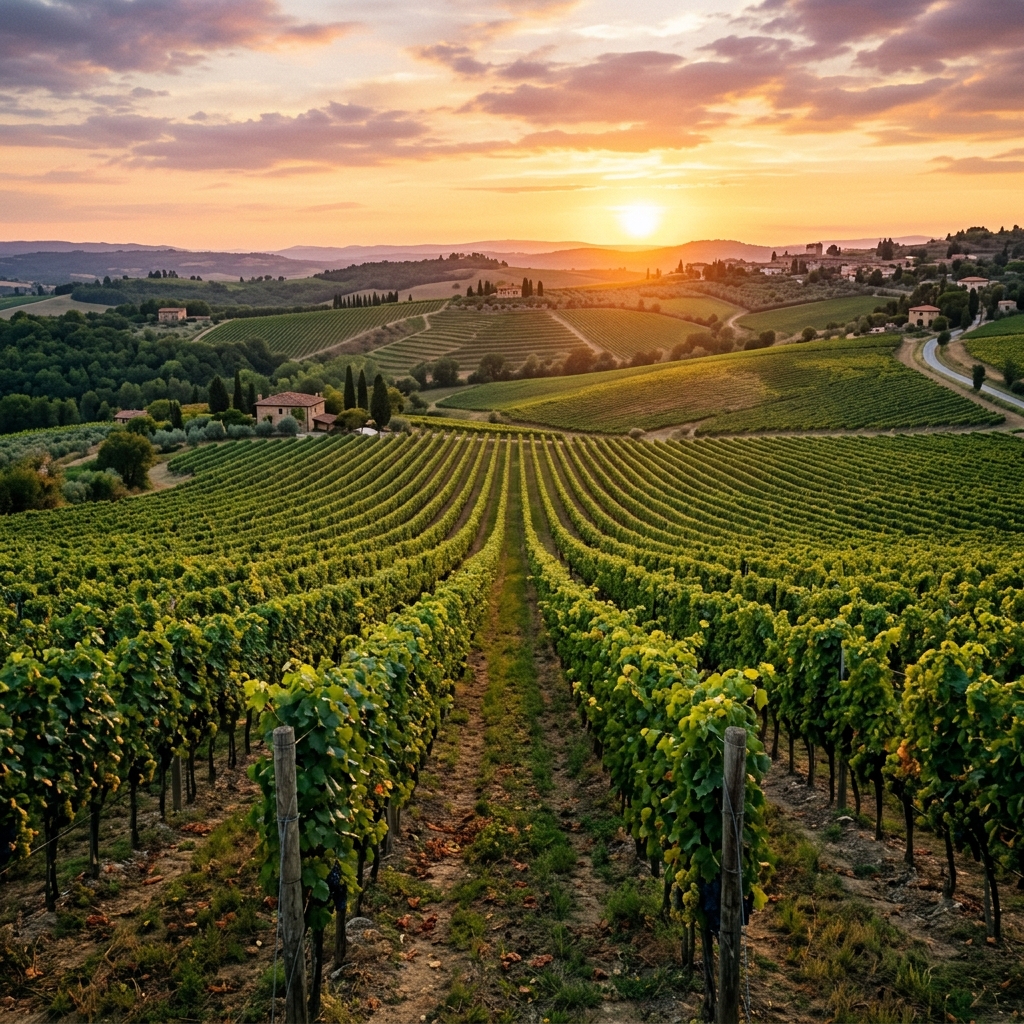
皮埃蒙特(Piedmont)坐落於阿爾卑斯山腳下,是義大利北部最尊貴崇高的葡萄酒產區。以內比奧羅(Nebbiolo)釀造的巴羅洛(Barolo)被譽為「王者之酒,酒中之王」,與姊妹產區巴巴萊斯科(Barbaresco)並列世界頂級紅酒殿堂。淺磚紅色的酒液中蘊藏著乾玫瑰、焦油、瀝青與白松露的奇幻香氣,單寧如花崗岩般威嚴磅礴。
| 國家/產區 | ✦ 義大利 |
|---|---|
| 核心葡萄品種 | ✦ Nebbiolo ✦ Barbera ✦ Dolcetto ✦ Cortese ✦ Moscato Bianco ✦ Arneis |
| King of Wines | Barolo DOCG — 100% Nebbiolo, minimum 38 months aging |
| Queen of Wines | Barbaresco DOCG — 100% Nebbiolo, earlier ripening, silky tannins |
| People's Choice | Barbera (Barbera d'Alba / d'Asti) — juicy berry fruit, bright cherry, and supple tannins |
| Signature White | Gavi DOCG (Cortese grape) and Roero Arneis — crisp, mineral-driven whites |
| Serving Temperature | 16–18 °C in a generous Burgundy/Nebbiolo glass (temperature guide) |
Piedmont (Piemonte — “At the foot of the mountains”) is the most noble wine region in northwestern Italy. Framed by Alpine peaks and cloaked in autumnal fogs, Piedmont gifted humanity the Nebbiolo grape and two of the world’s greatest wines — Barolo and Barbaresco.
The Signature Wine Styles of Piedmont
Piedmont winemaking is anchored by a strict hierarchy of celebrated appellations and the noble Nebbiolo grape:
Barolo
"The King of Wines and Wine of Kings": 38+ months of aging. Pitch tar, dried rose, black cherry, truffle, and monolithic tannins built for 40+ years.
👑 Nebbiolo Guide →Barbaresco
"The Queen of Piedmont": sandy marls by the Tanaro River, silky tannins, violet, ripe wild raspberry, forest strawberry, and feminine poise.
👑 Nebbiolo Guide →Barbera
Juicy local favorite: deep purple robe, explosive ripe cherry, blackberry, energetic mouthwatering acidity, and gastronomic suppleness.
🥩 Wine with Meat →Gavi & Arneis (Whites)
Mineral-etched white gems of Piedmont: Cortese and Arneis varieties — crisp green apple, white peach, raw almond, and saline freshness.
🧀 Cheese Guide →Terroir and Soils of Piedmont: Langhe Hills, Nebbia Fogs and Alpine Microclimate
The 5 Great Communes of Barolo and Their Character
| Barolo Commune | Soil Type | Style & Wine Character | Aging Potential |
|---|---|---|---|
| La Morra | Tortonian sandy-calcareous marl | Most perfumed, elegant, and accessible in its youth | 15–25 years |
| Barolo | Blend of limestone and marl | Classic equilibrium of power and silk, rose and tar nuances | 20–30 years |
| Castiglione Falletto | Sandstone and limestone | Architectural structure, ripe cherry, mineral tension and complexity | 25–35 years |
| Serralunga d’Alba | Dense grey Serravallian limestone | The most powerful, tannic, brooding, and monolithic Barolo | 30–50 years |
| Monforte d’Alba | Compact limestone and marl | Rich body, firm granitic tannins, demands extended cellaring | 25–40 years |
Sommelier Food & Wine Pairing Guide
Piedmontese cuisine is an ode to meat, cultured butter, and prized truffles:
With Alba White Truffle
Handmade Tajarin pasta with butter and shaved white truffle unlocks the tertiary earthy complexities of aged Barolo.
Truffle Pairing Guide →With Brasato al Barolo
Brasato al Barolo: beef simmered for hours in wine and aromatics matches the commanding tannins of Nebbiolo seamlessly.
Beef Pairing Guide →With Alpine Castelmagno
Ancient semi-blue Castelmagno DOP cheese or potato gnocchi with fonduta alongside an elegant Barbaresco.
Cheese Guide →With Battuta di Fassona
Hand-chopped raw Fassona veal seasoned with extra virgin olive oil and lemon offers a pristine counterpoint to juicy Barbera.
Meat Guide →Continue exploring Italy: journey to sun-drenched Tuscany, aristocratic Veneto, or test your mastery in Level 3 of the Wine Academy!
常見問題解答 (FAQ)
What is the difference between Barolo and Barbaresco?
Both iconic wines are crafted from 100% Nebbiolo in the Langhe hills, but they reflect contrasting soil profiles and microclimates. Barbaresco sits closer to the Tanaro River on softer, sandier marls — ripening roughly a year earlier and displaying silkier tannins with feminine floral nuances. Barolo mandates at least 38 months of aging (18 in oak), exhibiting more monolithic, muscular tannins and an exceptional aging trajectory of 30 to 50 years.
Why is Nebbiolo pale in color yet so powerfully structured on the palate?
The skins of Nebbiolo are naturally deficient in anthocyanins (red color pigments) but exceptionally packed with tannins and organic acids. In the glass, the wine shows a deceptively translucent garnet-brick hue, yet upon the first sip it reveals an immense architectural tannin structure, accented by signature aromas of tar, dried rose petals, leather, and sour cherry.
What food traditionally pairs with Barolo and Barbaresco in Piedmont?
Piedmont is Italy's premier culinary temple. The assertive tannins of Nebbiolo demand rich, marbled meats and unctuous proteins: beef braised in Barolo (Brasato al Barolo), raw knife-cut Fassona veal tartare, wild game, and legendary handmade Tajarin pasta enriched with cultured butter and freshly shaved white truffles from Alba.