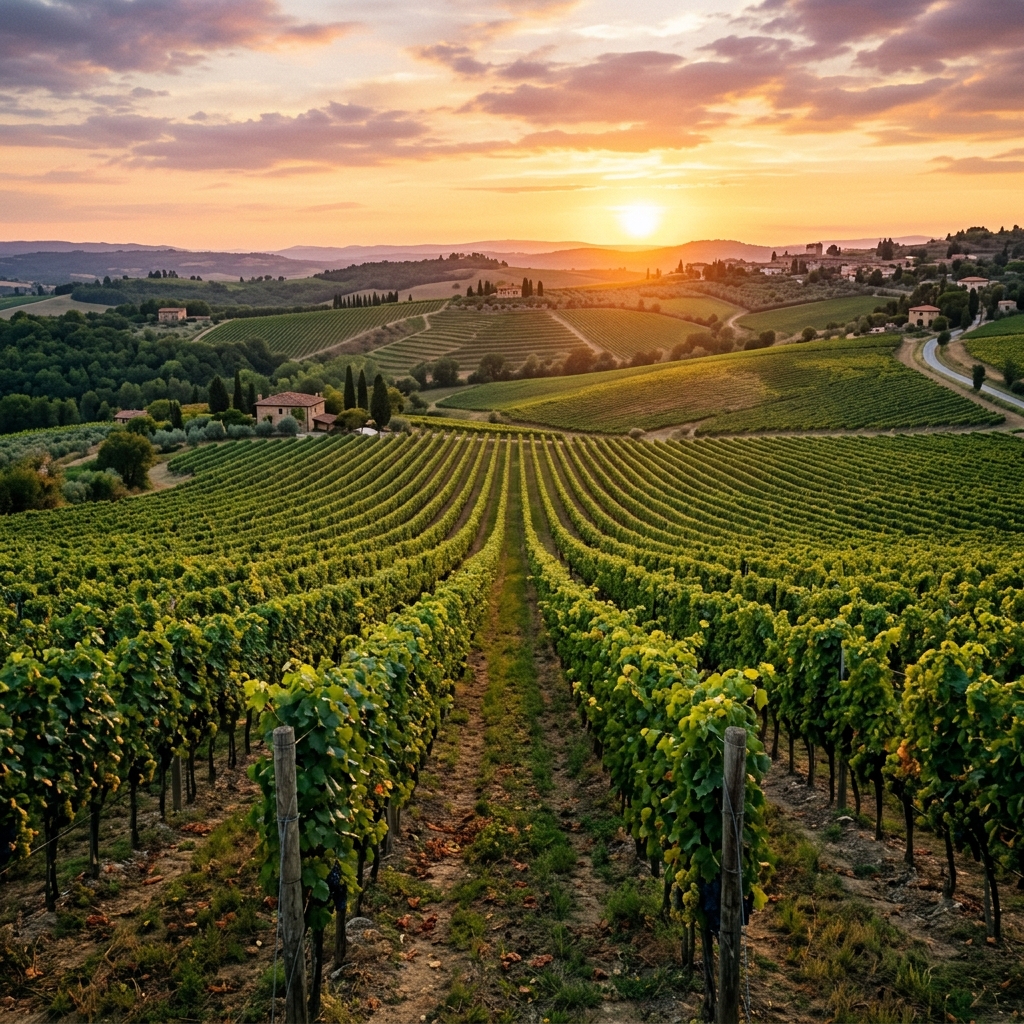
Central Otago is the southernmost commercial wine region on the planet, framed by the jagged glaciated peaks of the Southern Alps on New Zealand's South Island. As the nation's only inland semi-arid continental terroir, it features scorching alpine sunshine, extreme diurnal shifts, and mica-rich schist soils that yield a profound, concentrated Pinot Noir laden with black cherry, wild thyme, and mineral depth that rivals top Burgundy Grand Crus.
| 國家/產區 | ✦ 紐西蘭 |
|---|---|
| 核心葡萄品種 | ✦ pinot-noir ✦ riesling ✦ pinot-gris ✦ chardonnay |
| World's Southernmost | Planted at 45° South latitude beneath the Remarkables range, making it the southernmost commercial wine frontier on earth |
| Sole Continental Climate | The Southern Alps shield the region from oceanic rain, creating a dry microclimate with snowy winters and dry, sunny summers |
| Mica-Schist Soils | Ancient alpine metamorphic schists, quartz, and windblown loess absorb solar heat by day and radiate warmth during freezing nights |
| Wild Thyme Hallmark | The defining regional aromatic signature of Central Otago Pinot Noir is wild thyme, which blooms profusely across the valley hillsides |
| Serving Temperature | 14–16 °C for concentrated Pinot Noir; 8–10 °C for crisp alpine Riesling (serving temperature guide) |
Central Otago is one of the most visually stunning, dramatic, and cinematic wine territories on Earth. Nestled among the turquoise waters of glacial lakes Wakatipu and Wanaka, flanked by the snow-dusted peaks of the Southern Alps, this rugged territory was made famous during the 1860s Gold Rush. Today, vignerons unearth a different treasure: deeply concentrated, dark-ruby Pinot Noir celebrated among the world’s elite expressions.
Key Wine Styles of Central Otago
The extreme alpine terroir creates wines of breathtaking purity, intensity, and structural focus:
Central Otago Terroir: Metamorphic Schist & Alpine Peaks
Natural extremes make Central Otago New Zealand’s most daring viticultural frontier:
Main Grape Varieties of Central Otago
| Grape Variety | Plantings Share | Flavour Profile | Regional Role |
|---|---|---|---|
| Pinot Noir | ~80% (Undisputed King) | Black cherry, damson plum, wild thyme, violet, spice, dark cocoa, firm tannins | The soul of Central Otago, responsible for catapulting the region into global superstardom |
| Riesling | ~8% (White Treasure) | Lime leaf, green apple, honeysuckle, slate minerality, razor-sharp natural acidity | Shows extraordinary versatility from bone-dry expressions to botrytised dessert wines |
| Pinot Gris | ~6% (Texture & Flesh) | Poached pear, quince, white nectarine, ginger, creamy rich mouthfeel | Second most planted white variety, acclaimed for gastronomic richness and balance |
| Chardonnay | ~4% (Alpine Chablis Style) | Citrus oils, flinty smoke, hazelnut, wet river stones, saline tension | Yields austere, intensely mineral, age-worthy wines aged in fine French oak |
Sommelier Food Pairing Guide
Central Otago’s concentrated, thyme-laced Pinot Noir is universally recognized as the world’s finest companion for pasture-fed lamb and game:
Roasted New Zealand Rack of Lamb
The fragrant wild thyme and dark cherry notes in Bannockburn Pinot Noir mirror roasted herb-crusted pasture-raised lamb with breathtaking perfection.
Meat Pairing Guide →Wild Venison Medallions with Cherry Jus
The dense boysenberry concentration and firm schist tannins of Bendigo Pinot Noir meld effortlessly into lean, savoury wild venison.
Game Pairing Guide →Hot-Smoked Clutha River King Salmon
The crunchy red fruit and mineral tension of a cooler Gibbston Valley Pinot Noir cut through rich, smoky freshwater salmon with remarkable grace.
Salmon & Pinot Noir →Steamed Duck Dumplings & Alpine Riesling
Vibrant lime zest acidity and delicate residual sweetness in off-dry Central Otago Riesling cleanse the palate between rich bites of duck and ginger.
Spicy Food Pairing →Expand your exploration of New Zealand wines: visit the Sauvignon Blanc capital of Marlborough, compare cool-climate expressions with America’s Oregon, or take the sommelier assessment in the Wine Academy Level 2!
常見問題解答 (FAQ)
How does Central Otago Pinot Noir differ from Marlborough and Burgundy?
Unlike Marlborough's lighter, red-fruit and herbal profile, or Burgundy's savoury forest floor and game nuances, Central Otago produces a dark, opulent, and brooding style. Due to intense high-altitude UV radiation at 45° S, grape skins develop thick skins packed with anthocyanins and tannins. The resulting wines boast an opaque ruby hue, rich black cherry, damson plum, wild thyme, and dark chocolate, underpinned by vibrant alpine acidity.
What makes Bannockburn the 'Grand Cru' of Central Otago?
Bannockburn, nestled on the southern terraces of the Kawarau River, forms a warm north-facing amphitheater shielded from harsh southern weather fronts. Enjoying more heat accumulation than cooler subregions like Gibbston, its Pinot Noirs reach optimal phenolic ripeness, yielding structured wines of immense textural velvet, layered spice, and 15–20 year cellaring capability.
Which white varieties thrive in this extreme alpine climate?
While Pinot Noir accounts for over 80% of total plantings, Central Otago’s dry, sunny autumns are paradise for aromatic whites. Local Riesling and Pinot Gris offer laser-precise acidity, notes of white peach, green apple, crushed slate minerality, and crystalline purity that rival top bottlings from the Mosel and Alsace.
延伸閱讀推薦
- Marlborough RegionContrast Marlborough's coastal Sauvignon Blanc with Central Otago's alpine Pinot Noir
- Pinot Noir GuideExplore the world's most capricious grape and its dramatic New Zealand expression
- Riesling GuideDiscover why Central Otago's high-altitude Riesling is celebrated for crystalline purity
- Academy Exam (Level 2)Test your sommelier knowledge on New Zealand South Island terroirs and wine styles