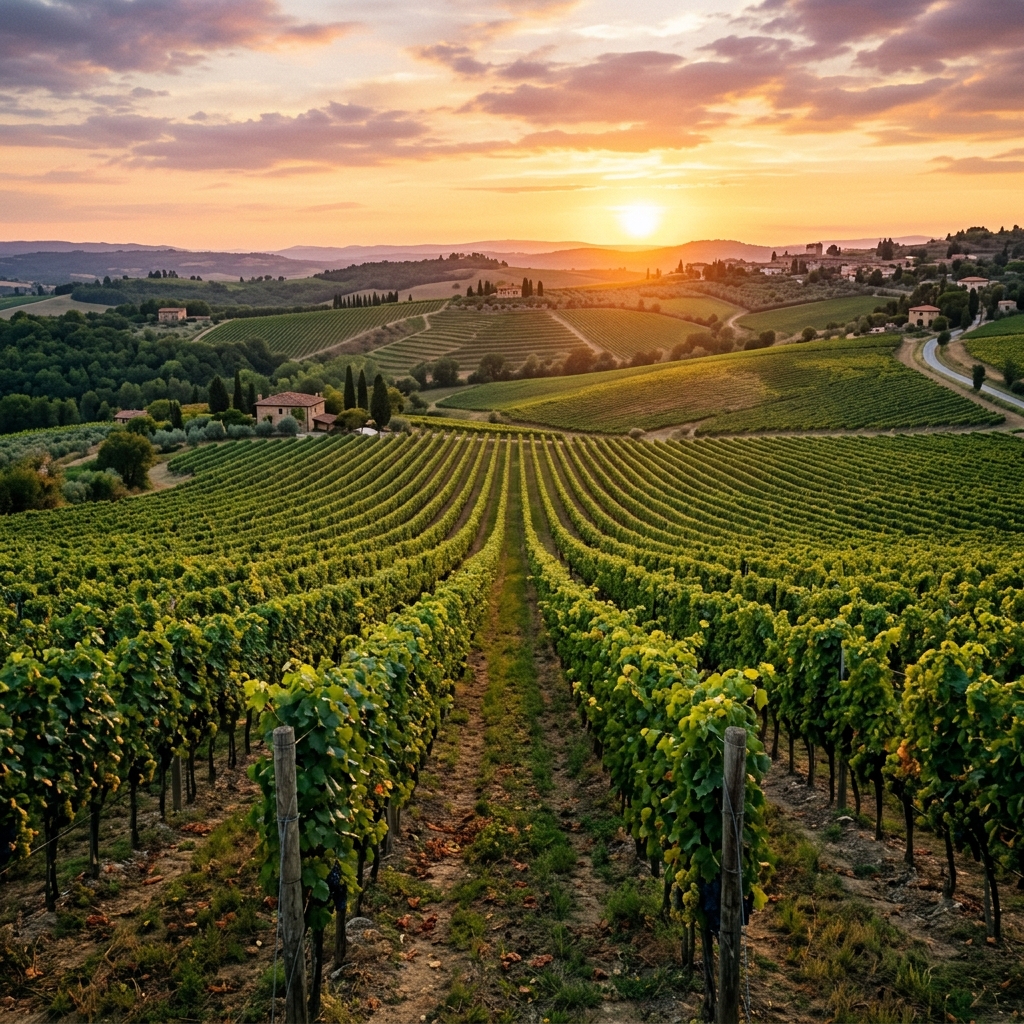
Catalonia (Catalunya) is Spain's most progressive and innovative wine region, stretching along the Mediterranean coast south of the Pyrenees. At its heart lies the Penedès valley and Sant Sadurní d'Anoia, the global capital of traditional-method Cava D.O. and the prestigious Corpinnat collective. Here, the indigenous holy trinity of Xarel·lo, Macabeu, and Parellada produces world-class sparkling wines, while surrounding DOs like Montsant, Terra Alta, and Empordà yield profound mineral whites and spicy old-vine reds.
| 國家/產區 | ✦ 西班牙 |
|---|---|
| 核心葡萄品種 | ✦ xarel-lo ✦ macabeu ✦ parellada ✦ garnacha |
| Capital of Traditional Method | Over 95% of all Spanish Cava is crafted in Catalonia's Penedès region, centered around the historic town of Sant Sadurní d'Anoia |
| The Cava Triad | Xarel·lo supplies age-worthy polyphenol structure; Macabeu delivers orchard fruit; high-altitude Parellada brings delicate floral perfume |
| The Corpinnat Rebellion | Alliance of elite artisan houses (Recaredo, Gramona) dedicated exclusively to 100% organic, hand-harvested estate wines aged 18 to 60+ months |
| Diverse Topography | 11 distinct DOs spanning coastal sea-level sandbars up to limestone plateaus at 800m beneath the jagged Montserrat massif |
| Serving Temperature | 6–8 °C for youthful Cava; 9–11 °C for vintage Cava Gran Reserva and Corpinnat (serving temperature guide) |
Catalonia (Catalunya) is the dynamic, creative, and fiercely autonomous viticultural jewel of northeastern Spain. Nestled between the sparkling blue Mediterranean Sea and the dramatic, finger-like pinnacles of the holy mountain of Montserrat, this region has pioneered Spanish wine modernism for over a century and a half. Here, in 1872, Don Josep Raventós Fatjó uncorked Spain’s first bottle of traditional-method sparkling wine, igniting the global phenomenon of Cava.
Key Wine Styles of Catalonia
From bone-dry, brioche-laced sparkling icons to wild Mediterranean mountain reds:
Catalonia Terroir: Limestone, Montserrat & The Marinada Breeze
From coastal sandbars to high-elevation inland limestone amphitheaters:
Main Grape Varieties of Catalonia
| Grape Variety | Plantings Share | Flavour Profile | Regional Role |
|---|---|---|---|
| Xarel·lo | ~30% (White Backbone) | Green apple, wild fennel, chamomile, wet stone, saline grip, light tannins | Catalonia’s crown jewel, providing structural muscle and extraordinary ageability |
| Macabeu (Viura) | ~32% (Orchard Core) | White peach, pear, white blossom, mild citrus acidity, approachable fruit | Provides approachable juiciness and early drinkability to sparkling blends |
| Parellada | ~20% (High-Altitude Lift) | Lemon zest, crisp apple, delicate blossom, bright tensile acidity | Cultivated at the highest elevations of Alt Penedès to impart finesse and freshness |
| Garnacha & Cariñena | ~14% (Mediterranean Reds) | Blackberry, garrigue herbs, damson plum, cracked pepper, warm depth | The indigenous red champions of DO Montsant, Terra Alta, and Empordà |
Sommelier Food Pairing Guide
Catalan gastronomy is globally celebrated, built on an organic dialogue with local wines:
Jamón Ibérico de Bellota & Pa amb Tomàquet
The quintessential pairing: toasted rustic bread rubbed with ripe tomato and extra virgin olive oil, melting Iberian ham, and zero-dosage Cava Brut Nature.
Tapas & Appetizers →Gambas de Palamós (Red King Prawns)
Sweet, pristine deep-sea red prawns lightly seared over rock salt connect with the salinity, fennel notes, and subtle chalky grip of still varietal Xarel·lo.
Seafood Guide →Arroz Negro (Cuttlefish Ink Paella) & Alioli
Rich cuttlefish rice with pungent garlic alioli demands the toasted hazelnut complexity and crisp acidity of extended-aged Corpinnat.
Rice & Seafood →Botifarra amb Seques (Pork Sausage & White Beans)
Classic grilled Catalan pork sausages and garlicky white beans pair comfortably with the juicy plum, cracked pepper, and mountain lift of DO Montsant.
Meat Pairing Guide →Continue your Spanish wine journey: venture into the black-slate amphitheaters of Priorat, discover the crisp Verdejos of Rueda, or take the sommelier assessment in the Wine Academy Level 2!
常見問題解答 (FAQ)
How does Catalonia's Cava differ from Prosecco and Champagne?
Unlike Italian Prosecco, which is produced rapidly in pressurized stainless steel tanks (the Charmat-Martinotti method), Cava is produced exclusively via the traditional Champenoise method (método tradicional), undergoing secondary fermentation directly inside the bottle and aging on yeast lees from 9 to over 36 months. While Champagne relies on Pinot Noir, Meunier, and Chardonnay, Cava’s soul is shaped by Catalonia’s indigenous varieties (Xarel·lo, Macabeu, Parellada), imparting a savoury, herbal, and earthy Mediterranean profile with moderate acidity.
Why is Xarel·lo considered the greatest grape of Catalonia?
Xarel·lo is the structural anchor of long-lived Spanish sparkling wines. Unlike most white grapes, its thick skins contain exceptionally high levels of the antioxidant resveratrol and fine grape tannins. This natural preservative quality allows extended cellar aging on the lees for 5 to 10+ years without premature oxidation, unlocking complex notes of wild fennel, dried chamomile, crushed flint, and toasted hazelnut.
What is the difference between Cava, Corpinnat, and Clàssic Penedès?
Dissatisfied with loose industrial volume regulations within the nationwide Cava DO, premier growers formed quality-focused splinter movements. Corpinnat mandates 100% certified organic grapes, 100% estate vinification within the historic Penedès boundaries, and minimum lees aging of 18 months. Clàssic Penedès operates under DO Penedès, demanding organic certification and vintage dating on every bottle.
延伸閱讀推薦
- Priorat RegionExplore Catalonia's iconic black-slate mountain DOQ famous for old Garnacha and Cariñena
- Champagne RegionCompare French traditional sparkling benchmarks with Catalan Cava and Corpinnat
- Wine Glass GuideDiscover why complex vintage Cava is best enjoyed in a white wine glass rather than a flute
- Academy Exam (Level 2)Test your knowledge on Spanish wine classifications, Cava categories, and terroirs