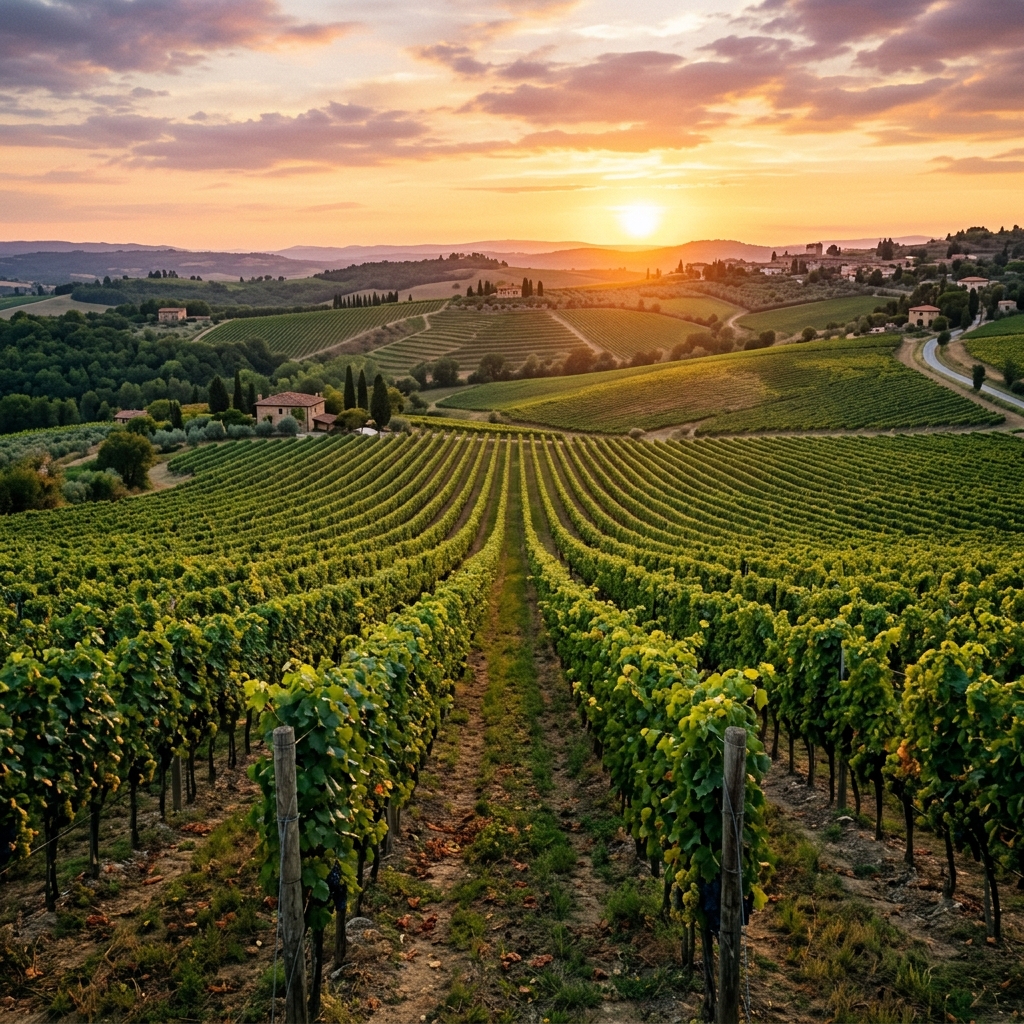
Alentejo is Portugal's sun-drenched southern heartland, renowned for rolling golden plains, cork oak forests, and rich Mediterranean warmth. The region produces velvety, full-bodied reds led by Alicante Bouschet, Aragonez, and Trincadeira, opulent tropical whites from Antão Vaz, and revived ancient amphora treasures crafted through the thousand-year tradition of Vinho de Talha.
| 國家/產區 | ✦ 葡萄牙 |
|---|---|
| 核心葡萄品種 | ✦ alicante-bouschet ✦ aragonez ✦ trincadeira ✦ antao-vaz |
| Southern Powerhouse | Covers nearly one-third of Portugal's landmass and produces over 50% of the world's natural cork harvest |
| Ancient Talha Tradition | Protected intangible heritage: spontaneous fermentation and aging in monumental clay pots (talhas) sealed with beeswax and resin |
| The Dark Champion | Alicante Bouschet — French red-fleshed teinturier grape that found its ultimate spiritual and qualitative home in Alentejo |
| White Flagship | Antão Vaz — delivers ripe pineapple, quince, tangerine zest, and a generous, creamy, mineral-laced texture |
| Serving Temperature | 16–18 °C for dense structured reds; 10–12 °C for full-bodied whites (serving temperature guide) |
Alentejo is Portugal’s sun-blessed southern jewel, sweeping from the banks of the Tagus River down to the sun-soaked hills bordering the Algarve. Known for centuries as the nation’s breadbasket, this picturesque expanse of endless olive groves, cork oak forests (montados), and whitewashed villages has undergone an extraordinary viticultural renaissance, earning praise as the “California of Europe” for its generous fruit expression, consistency, and seductive textures.
Key Wine Styles of Alentejo
The region’s patchwork of microclimates and ancient soils supports a diverse spectrum of expressive wines:
Alentejo Terroir: Sunshine, Schist & Cork Oak Montados
Beneath its deceptively gentle topography, Alentejo comprises eight distinct DOC subregions, from the cool granite heights of Portalegre to the sun-baked plains of Reguengos and Vidigueira:
Main Grape Varieties of Alentejo
| Grape Variety | Plantings Share | Flavour Profile | Regional Role |
|---|---|---|---|
| Alicante Bouschet | ~25% (Red Royalty) | Black cherry, dark chocolate, tobacco, eucalyptus, inky concentration | Crown jewel of Alentejo, backbone of icon bottlings with immense aging power |
| Aragonez (Tempranillo) | ~30% (Red Classic) | Red plum, strawberry, dried oregano, sweet earth, refined supple tannins | Provides core fruit richness, balancing blends with silky approachability |
| Trincadeira | ~15% (Spicy Edge) | Blackberry, black tea, cracked pepper, lifted acidity, floral herbal notes | Imparts structural tension and savoury aromatics to traditional cuvées |
| Antão Vaz | ~18% (White Leader) | Golden pineapple, melon, beeswax, flinty minerality, lush creamy mouthfeel | Signature white grape of the south, performing brilliantly in stainless steel or oak |
Sommelier Food Pairing Guide
Alentejo’s hearty and rustic gastronomic heritage is world-famous for complementing its bold wines:
Carne de Porco à Alentejana
Marinated acorn-fed Iberian pork tenderloin braised with fresh clams, coriander, and sweet paprika matches the silky fruit and spice of Aragonez-Trincadeira blends.
Meat Pairing Guide →Slow-Roasted Wild Boar & Dry-Aged Beef
Muscular, resinous, and deeply extracted Alicante Bouschet effortlessly cuts through rich game fats and charred grilled meats.
Steak Pairing Guide →Bacalhau com Natas (Baked Creamed Salt Cod)
Creamy barrel-aged Antão Vaz with stone fruit richness wraps around savoury salt cod and velvety gratin with impeccable grace.
Fish & White Wines →Queijo Serpa DOP & Vinho de Talha
Pungent, runny raw sheep's milk Serpa cheese curded with wild thistle embraces the earthy, oxidative, and herbal complexity of amphora Talha wines.
Cheese Pairing Guide →Continue exploring Portugal: journey north to the rugged schist terraces of the Douro Valley, refresh your palate with crisp coastal Vinho Verde, or test your expertise in the Wine Academy Level 2!
常見問題解答 (FAQ)
How do Alentejo wines compare to those of the Douro Valley?
While the Douro is characterized by dramatic mountainous slate terraces yielding structured, high-tannin, and austere reds, Alentejo is a landscape of rolling golden plains and gentle plateaus. The sunnier, warmer climate allows grapes to reach generous phenolic ripeness with soft, velvety tannins. Alentejo reds are famously plush, fruit-forward, approachable in their youth, and packed with wild blackberries, dark chocolate, and Mediterranean scrub.
What is Vinho de Talha?
Vinho de Talha represents an unbroken winemaking tradition dating back to Roman antiquity. Hand-picked grapes are crushed and placed with skins and stems into colossal terracotta urns (talhas), coated inside with beeswax and pine resin. Fermentation occurs naturally without temperature control, and the wine macerates on the lees until St. Martin's Day (November 11), yielding extraordinarily savoury, textural, and earthy wines.
Why did Alicante Bouschet become the signature red grape of Alentejo?
Alicante Bouschet is a rare teinturier variety with pigmented red flesh rather than clear pulp. Introduced to Alentejo in the late 19th century (notably at Herdade do Mouchão), it thrived in the scorching summer heat. It produces nearly black, highly extracted, age-worthy wines boasting muscular tannins, notes of eucalyptus, wild bramble, and cedar, capable of cellaring for 20 to 30 years.
延伸閱讀推薦
- Douro ValleyContrast Alentejo's generous plains with northern Portugal's steep schist terraces
- Wine & Steak PairingWhy muscular Alicante Bouschet stands up to prime beef cuts and roasted game
- Wine Glass GuideSelect the ideal Bordeaux glass for expansive, aromatic Portuguese red blends
- Academy Exam (Level 2)Test your sommelier knowledge on Portuguese DOCs and indigenous grape varieties