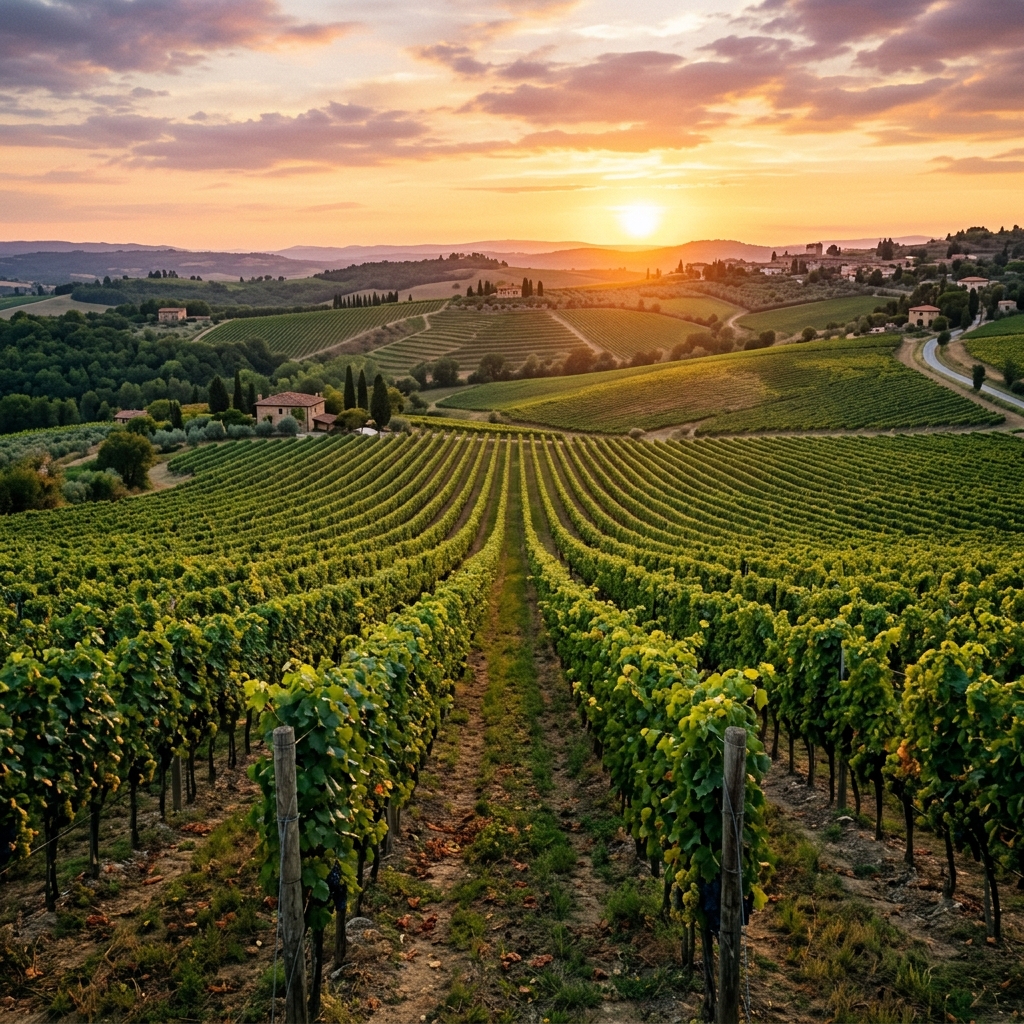
Tomato sauces have high natural acidity and require wines with matching high acidity — Chianti (Sangiovese), Barbera d'Alba, or Montepulciano d'Abruzzo. Low-acid, sweet reds will taste flat and dull.
| Recommended Grapes | Sangiovese Merlot Rosé Wines |
|---|---|
| Classic Marinara / Pomodoro | Sangiovese (Chianti), Barbera d'Alba, Montepulciano |
| Spicy Arrabbiata (with chili) | Sicilian Frappato, Primitivo, or dry Italian Rosato |
| Rich Meat & Tomato Ragu | Chianti Classico Riserva, Nebbiolo, or Brunello |
| Seafood in tomato broth | Crisp Verdicchio, Greco di Tufo, or dry Rosato |
| Fatal mistake | Low-acid, jammy reds — they taste cloying and sickly sweet next to tomatoes |
Ripe cooked tomatoes are one of Italian dining’s greatest gifts — but for wine, they pose a formidable chemical challenge. Tomatoes contain abundant natural citric and malic acidity, which destroys low-acid, jammy wines.
The Chemistry of Tomato Pairings: Acid Matching Acid
In gastronomy, acidity in food demands equal or higher acidity in wine:
- If the food is more acidic than the wine, the wine tastes lifeless, flabby, and flat.
- When food acid meets wine acid, they neutralize each other’s sharpness, allowing the underlying fruit, herbs, and savoriness of both to burst forth.
- This explains why indigenous Italian grape varieties (Sangiovese, Barbera, Montepulciano, Nerello Mascalese) have evolved with high natural acidity over centuries of Mediterranean cooking.
Classic Pairings by Tomato Preparation
1. Simple Marinara / Pomodoro with Garlic & Fresh Basil
- Top Picks: Chianti Classico (Sangiovese), Barbera d’Alba, or Montepulciano d’Abruzzo.
- Why it works: Sangiovese’s sour red cherry fruit, dried oregano, and vibrant acidity match simmered tomatoes note-for-note.
2. Spicy Penne all’Arrabbiata (Chili, Garlic, Tomato)
- Top Picks: Sicilian Frappato, dry Italian Rosato, or southern Italian Primitivo.
- Why it works: Chili pepper heat will turn heavy, high-tannin reds uncomfortably bitter. A chilled, juicy Frappato or Rosato provides bright red fruit and thirst-quenching freshness without fanning the flames.
3. Tomato-Braised Meat (Osso Buco, Cacciatore, Meatballs)
- Top Picks: Chianti Classico Riserva, Nebbiolo (Langhe or Barolo), or Brunello di Montalcino.
- Why it works: Simmered meat fat adds rich depth to the tomato base, calling for firmer tannins, wood spice, and leather complexity.
4. Seafood in Tomato Broth (Cioppino, Mussels in Marinara)
- Top Picks: Southern Italian Greco di Tufo, Sardinian Vermentino, or dry Cerasuolo d’Abruzzo Rosé.
- Why it works: Red wine iron would clash with seafood, while low-acid whites would drown in tomato sauce. Crisp, mineral southern Italian whites and rosés strike the flawless middle ground.
What to Avoid: Common Pitfalls
- Heavily Oaked Reds (New Oak Vanilla & Toast): Sweet vanilla, coconut, and baking spice clash violently with the savory herbal tang of simmered tomatoes.
- Warm-Climate, Jammy Low-Acid Reds: California Merlot, Barossa Shiraz, or hot-vintage Grenache turn flabby, flat, and cloying next to tart tomato sauces.
- Massive High-Tannin Wines (Aged Cabernet, Tannat): Intense grape tannins combined with tomato acid produce a harsh, astringent puckering sensation.
Cooking Nuances That Shift the Balance
- Long Slow Simmering: A ragù simmered for 3–4 hours breaks down raw malic acid, caramelizes sugars, and allows rounder, more structured wines to shine.
- Cream & Cheese (Pink Vodka Sauce, Parmigiano): Butter, cream, and melted cheese coat the tongue and neutralize sharp tomato acid, opening the door to softer reds or textured Chardonnay.
- A Pinch of Sugar: Traditional cooks add sugar to balance canned tomatoes; while it softens acidity slightly, the wine still requires good structural freshness.
Practical Sommelier Conclusion: The Universal Answer
For virtually any tomato-based recipe — from pizza and pasta to cacciatore stew and meatballs — an authentic, medium-bodied Italian red (Chianti Classico, Barbera d’Alba, Montepulciano d’Abruzzo) is guaranteed to deliver flawless culinary harmony.
Grape Varieties for This Dish
Click on a grape to view its full sensory profile, tannin level, and acidity scale:
The beating heart of Tuscany: tart red cherry, sun-dried tomato, wild thyme, high acidity, and an eternal culinary soulmate to pasta.
The velvety soul of Bordeaux’s Right Bank: ripe black plum, cocoa, rounded texture, and accessible fruit.
Neither red nor white: brief skin contact extracts pure berry aromas, refreshing acidity, and peerless versatility at the summer dining table.
Frequently Asked Questions
Why do high-acid tomato sauces ruin smooth, low-acid red wines?
Tomatoes are packed with natural citric and malic acids. When you eat food with high acidity, your palate's acidity threshold resets upward. If your wine lacks matching natural acidity (such as a smooth, low-acid California Merlot or sweet commercial blend), the wine is stripped of all freshness, tasting flabby, dull, and sickly sweet.
Can white wine be served with tomato sauce?
Yes, provided it has high natural acidity and medium weight. A Southern Italian Greco di Tufo, Fiano di Avellino, or dry Sicilian Rosato handles tomato sauces delightfully, especially in seafood pastas like Spaghetti allo Scoglio.
Why is Barbera considered the ultimate everyday tomato pasta wine?
Barbera from Piedmont is famous for two traits: exceptionally vibrant, mouthwatering natural acidity and very low, soft tannins. This unique profile allows it to mirror tomato acidity flawlessly while never conflicting with garlic, herbs, or olive oil.
Related Guides
Last updated: August 2, 2026