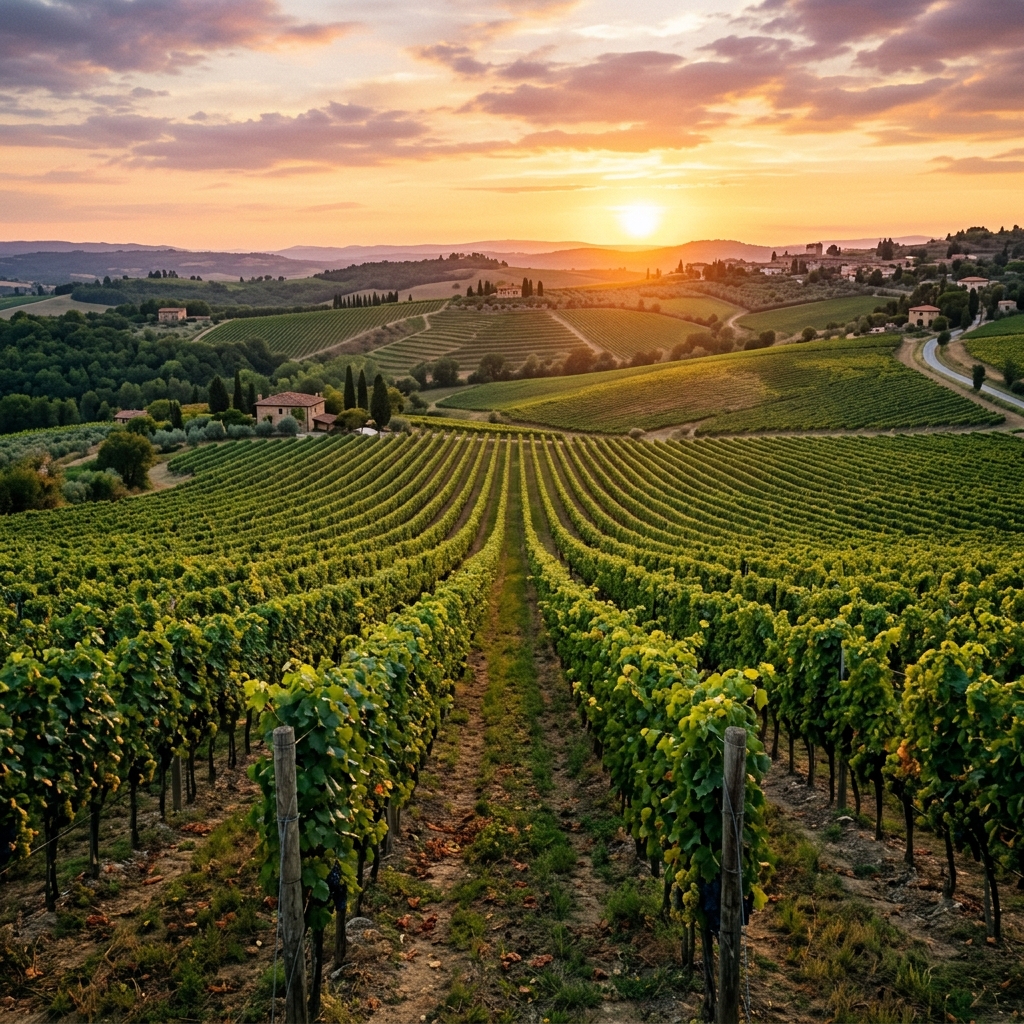
Always pair wine with the sauce, not the pasta dough. High-acid tomato sauces demand high-acid Italian reds (Chianti); rich meat ragù calls for structured reds (Barbera, Sangiovese); creamy sauces need textured whites (Chardonnay).
| Recommended Grapes | Sangiovese Chardonnay Sauvignon Blanc |
|---|---|
| Tomato marinara / Pomodoro | Sangiovese (Chianti), Barbera d'Alba, Montepulciano d'Abruzzo |
| Meat ragù (Bolognese) | Chianti Classico Riserva, Nebbiolo, Barbera, or Primitivo |
| Creamy Alfredo / Carbonara | Oaked Chardonnay, Soave Classico, or Verdicchio |
| Basil Pesto alla Genovese | Vermentino, Gavi, or New Zealand Sauvignon Blanc |
| Seafood linguine (Vongole) | Crisp Pinot Grigio, Greco di Tufo, or Vermentino |
Pasta itself (flour, water, eggs) is a neutral carbohydrate canvas. Therefore, the sauce and fat determine 100% of the wine pairing. A bowl of pasta with fresh seafood requires an entirely different bottle than a five-hour slow-cooked beef ragù.
The Cardinal Rule: Sauce Chemistry
- Tomato Acid Rule: High tomato acid destroys low-acid wines. Always choose high-acid Italian reds.
- Fat & Dairy Rule: Cream, cheese, and egg yolks demand either crisp acidity to cut the coating, or round white wine body to match texture.
- Green Herb Rule: Fresh basil, pine nuts, and garlic in pesto demand herbal, high-energy white wines with matching green aromatics.
The Four Great Pasta Sauce Families
1. Red Tomato Sauces (Marinara, Pomodoro, Arrabbiata)
- Top Picks: Chianti Classico (Sangiovese), Barbera d’Alba, Montepulciano d’Abruzzo.
- Why it works: Italian red grape varieties evolved over centuries alongside Mediterranean tomato cultivation. Sangiovese’s tart red cherry fruit and brisk acidity harmoniously integrate with simmered tomatoes.
2. Meat Sauces & Ragù (Bolognese, Wild Boar, Sausage)
- Top Picks: Chianti Classico Riserva, Nebbiolo (Langhe or Barolo), Barbera, or Sicilian Nero d’Avola.
- Why it works: Slow-cooked beef, veal, and pork fat require firmer tannins and savory dried herb complexity to slice through the richness.
3. White & Cream Sauces (Carbonara, Alfredo, Cacio e Pepe)
- Top Picks: Oaked Chardonnay, Verdicchio dei Castelli di Jesi, or Soave Classico.
- Why it works: Starchy pasta water, melted Parmigiano, and egg or cream create a velvety emulsion that pairs brilliantly with textured white wines.
4. Green Herb & Olive Oil Sauces (Pesto alla Genovese, Aglio e Olio)
- Top Picks: Ligurian Vermentino, Pigato, or Sauvignon Blanc.
- Why it works: Basil and garlic in pesto clash violently with red tannins. Vermentino from the Mediterranean coast delivers herbal pine notes, lime zest, and saline minerality.
The Universal Bottle & Regional Tradition
Italian dining evolved hand-in-hand with regional winemaking:
- Roman classics (Carbonara, Cacio e Pepe) → Lazio white wines (Frascati).
- Emilian Ragù Bolognese → Sparkling Lambrusco or Sangiovese di Romagna.
- Seafood pasta → Sicilian Grillo or Sardinian Vermentino.
If you must choose just one single bottle for an entire table ordering different pasta dishes, reach for a Chianti Classico or a high-acid Barbera d’Alba. Their refreshing natural acidity slices through rich cheese and tomato sauces without overwhelming delicate ingredients.
Grape Varieties for This Dish
Click on a grape to view its full sensory profile, tannin level, and acidity scale:
The beating heart of Tuscany: tart red cherry, sun-dried tomato, wild thyme, high acidity, and an eternal culinary soulmate to pasta.
The chameleon of white wine: razor-sharp mineral Chablis to rich, toasted brioche and creamy hazelnut.
The world's most aromatic and unmistakable white grape: freshly cut grass, gooseberry, grapefruit, and crackling acidity.
Frequently Asked Questions
Why is Chianti the ultimate wine for tomato pasta?
Cooked tomatoes have exceptionally high natural acidity. If you drink a low-acid, jammy red wine with tomato sauce, the sauce completely flattens the wine, making it taste dull, flabby, and sickly sweet. Sangiovese (the grape of Chianti) has naturally high acidity and vibrant cherry fruit that matches tomato acidity perfectly.
What wine pairs with authentic Spaghetti alla Carbonara?
Authentic Roman carbonara has no cream — it is an emulsion of egg yolks, pecorino cheese, rendered guanciale pork fat, and black pepper. Pair it with a high-acid, mineral Central Italian white like Verdicchio, Frascati Superiore, or a high-acid red like Barbera to slice through pork fat.
What is the best wine for Lasagna Bolognese?
A structured, medium-to-full Italian red with high acidity: Chianti Classico, Barbera d'Asti, or Emilia-Romagna's local Sangiovese. It cuts through béchamel cream, melted cheese, and rich meat ragù with effortless grace.
Related Guides
Last updated: August 2, 2026