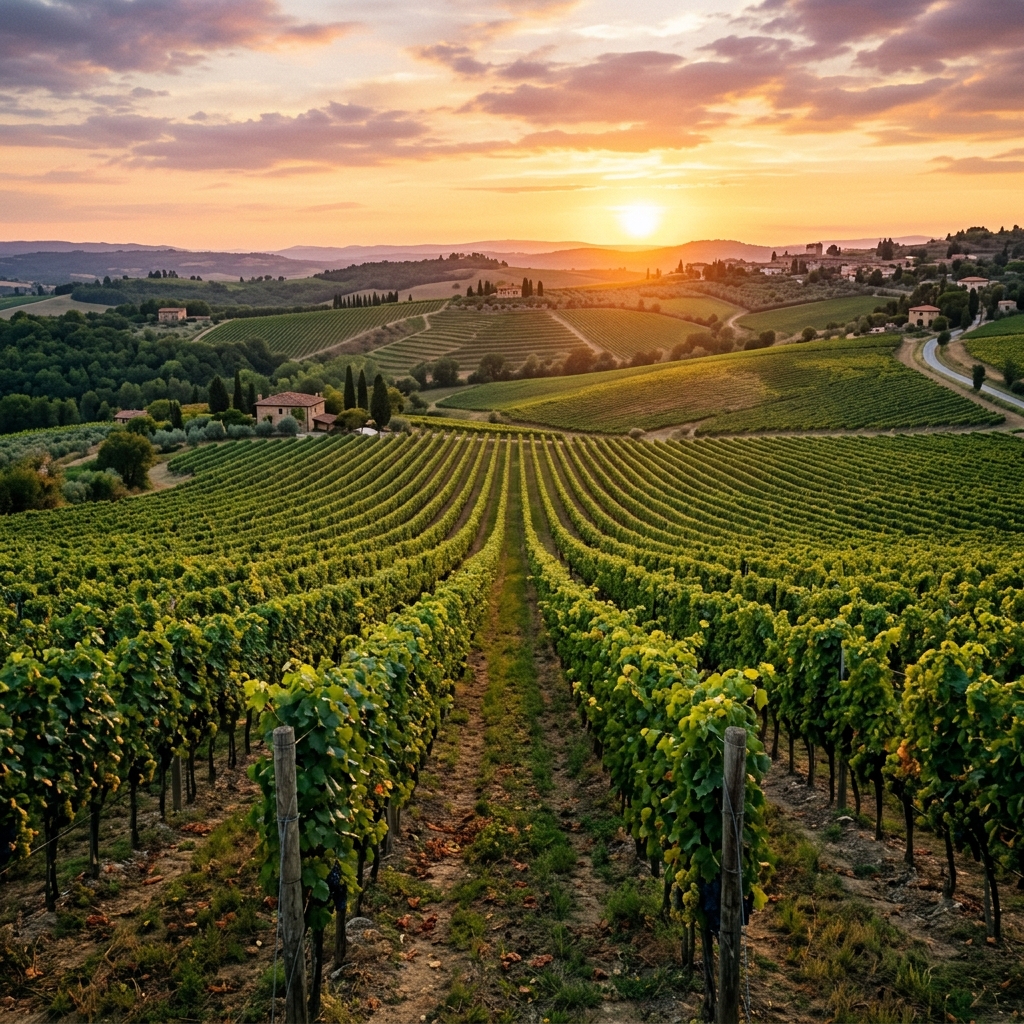
Pair creamy sauces with medium-to-full whites that possess good acidity and textural weight — oaked Chardonnay, Pinot Grigio, Soave Classico, or northern Rhône Viognier.
| Recommended Grapes | Chardonnay Pinot Grigio Viognier |
|---|---|
| Fettuccine Alfredo | Oaked California or Burgundian Chardonnay |
| Spaghetti Carbonara | Crisp Italian white (Frascati, Soave, Vermentino) or light red Barbera |
| Creamy mushroom sauce | White Burgundy, Viognier, or mature Pinot Noir |
| Creamy seafood pasta | Chablis, Verdicchio, or Gavi di Gavi |
| Common pitfall | High-tannin reds — cream coats the tongue, making tannins feel harsh and astringent |
Creamy sauces — whether French béchamel, Italian fettuccine Alfredo, or rich mushroom stroganoff — represent pure culinary comfort. However, heavy cream and melted cheese form an unctuous coating on the palate that will quickly fatigue the senses if your wine lacks brightness.
Why Cream Demands Weight
In most dishes, wine reacts to high acid (tomatoes, citrus, vinaigrettes) or tannin demands (beef fat). Heavy cream provides neither — instead, it coats the tongue in pure lipid density and coating texture.
A featherweight, neutral white wine vanishes behind heavy cream: you are left with isolated tart acidity and zero fruit. The wine requires substance and textural weight.
What to Pour (Texture Harmony)
- Oaked Chardonnay: The undisputed benchmark. Malolactic fermentation and lees stirring create natural diacetyl (buttery richness) that mirrors the velvety sauce: Meursault, Puligny-Montrachet, Napa Valley, or Margaret River.
- Alsatian Pinot Gris: Rich, textural, and viscous with orchard fruit density.
- Viognier: Naturally low acidity and lush apricot, beeswax, and honeysuckle notes that wrap around cream.
- Aged Chenin Blanc: For those who desire vibrant acidity alongside deep honeyed weight.
- Lees-Aged Whites (Sur Lie): Extended contact with spent yeast creates a creamy mid-palate feel.
The Alternative Route: Refreshing Contrast
Instead of matching texture, you can deliberately slice through dairy lipids:
- Brut Champagne or Traditional Method Sparkling: Fine effervescence and brisk acidity scrub the palate clean after every forkful. Champagne with fettuccine or carbonara is a revelatory sommelier pairing.
- Razor-Sharp Dry Whites: Chablis, dry Mosel Riesling, or Muscadet Sèvre-et-Maine act like a squeeze of fresh lemon over rich dairy.
Both philosophies are valid: the first delivers decadent harmony, the second restores palate freshness.
Pairings by Classic Dish
- Fettuccine Alfredo & Béchamel: Oaked Chardonnay, Frascati Superiore, Franciacorta Brut.
- Chicken in Cream Sauce (Fricassee): White Burgundy, Pinot Gris, or delicate light Pinot Noir.
- White Fish in Cream Sauce: Meursault, white Rhône blend, or Viognier.
- Creamy Wild Mushroom Pasta: Oaked Chardonnay or earthy Burgundy Pinot Noir.
- Creamy Seafood Risotto: Soave Classico, oaked Chardonnay, or sparkling Brut.
What to Strictly Avoid
- Tannic Red Wines (Cabernet, Syrah): Grape tannins react with milk proteins to create chalky, bitter astringency.
- Ultra-Light Neutral Whites (Basic Pinot Grigio): Drowned out entirely by dairy fat.
- Sweet Dessert Wines: Cream and sugar combined induce overwhelming palate fatigue.
Grape Varieties for This Dish
Click on a grape to view its full sensory profile, tannin level, and acidity scale:
The chameleon of white wine: razor-sharp mineral Chablis to rich, toasted brioche and creamy hazelnut.
The quintessential aperitif white: crisp green pear, lemon zest, subtle almond, and pure drinkability from Northern Italy's Alpine slopes.
Ripe apricot and honeysuckle nectar in the glass: voluptuous, fragrant, and silken white wine from the steep granite cliffs of the Northern Rhône.
Frequently Asked Questions
Why don't red wines work well with cream sauces?
Dairy butterfat coats the taste receptors on your tongue. When astringent red wine tannins hit this dairy layer, they cannot bind smoothly with animal meat proteins; instead, they coagulate dairy fat, creating an unpleasantly bitter, chalky, and dry mouthfeel. If you insist on red, choose a high-acid, low-tannin wine like Barbera or Gamay.
Does Chardonnay have to be oaked for cream sauces?
Moderate oak aging is a huge advantage. Oak aging introduces buttery diacetyl compounds from malolactic fermentation, along with sweet vanilla and toasted brioche notes that mirror the richness of heavy cream, while natural acidity keeps the finish clean.
What is the best Italian white for creamy pasta?
Soave Classico (Garganega grape) or Verdicchio dei Castelli di Jesi. Both varieties combine a silky, almond-inflected texture with bracing lemon minerality that cuts right through rich mascarpone and parmigiano cream.
Related Guides
Last updated: August 2, 2026