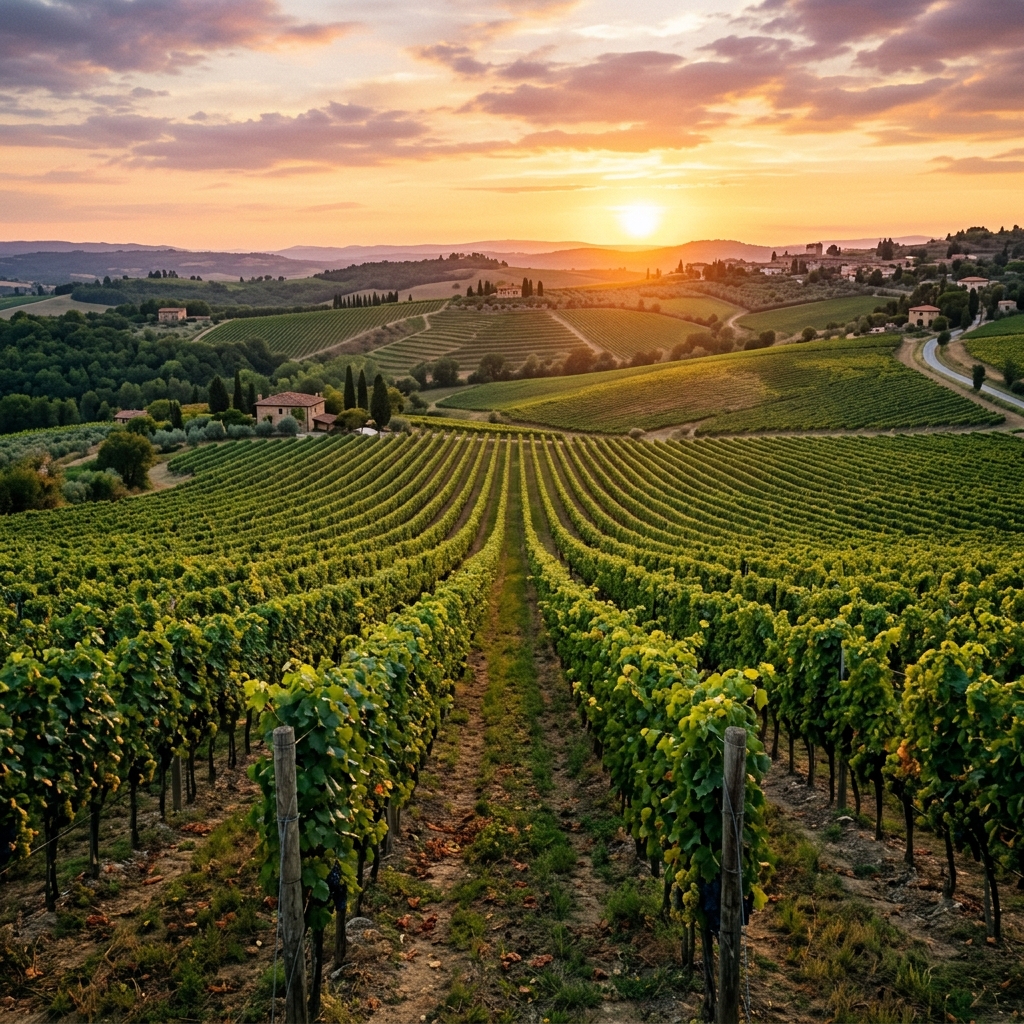
San Juan is Argentina's second-largest wine-producing province, experiencing a dramatic fine-wine renaissance led by the high-altitude limestone slopes of the Pedernal Valley (Valle de Pedernal, 1,400m). Recognized as Argentina's spiritual home for Northern Rhône-style Syrah and chiseled, mineral Malbec, San Juan pairs intense Andean sunshine with cool mountain elegance.
| Country | ✦ Argentina |
|---|---|
| Key Grapes | ✦ syrah ✦ malbec ✦ bonarda ✦ cabernet-franc |
| Second Giant | Argentina's second-largest wine province after Mendoza, with over 45,000 hectares under vine |
| Limestone Crown | Valle de Pedernal (1,300–1,500m) — one of the rarest terroirs in South America with 480-million-year-old marine limestone |
| Syrah Capital | San Juan is internationally recognized as Argentina’s benchmark capital for complex, age-worthy Syrah |
| Zonda Wind | A warm, dry foehn wind originating in the Andes blows through the lower valleys, keeping canopies dry and disease-free |
| Serving Temperature | 16–18 °C in a classic Syrah or Bordeaux glass (serving guide) |
San Juan is Argentina’s dynamic, contrasting, and fiercely rejuvenated viticultural frontier, located directly north of Mendoza. Long overshadowed by its famous southern neighbour, San Juan has executed a breathtaking quality renaissance. The driving epicenter of this transformation is the high-altitude Valle de Pedernal, producing world-class cool-climate Syrah and chiseled limestone Malbec.
Signature Wine Styles of San Juan
The contrast between warm oasis valleys and freezing Precordillera altitudes yields distinctive styles:
Terroir of Pedernal Valley: Limestone, Flint & Altitude
The unique geology of the Pedernal Valley sets it apart from all other wine regions in South America:
Key Valleys and Subregions of San Juan
| Valley / Terroir | Altitude Above Sea Level | Soils & Microclimate | Benchmark Varieties & Profile |
|---|---|---|---|
| Valle de Pedernal | 1,300–1,500m (Precordillera) | Marine limestone, flint, cool mountain air | Chiseled Syrah, mineral Malbec, savory Cabernet Franc |
| Valle de Calingasta | 1,500–1,700m (Extreme Alpine) | Alluvial river gravel, intense UV radiation | Ancient Criolla vines, high-altitude Malbec, Torrontés |
| Valle de Zonda | 750–900m (Intermontane Valley) | Sand and clay, strong Zonda wind influence | Juicy Bonarda, spicy Syrah, generous fruit-forward Malbec |
| Valle de Tulum | 600–700m (Broad Flatland Oasis) | Deep alluvial loam, abundant sun | Accessible, warm, fruit-forward wines for everyday enjoyment |
Sommelier Food Pairing Guide
The spicy, savory, and structured wines of San Juan are the definitive partners for northern Argentine gastronomy:
Chivo a las Brasas (Grilled Goat)
San Juan's signature specialty: tender mountain goat roasted over open embers with herbs and chimichurri is an ethereal match for peppery Syrah.
Meat Pairing Guide →Punta de Espalda a la Parrilla
The iconic San Juan triangular beef cut with its crispy fat cap requires the chalky mineral tannins and mountain freshness of Pedernal Malbec.
Steak Guide →Empanadas Sanjuaninas
Savory meat pastries stuffed with abundant slow-cooked sweet onion and oregano meld in perfect harmony with ripe, fruit-forward Bonarda.
Appetizer Guide →Aged Sardo Cheese & Black Olives
Sharp, aged Argentine Sardo sheep/cow cheese and local Arauco cured black olives highlight the tapenade and cracked pepper nuances of Syrah.
Cheese Guide →Continue exploring Argentina: journey south to the heart of Malbec in Mendoza, experience the extreme altitude of Salta, or test your skills in the Level 2 Wine Academy Exam!
Frequently Asked Questions
What is the revolutionary significance of the Pedernal Valley (Valle de Pedernal)?
For decades, San Juan was associated with the scorching flatlands of the Tulum Valley, primarily dedicated to bulk table wine. The quality revolution began when vanguard producers moved into the isolated Valle de Pedernal, perched at 1,300–1,500 meters altitude against the Precordillera. Here they uncovered an exceptionally rare geology in the Andes: fractured flint stone (pedernal) layered over 480-million-year-old Ordovician marine limestone. Paired with freezing mountain nights, this terroir yields wines of extraordinary mineral tension, chalky tannins, and vertical acidity.
Why is San Juan regarded as Argentina's premier destination for Syrah?
While Mendoza focused predominantly on Malbec, San Juan found its ultimate varietal synergy with Syrah. While warmer lower valleys produce ripe, jammy, and generous wines, high-altitude Pedernal yields Syrah rivaling the Northern Rhône (Hermitage and Côte-Rôtie): cracked black peppercorn, cured bacon, black olive tapenade, violets, wild rosemary, and graphite minerality.
How does Malbec grown on Pedernal limestone differ from Mendoza's Uco Valley?
The high concentration of active calcium carbonate in Pedernal's fractured limestone imparts an unmistakable chalky, tactile grip to Malbec’s tannin structure. Rather than sweet plush black plum, Pedernal Malbec displays savory mountain tension, fresh wild blackberry, dried thyme, crushed rock, and a persistent saline finish.