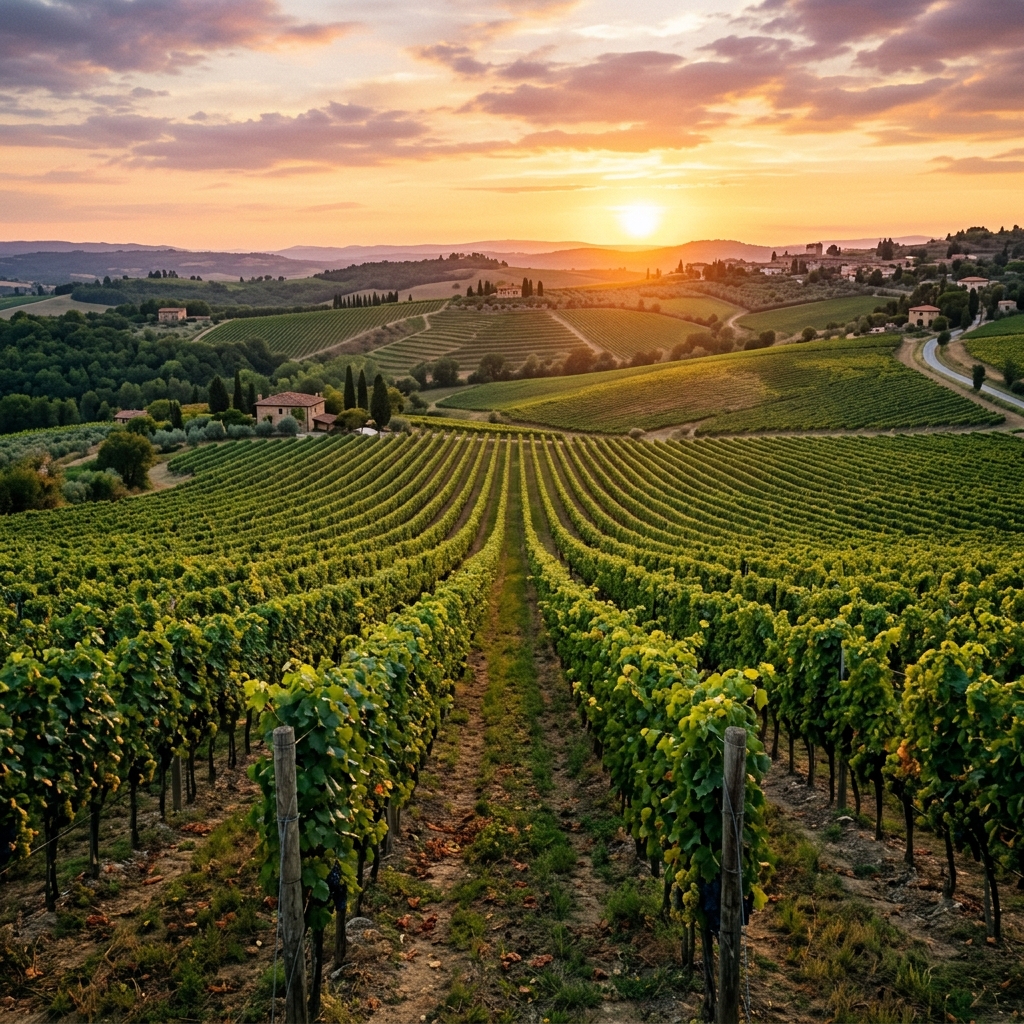
Coquimbo is Chile's northernmost, most extreme, and captivating wine region, nestled between the arid Atacama Desert and the cold Pacific Ocean. Across the Elqui, Limarí, and Choapa valleys, crystal-clear skies, morning Camanchaca coastal fogs, and ancient marine limestone soils yield world-class wines: saline, mineral-driven Chablis-style Chardonnay and peppery, vibrant high-altitude Syrah.
| Country | ✦ Chile |
|---|---|
| Key Grapes | ✦ syrah ✦ chardonnay ✦ sauvignon-blanc ✦ pedro-ximenez |
| Atacama Desert Frontier | Chile's northernmost viticultural outpost with under 100 mm of annual rainfall, irrigated purely by Andean glacial snowmelt |
| Rare Chilean Limestone | Limarí Valley features South America's rarest calcium carbonate-rich soils formed from ancient marine deposits |
| Oceanic Camanchaca Fog | Dense Pacific morning fog sweeps inland 20–30 km daily through transverse valleys, lowering daytime temperatures by 10–15 °C |
| Astronomical Sky Clarity | Elqui Valley enjoys over 300 cloudless nights per year, home to leading international astronomical observatories |
| Serving Temperature | 10–12 °C for mineral Limarí Chardonnay; 16–18 °C for peppery high-altitude Syrah (temperature guide) |
Coquimbo is Chile’s most surreal, dramatic, and cinematic wine region. Located 400–500 kilometers north of Santiago, it flourishes as a vibrant ribbon oasis right at the threshold of the Atacama Desert—the driest place on Earth. Here, the icy breath of the Pacific Ocean collides with sun-baked desert sands and gargantuan 5,000-meter Andean peaks, giving rise to wines etched with unmistakable mineral tension.
Signature Wine Styles of Coquimbo
The rare alchemy of coastal sea fogs and blinding high-altitude sunshine shapes pristine, crystalline wine styles:
Terroir & Soils of Coquimbo: Limarí Limestone, Elqui Altitudes & Camanchaca Fog
The elemental forces of northern Chile unite extreme climatic and geological factors:
Principal Grape Varieties of Coquimbo
| Grape Variety | Vineyard Share | Aroma & Palate Profile | Role in the Region |
|---|---|---|---|
| Syrah | ~35% (Red Flagship) | Black pepper, blackberry, tapenade, graphite, violet, silky structured tannins | Coquimbo’s crown jewel, yielding profound, cool-climate savory elegance |
| Chardonnay | ~28% (White Icon) | Crisp green apple, lemon zest, chalk, sea salt, flint, crystalline texture | Limarí’s limestone Chardonnay is hailed as one of South America’s greatest whites |
| Sauvignon Blanc | ~18% (Maritime Freshness) | Lime, passion fruit, green chili, crushed stone, vibrant saline acidity | Excels in the coastal Limarí Costa and lower Elqui corridors |
| Pedro Ximénez | ~12% (Heritage Treasure) | Meadow flowers, citrus zest, raw almond, saline finish, refreshing light body | Century-old ungrafted vines now producing expressive, gastronomic dry whites |
Sommelier Food Pairing Guide
Coquimbo’s mineral, taut, and savory wines are born partners for cold Pacific seafood and savory grilled meats:
Chilean Seabass Ceviche
Pristine raw white fish cured in lime juice, red onion, and cilantro harmonizes flawlessly with the chalky saline acidity of Limarí Chardonnay.
Fish Pairing Guide →Rosemary Grilled Lamb Chops
Explosive cracked pepper and tapenade notes of high-altitude Elqui Syrah elevate the charred crust and rich fat of flame-grilled Andean lamb.
Steak Pairing Guide →Fresh Tongoy Bay Oysters
Briny, iodine-rich oysters straight from Tongoy Bay meet their match in the mineral tension and lime-leaf brightness of coastal Sauvignon Blanc.
Seafood Guide →Artisanal Queso de Cabra
Coquimbo's traditional artisanal goat cheese is accentuated by the delicate herbal nuances, salted almond, and dry stone notes of heritage Pedro Ximénez.
Cheese Guide →Continue exploring Chilean viticulture: discover the cool ocean slopes of Casablanca Valley, compare classical styles in the celebrated Maipo Valley, or test your skills in the Wine Academy!
Frequently Asked Questions
How do Limarí Valley wines differ from other Chilean regions?
While most Chilean vineyards are planted on volcanic or alluvial soils, Limarí Valley is a geological anomaly. Millions of years ago it lay beneath the sea, leaving behind dense layers of seashells, chalk, and calcium carbonate (limestone). Combined with cooling Camanchaca fogs, this yields Chardonnay of piercing mineral focus, showing crushed chalk, flint, and sea salt reminiscent of top Chablis crus.
Why is Elqui Valley Syrah described as a 'Rhône wonder'?
Elqui Valley scales Andean slopes up to dizzying altitudes of 2,000–2,200 meters. Crisp, thin mountain air and intense ultraviolet light create massive diurnal temperature swings. Syrah here is completely unlike jammy warm-climate versions: it is lean, taut, and explosively peppery, bursting with black and white pepper, lavender, wild blackberry, graphite, and tapenade.
What is the historic role of Pedro Ximénez in Coquimbo?
Historically, Pedro Ximénez and Moscatel were grown across Elqui and Limarí to distill Chile's national spirit, Pisco. In recent years, avant-garde winemakers have reclaimed these century-old ungrafted bush vines to craft remarkable dry white wines: crisp, mineral-laden, and perfumed with meadow blossoms, lemon zest, and ocean salinity.
Related Guides
- Casablanca Valley RegionCompare Casablanca's cool maritime climate with Coquimbo's desert-ocean terroir
- Maipo Valley RegionContrast bold Central Valley Cabernet Sauvignon with northern mineral precision
- Chardonnay Grape GuideDiscover why Limarí's limestone Chardonnay has become a South American icon
- Wine Academy Quiz (Level 2)Test your knowledge on Chile's Costa, Entre Cordilleras, and Andes classifications