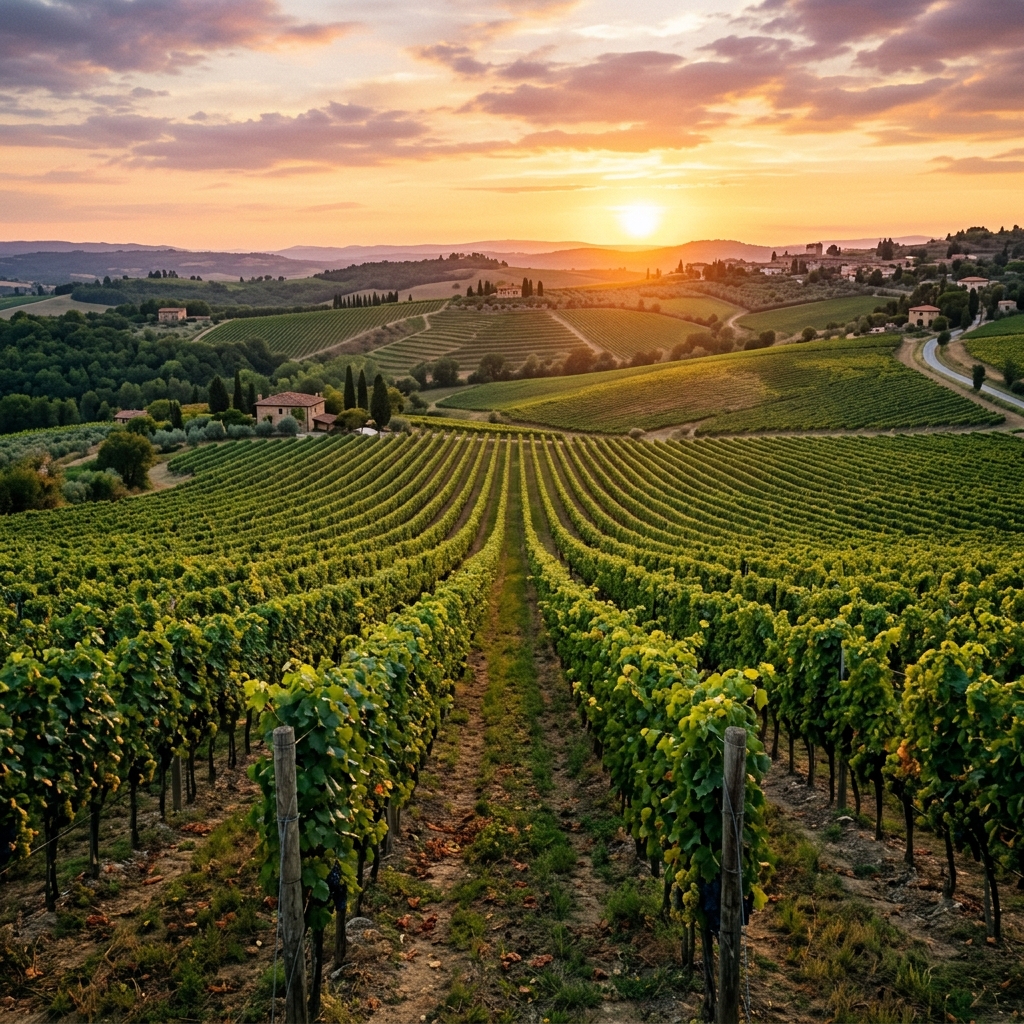
Oloroso (Spanish for 'fragrant' or 'scented') is a deeply flavorful, fortified Andalusian wine from the Jerez Triangle. Unlike Fino, which matures under a living yeast veil (flor), Oloroso is fortified to 17–18% ABV from the start to prevent flor development, undergoing years or decades of deliberate oxidative barrel aging in the traditional criadera and solera system. It displays a dark mahogany hue, dry or off-dry palate, and luxurious aromas of roasted walnuts, toffee, dried figs, and warm leather.
Taste Profile & Sensory Structure
Rating on 1–5 scaleKey Aromas & Flavor Descriptors
| Wine Style | White Wine |
|---|---|
| Origin / Homeland | Jerez de la Frontera, Andalusia, Spain |
| Other Names | Oloroso, Jerez Oloroso, Sherry Oloroso, Oxidative Jerez |
| Alcohol by Volume | 17–22% ABV (fortified to 17% initially to suppress flor yeast) |
| Primary Grape | Palomino Fino (grown on brilliant white Albariza chalk soils) |
| Aging Method | Pure oxidative maturation in American oak butts via dynamic Solera & Criaderas system |
| Serving Temperature | 12–14 °C (54–57 °F) — allows rich nutty volatiles and aromas to blossom |
Oloroso (meaning “fragrant” in Spanish) represents the triumphant pinnacle of oxidative winemaking in Andalusia’s historic Sherry Triangle. Maturing over decades in the venerable Solera system in direct communion with ambient oxygen, Oloroso transforms Palomino Fino grapes into a dark mahogany nectar vibrating with roasted walnut, toffee, dried figs, and warm leather.
Explore Oloroso Sherry in Depth
Uncover the complexities of Jerez's oxidative masterpiece through our four sommelier-curated Academy guides: sensory profile, Albariza chalk terroirs, tapas pairings, and Solera aging classifications.
Frequently Asked Questions
What makes Oloroso different from Fino and Amontillado?
The key differentiator is how oxygen interacts with the wine. Fino ages entirely biological under a protective veil of yeast called flor, remaining pale, bone dry, and almond-fresh without oxygen contact. Amontillado starts under flor and then transitions to oxidative aging after the flor dies. Oloroso undergoes no biological aging whatsoever: it is fortified immediately to 17% ABV (killing flor spores) and ages 100% oxidatively from day one, developing deep mahogany color, rich glycerol weight, and intense roasted nut complexity.
Is Oloroso naturally dry or sweet?
Authentic Oloroso is fundamentally bone dry. Because it is made from Palomino Fino grapes fermented to complete dryness before fortification, natural Oloroso contains virtually zero residual sugar (<5 g/l), although its high alcohol and glycerol give a luscious, round sensation on the palate. Commercial versions labeled as 'Rich Oloroso' or 'Cream Sherry' have had concentrated sweet Pedro Ximénez (PX) blended into them before bottling.
How long does an opened bottle of Oloroso stay good?
Because Oloroso spent decades interacting with oxygen inside porous American oak casks, it is remarkably resilient. An opened bottle will comfortably keep its expressive aroma and flavor profile for 2 to 3 months in a cool, dark cabinet or refrigerator, making it one of the most forgiving and enduring wines in any home cellar.
Related Guides
- How to Recognize Oloroso Sherry in the GlassMahogany color, walnut aromas, glycerol texture, and sensory hallmarks
- Where Oloroso Sherry GrowsThe Jerez Triangle (Jerez, El Puerto, Sanlúcar) and Albariza chalk
- Food Pairing with Oloroso SherryRabo de toro, jamón de bellota, aged cheeses, and game meats
- What to Buy (Oloroso Sherry)Dry Oloroso, VOS (20+ yrs), VORS (30+ yrs), and storied bodegas
- Andalusia RegionExplore the sun-drenched home of Sherry, flamenco, and white chalk soils
Last updated: September 20, 2026