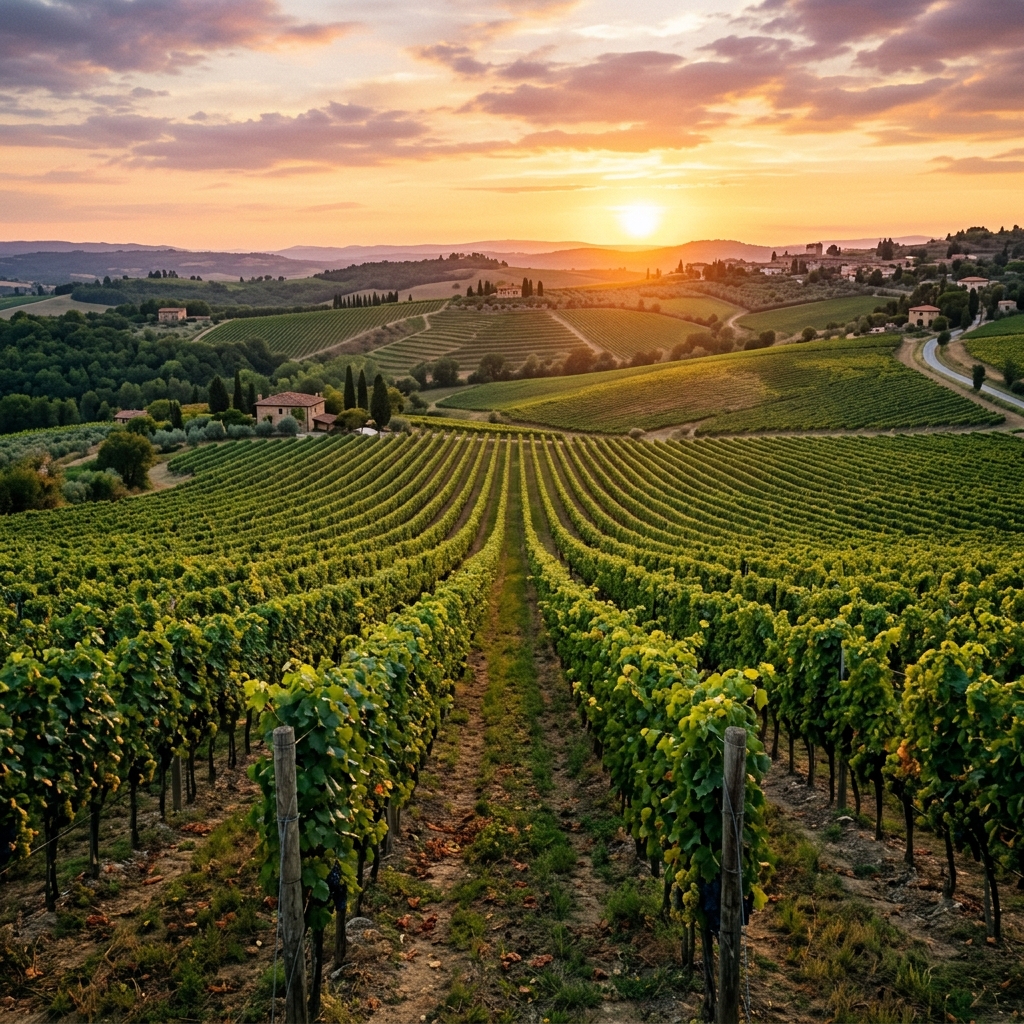
Stellenbosch is the historic capital of South African fine wine, situated 50 kilometers east of Cape Town against dramatic mountain backdrops. Rooted in some of the oldest decomposed granite soils on Earth (600+ million years) and cooled by False Bay breezes ('The Cape Doctor'), Stellenbosch crafts benchmark wines: aristocratic Cabernet Sauvignon, signature Cape Blends, textured Old Vine Chenin Blanc, and modern, refined Pinotage.
| Country | ✦ South Africa |
|---|---|
| Key Grapes | ✦ Cabernet Sauvignon ✦ Pinotage ✦ Chenin Blanc ✦ Syrah |
| Flagship Grapes | Cabernet Sauvignon, Pinotage, Chenin Blanc |
| Geological Age | Decomposed granite and Tukulu/Hutton clays dating back 600+ million years |
| Key Maritime Wind | The 'Cape Doctor' — fierce southeasterly wind cleansing vineyards of moisture |
| Old Vine Heritage | Member of the Old Vine Project (heritage Chenin Blanc certified 35+ years) |
| Ideal Glassware | Broad Bordeaux glass for Cabernet and Pinotage (Glass Guide) |
Stellenbosch is a breathtaking viticultural panorama where towering, jagged Cape fold mountains meet rolling, vine-carpeted foothills just minutes from the Atlantic and Indian Oceans. With Dutch Cape colonial architecture dating back to 1679, Stellenbosch unites European aristocratic tradition with boundless African terroir dynamism.
The Four Signature Wine Styles of Stellenbosch
Simonsberg Cabernet
Aristocratic and commanding. Blackcurrant cassis, cedar wood, crushed graphite, wild fynbos herbs, and fine, muscular structure built for decades of aging.
Cabernet Profile →Modern Pinotage
Polished and soulful. Ripe mulberry, wild black cherries, rooibos tea leaves, dark cocoa, sweet baking spice, and supple, velvety tannins.
Braai Pairing →Old Vine Chenin
Lush, layered, and mineral. Bruised yellow apple, white peach, wild honeycomb, toasted macadamia nuts, and a long, saline, crystalline finish.
Serving 10-12°C →Coastal Sauvignon
Vibrant ocean clarity. Crisp green apple, lemongrass, sea spray salinity, lime pith, and mouth-watering freshness from coastal maritime breezes.
All Regions →Terroir & Soils of Stellenbosch: Ancient Granites, Simonsberg & Cape Doctor
The Cape Engine: Ancient Granite, Mountain Shadows & Ocean Winds
Weathered soils naturally regulate vine vigor, providing rich micronutrients and superior natural water retention through the rainless summer months.
A brisk oceanic wind cleanses the air of maritime humidity, lowers canopy temperatures, and shields vines naturally from rot and mold.
Surrounding vineyards are wild fynbos shrublands (wild rosemary, rooibos, eucalyptus), infusing local wines with an unmistakable herbal-balsamic stamp.
Key Wards of Stellenbosch
| Grape Variety / Ward | Altitude | Soil Type | Style & Signature Wine |
|---|---|---|---|
| Simonsberg-Stellenbosch | 200–500 m | Decomposed granite & clay | The crown jewel of South African Cabernet Sauvignon; intense, mineral, long-lived. |
| Helderberg | 50–350 m | Deep clay loam facing False Bay | Powerful coastal red blends and cool-climate Sauvignon Blanc cooled by ocean breezes. |
| Stellenbosch Kloof | 100–350 m | High clay content | Opulent, rounded Cape Blends, rich Syrah, and succulent Pinotage. |
| Polkadraai Hills | 120–380 m | Granite hills, south-facing | Electric, aromatic Chenin Blanc and perfumed, savory Syrah crafted by the new-wave vanguard. |
Sommelier Food & Wine Pairings
The assertive character and rich concentration of Stellenbosch wines match seamlessly with South African wood-fired braai culture, wild game, and aromatic coastal seafood:
Braai BBQ & Venison Steaks
Smoky rooibos notes, roasted mocha, and luscious black plum of Stellenbosch Pinotage match open wood coals and ostrich or venison tenderloin.
Meat Pairings →Cape Blend & Roasted Lamb
Cabernet's architectural spine combined with Pinotage fruit cut through succulent slow-roasted Karoo lamb rubbed with rosemary and garlic.
Lamb Guide →Langoustines & Cape Malay Curry
Unctuous quince, beeswax, and natural acidity of Old Vine Chenin Blanc tame fragrant turmeric and coriander in Cape Malay seafood curries.
Seafood Guide →Artisanal Cheese & Biltong
Ocean-cooled Sauvignon Blanc or rich Simonsberg Cabernet creates a harmonious match with sharp Boerenkaas and savory spiced beef biltong.
Cheese Guide →Continue exploring benchmark southern hemisphere terroirs: taste ocean-cooled Sauvignon Blanc in New Zealand's Marlborough, discover high-altitude Malbec in Argentina's Mendoza, or compare Stellenbosch Pinotage with ancient bush-vine Shiraz in Barossa Valley!
Frequently Asked Questions
What is Pinotage and how is it made in modern Stellenbosch?
Pinotage was bred in 1925 at Stellenbosch University by Professor Abraham Perold by crossing Pinot Noir with Cinsault (then called Hermitage). While early versions were often rustic and commercial, modern Stellenbosch winemakers treat it like noble Burgundy or Rhone fruit: gentle cold maceration and French oak aging produce magnificent wines bursting with black plum, wild rooibos tea, dried cranberry, dark chocolate, and silky, polished tannins.
Why are the soils of Stellenbosch considered unique globally?
Stellenbosch vineyards sit atop intensely weathered, 600-million-year-old decomposed granite (known locally as Oakleaf and Tukulu soils) and Table Mountain sandstone. These deep red clay-loam matrices hold exceptional moisture reserves through hot summers, imparting remarkable mineral tension and savory finesse to Cabernet Sauvignon.
What is a traditional Cape Blend?
A Cape Blend is an authentic South African red blend requiring a mandatory proportion (typically 30% to 70%) of Pinotage, harmoniously blended with Bordeaux varieties (Cabernet Sauvignon, Merlot, Cabernet Franc) or Syrah, bridging European classical structure with vibrant African fruit soul.