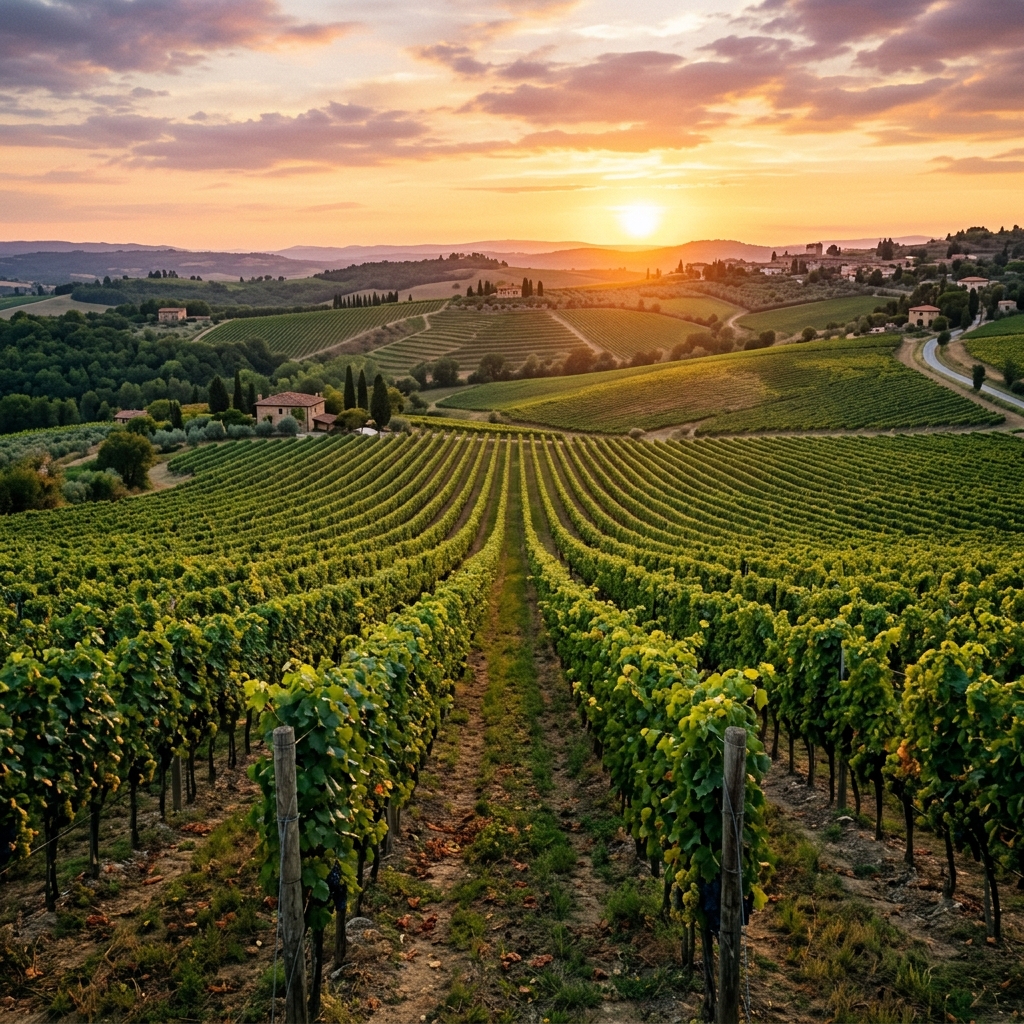
Barossa Valley in South Australia is the global bastion of monumental Shiraz and home to the planet's oldest continuously producing ungrafted vineyards dating back to the 1840s, untouched by phylloxera. Here iconic collector wines like Penfolds Grange and Henschke Hill of Grace are born, alongside spicy GSM blends from ancient bush vines and laser-sharp mineral Riesling from the cool heights of Eden Valley.
| Country | ✦ Australia |
|---|---|
| Key Grapes | ✦ Shiraz (Syrah) ✦ Grenache ✦ Mataro (Mourvèdre) ✦ Riesling ✦ Cabernet Sauvignon |
| Country & State | ✦ South Australia (Barossa Zone: Barossa Valley & Eden Valley) |
| Key Grape Varieties | Shiraz, Grenache, Mataro (Mourvèdre), Riesling, Cabernet Sauvignon |
| Unique Heritage | Oldest continuously producing ungrafted European vines on Earth (planted 1843+) |
| Iconic Benchmark Wines | Penfolds Grange (created by Max Schubert in 1951) & Henschke Hill of Grace (vines planted 1860) |
| Climatic Duo | Warm Mediterranean valley floor (200m) + windswept cool Eden Valley plateau (up to 500m) |
| Signature Aroma Profile | Blackberry jam, dark chocolate, eucalyptus, wild mint, black pepper, mocha, and toasted American oak |
| Ideal Glassware | Generous Shiraz/Syrah glass with tapered rim (Glass Guide) |
The Barossa Valley is the historic beating heart and undisputed benchmark of Australian fine wine, situated just an hour’s drive northeast of Adelaide. Settled in the 1840s by German Silesian and English immigrants, Barossa safeguarded an extraordinary living treasury of pre-phylloxera European vines that yield wines of astonishing concentration, velvety power, and remarkable longevity.
The Four Signature Wine Styles of Barossa
Barossa Shiraz
Monumental presence: ripe blackberry liqueur, dark Belgian chocolate, mocha, eucalyptus, black pepper, vanilla oak, and plush, seamless tannins (15%+ ABV).
Shiraz Profile →GSM Blends
Aromatic harmony: sweet wild raspberry from century-old bush-vine Grenache, dark spice from Shiraz, and gamey, savory leather from Mataro with a long, silky finish.
Grenache Guide →Eden Valley Riesling
Steel and citrus purity: fresh Tahitian lime, lemon blossom, crushed quartz, vibrating acidity, and aristocratic kerosene-wax complexities with cellar age.
Riesling Guide →Barossa Tawny
Historic fortified masterworks: dried Turkish figs, roasted hazelnuts, dark toffee, rancio wood, chocolate ganache, and endless warming persistence.
Academy Fortified →Key Subregions of the Barossa Zone
| Grape Variety / Subregion | Elevation & Climate | Soils | Signature Styles & Flagship Producers |
|---|---|---|---|
| Northern Barossa (Ebenezer & Kalimna) | 230–280 m, very warm & dry | Red clay over limestone, sandy loam | Most powerful, ink-black Shiraz (Penfolds Block 42, Torbreck RunRig). |
| Central Barossa (Tanunda & Marananga) | 200–250 m, Mediterranean | Alluvial loam, ironstone terra rossa | Velvety Shiraz, plush Grenache and benchmark GSM (Peter Lehmann, Yalumba). |
| Eden Valley (GI) | 380–500 m, cool continental | Skeletal gravel, schist, quartzite | Laser-sharp lime Riesling (Pewsey Vale) and iconic single-vineyard Shiraz (Hill of Grace). |
| High Eden | 450–550 m, cold nights | Thin rocky soils on bedrock | Crisp sparkling base wines, linear Chardonnay, and cool-climate Pinot Noir. |
Sommelier Food & Wine Pairings
The unmatched concentration, velvety sweet tannins, and warming alcohol of Barossa wines demand serious culinary architecture:
Prime Black Angus Ribeye
Colossal ripe tannins, dark chocolate notes, and eucalyptus lift effortlessly slice through rich marbled fat on open flame.
Steak Pairings →Braised Short Ribs & Lamb
Spicy GSM blend with dried raspberry, cracked black pepper, and rosemary complements long-simmered rich meats in demi-glace.
Meat Pairings →Oysters & Pan-Seared Scallops
Piercing lime acidity, crushed quartz minerals, and vibrating energy from Eden Valley Riesling elevate delicate shellfish.
Seafood Guide →Aged Cheddar & Roasted Pecans
Turkish figs, roasted hazelnuts, and warming rancio depth of 20-year Barossa Tawny create an unmatched digestive finale.
Cheese & Wine →Continue exploring benchmark New World terroirs: taste ocean-cooled Sauvignon Blanc in New Zealand's Marlborough, discover high-altitude Malbec in Argentina's Mendoza, or compare Barossa Shiraz with iconic Napa Cabernet in California!
Frequently Asked Questions
Why did Barossa preserve the oldest Shiraz and Grenache vines on the planet?
When phylloxera decimated the vineyards of Europe in the late 19th century, South Australia enacted strict biosecurity quarantines and benefited from natural sandy soil barriers. As a result, phylloxera never entered the Barossa Zone. Vines thrive on their original European rootstocks (*Vitis vinifera*). To safeguard this legacy, the region established the official Barossa Old Vine Charter: Old Vine (35+ years), Survivor Vine (70+ years), Centenarian Vine (100+ years), and Ancestor Vine (125+ years).
What defines the classic Australian GSM blend?
GSM (Grenache + Shiraz + Mataro/Mourvèdre) is Barossa's signature blend, inspired by the Southern Rhône (Châteauneuf-du-Pape). Ancient Grenache bush vines deliver plush raspberry compote and silky texture; Shiraz provides dense black fruit and cracked black pepper; while Mataro (Mourvèdre) contributes deep color, earthy backbone, game, and firm age-worthy tannins.
What is the stylistic difference between Barossa Valley and Eden Valley?
Barossa Valley is a warm, sun-drenched valley floor at 200–250 m elevation, renowned for full-throttle, velvety Shiraz (14.5–15.5% ABV) and opulent Grenache.
Eden Valley is an exposed, high-altitude plateau (400–500 m) with chilly nights. It produces scintillating, bone-dry Rieslings with lime juice, talc, and flinty minerality, as well as fragrant, spicy, medium-bodied cool-climate Shiraz (e.g., Hill of Grace).