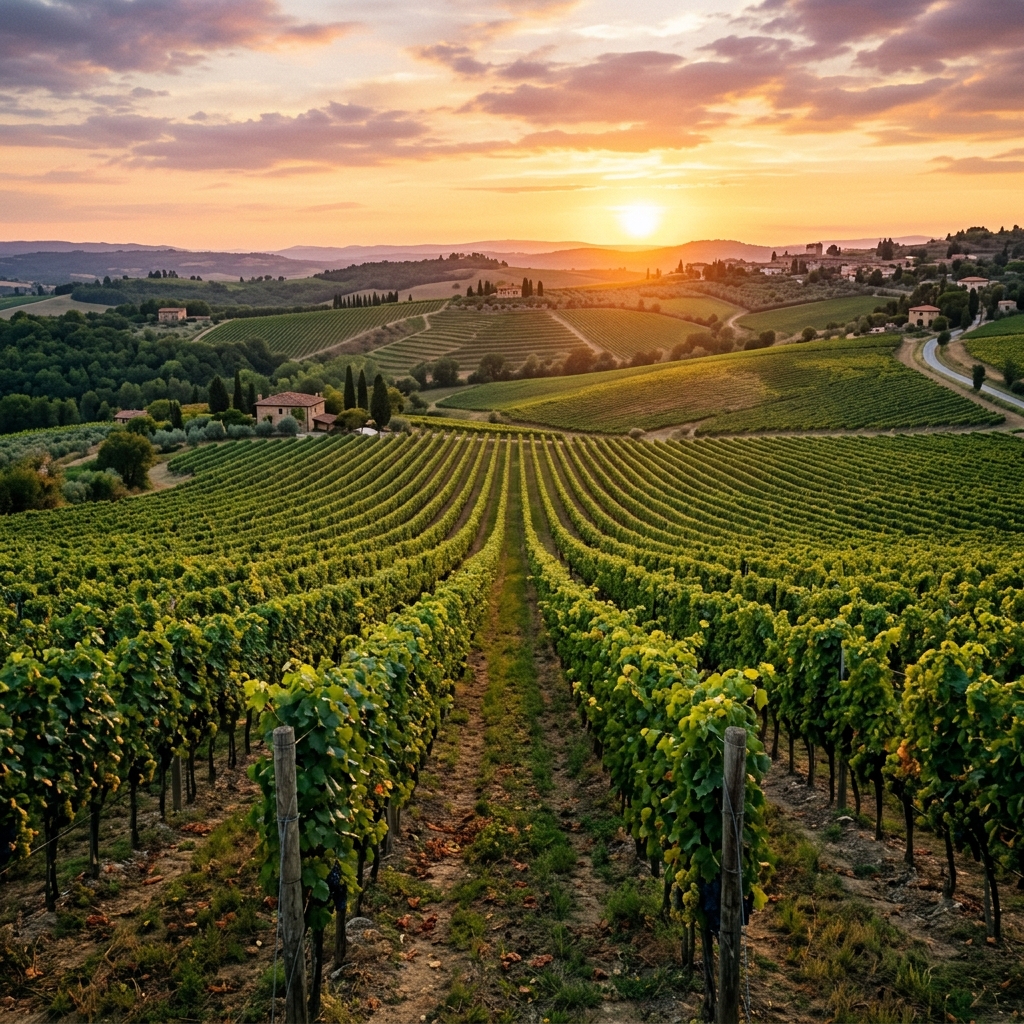
Oceania is renowned for technological innovation, led by the University of Adelaide's Waite Research Institute in Australia and Lincoln University in New Zealand.
| Key Credentials | University of Adelaide (Waite Campus, Australia), Australian Wine Research Institute (AWRI), Lincoln University Department of Wine, Food & Molecular Biosciences (NZ) |
|---|---|
| Australian Research Titan | University of Adelaide / AWRI |
| New Zealand Center | Lincoln University (Canterbury, NZ) |
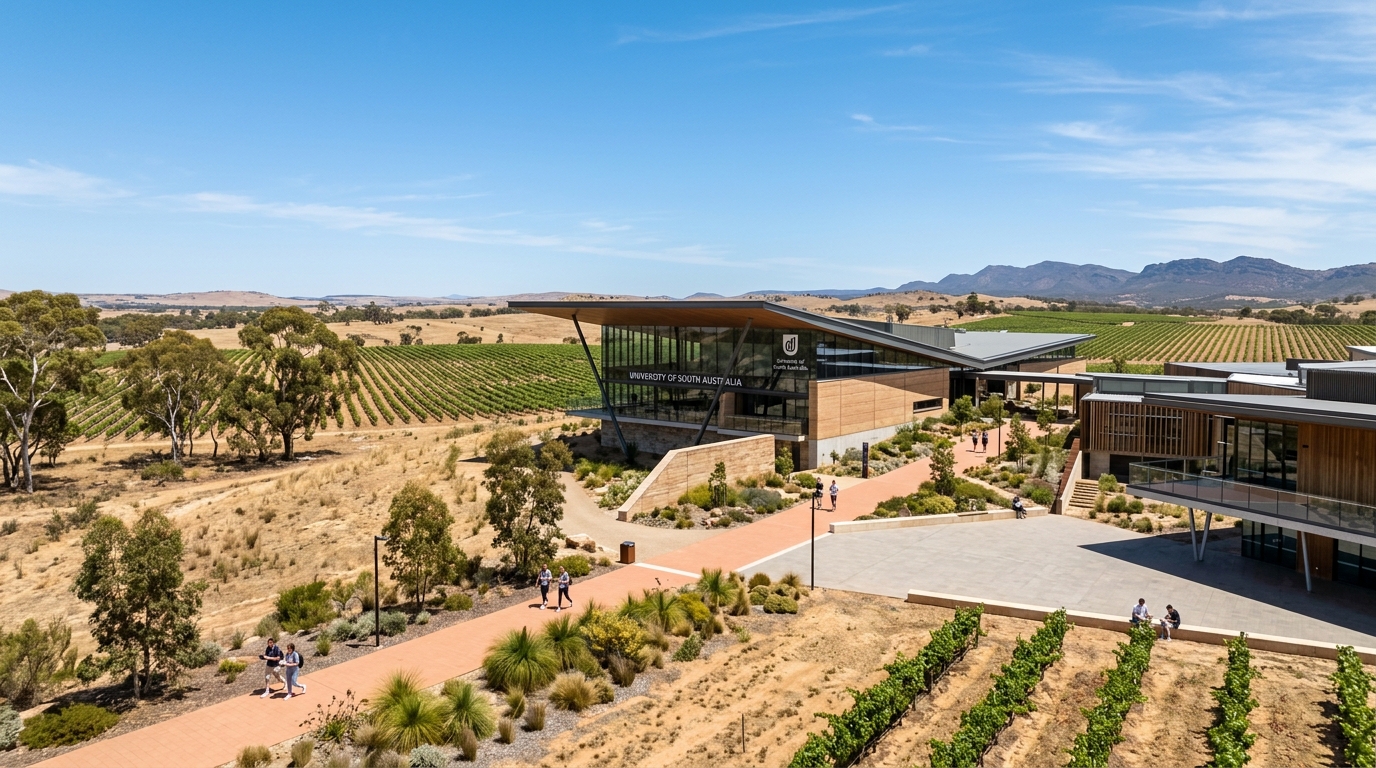
Australia and New Zealand pioneered a revolutionary approach to winemaking based on relentless technical precision, early adoption of screw-cap closures, and precise adaptation of grape clones to diverse microclimates.
The History of Wine Science in the Southern Hemisphere
Wine science across Australia and New Zealand was forged by intrepid pioneers who transported European cuttings across the globe, followed by research bodies that dared to reinvent viticultural conventions.
1. Busby's Collection & 170-Year Ungrafted Vines
In 1832, James Busby brought hundreds of noble European cuttings to Oceania. Strict biosecurity prevented phylloxera from reaching South Australia, leaving Barossa with the world's oldest continuous Shiraz and Grenache vines.
2. Max Schubert, Grange & Temperature Control
In the 1950s, Max Schubert and the AWRI revolutionized cellar temperature control, proving that meticulous stainless-steel chilling and nocturnal machine harvesting could yield globally revered luxury reds.
3. Marlborough's Thiol Science & Stelvin Compact
Lincoln University unraveled the volatile thiol compounds of cool-climate Sauvignon Blanc, while Oceanic winemakers jointly championed screwcap Stelvin closures, permanently eliminating cork taint.
Leading Wine Universities of Australia & New Zealand
University of Adelaide / Waite Campus

Specialization: Warm-Climate Viticulture, Must Biochemistry, and Shiraz Tannin Chemistry.
Distinction: The Waite Campus is the largest agricultural research precinct in the Southern Hemisphere. Partnered with the Australian Wine Research Institute (AWRI), it leads international research into drought resistance, smoke taint remediation, and mechanical canopy management.
Lincoln University (Canterbury, New Zealand)
Specialization: Cool-Climate Viticulture, Pinot Noir Phenolics, and Sauvignon Blanc Thiol Aromatics.
Distinction: The primary academic engine behind New Zealand’s modern wine miracle. Students conduct field trials on the university’s own commercial vineyards, analyzing the volatile thiols responsible for Marlborough's world-famous passionfruit intensity.
Innovation and Standards in Oceania
The southern hemisphere wine community is distinguished by its freedom from dogma and rapid adoption of data-driven solutions.
The Stelvin Screw-Cap Seal
Oceanic producers pioneered the global standard for screwcap seals, completely preventing TCA contamination and proving superior retention of delicate citrus and floral terpenes during extended aging.
Rotundone & Thiol Biochemistry
Isolating the rotundone sesquiterpene in Shiraz and volatile 3MH thiols in Sauvignon Blanc placed sensory wine quality on an empirical, measurable molecular scientific footing.
Nocturnal Mechanical Harvesting
Harvesting fruit between 2:00 AM and 6:00 AM under cool night skies inhibits oxidation and enzymatic browning, ensuring crisp natural acidity and aromatic freshness.
Related Guides
- Brand Ambassador: Winery Storyteller & Global Market RepresentativeGlobal winery representative: trade education, high-profile tastings, and export brand positioning.
- Wine Buyer: Portfolio Director & Import StrategistCommercial portfolio architect: supplier negotiation, volume forecasting, and import logistics.
- Caviste: Fine Wine Merchant & Boutique Cellar CuratorWine retail and merchant specialist: collector consulting, portfolio curation, and domaine allocations.