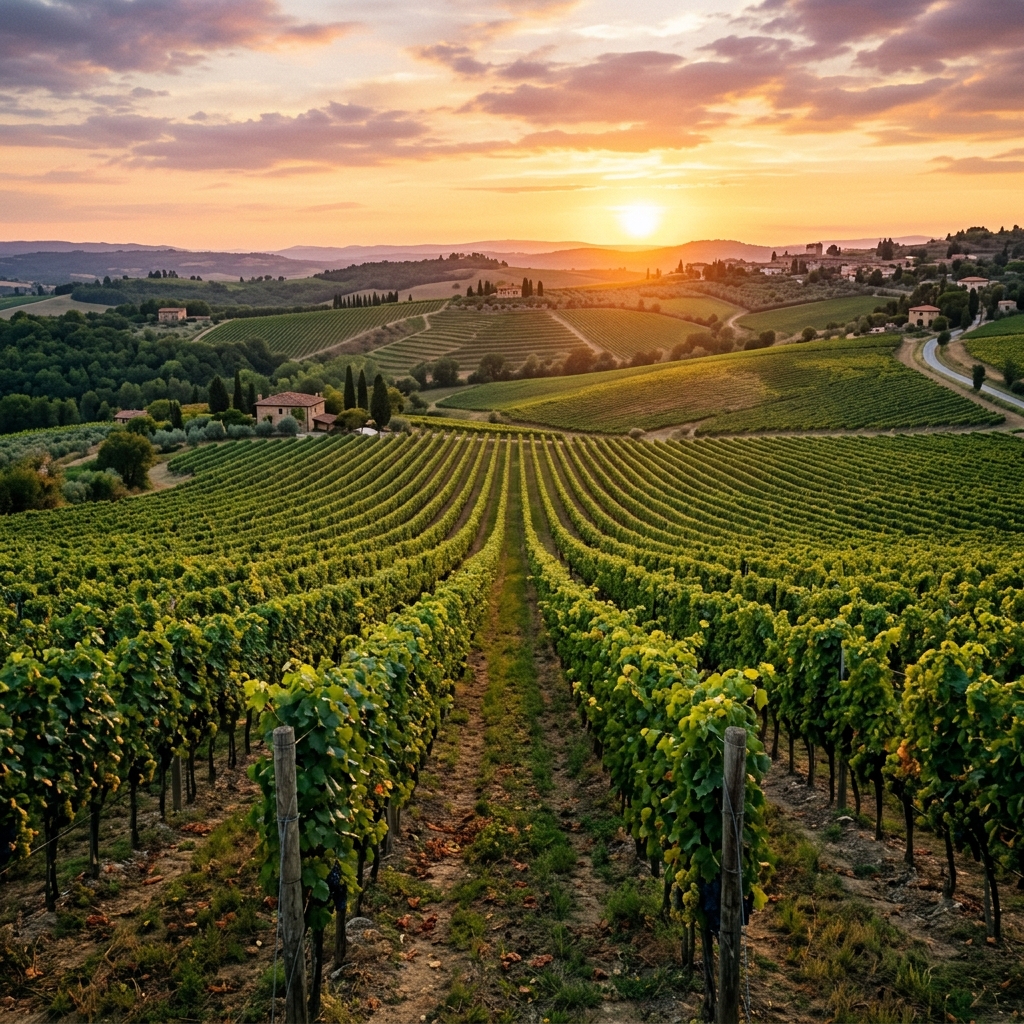
Cava is Spain's iconic sparkling wine crafted via the traditional Champagne method (Método Tradicional), undergoing secondary fermentation and lees aging directly in the bottle. Centered in Catalonia's Penedès, it blends native grapes Macabeo, Xarel-lo, and Parellada to deliver refreshing citrus, green apple, roasted almond, and toasted brioche at extraordinary value.
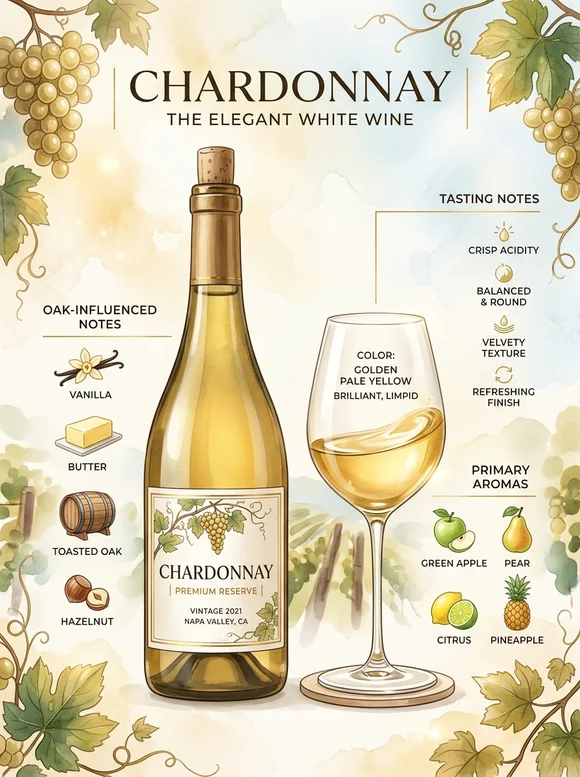
Taste Profile & Sensory Structure
Rating on 1–5 scaleKey Aromas & Flavor Descriptors
| Wine Style | Sparkling Wine |
|---|---|
| Origin / Homeland | Penedès, Catalonia, Spain |
| Other Names | Cava, Método Tradicional, Macabeo, Xarel-lo, Parellada |
| Production Method | Traditional Method (Método Tradicional) — identical bottle fermentation to Champagne |
| Core Grape Trio | Macabeo (fresh fruit), Xarel-lo (structure & aging acidity), Parellada (floral elegance) |
| Aging Classifications | Cava de Guarda (9+ months), Reserva (18+ months), Gran Reserva (30+ months), Paraje Calificado (36+ months single vineyard) |
| Serving Temperature | 6–8 °C (43–46 °F) — keeps the mousse energetic and bead persistent |
Cava is Spain’s joyful gift to lovers of fine sparkling wine. Combining centuries-old artisanal bottle fermentation with sunny Mediterranean terroir, it delivers fine, persistent streams of effervescent bubbles carrying aromas of crisp green apple, roasted almonds, and toasted artisan bread.
Explore Cava in Depth
Master Spain's sparkling benchmark through our four comprehensive Academy guides: sensory anatomy, Penedès limestone terroirs, tapas pairings, and bottle classifications.
Frequently Asked Questions
Is Cava just cheap Champagne?
Absolutely not. Cava uses the exact same rigorous method as Champagne (secondary fermentation and extended yeast autolysis in the individual bottle). What makes Cava unique are Spain's sun-drenched Catalan climate and indigenous grapes: Xarel-lo provides herbal depth and antioxidant longevity, Macabeo brings orchard apples, and Parellada adds aromatic finesse. It offers Champagne-level craftsmanship at an unbeatable price.
How does Cava differ from Prosecco?
The difference lies entirely in production method. Cava is bottle-fermented and aged on dead yeast cells (lees) for a minimum of 9 to 36+ months, creating complex bready, nutty, and brioche notes with tiny, persistent bubbles. Prosecco is fermented in large pressurized steel tanks (Charmat method), retaining fresh, simple peach-pear fruitiness with frothier bubbles.
What does 'Cava de Guarda Superior' mean on modern bottles?
In 2020, the Cava regulatory council introduced Cava de Guarda Superior to highlight top-tier artisan sparkling wines. It encompasses Reserva (18+ months), Gran Reserva (30+ months), and Paraje Calificado. Crucially, all Guarda Superior wines must be 100% organic, hand-harvested from certified plots with strictly limited yields.
Related Guides
- How to Recognize Cava in the GlassAutolytic brioche, green apple snap, fine perlage, and tasting keys
- Where Cava GrowsPenedès, San Sadurní d'Anoia, and regional Spanish DO zones
- Food Pairing with CavaJamón Ibérico, fried tapas, gambas, and seafood paella
- What to Buy (Cava)Brut Nature, Reserva, Gran Reserva, and top grower houses
- CataloniaThe Mediterranean cradle of Penedès, Priorat, and sparkling Cava
Last updated: September 20, 2026